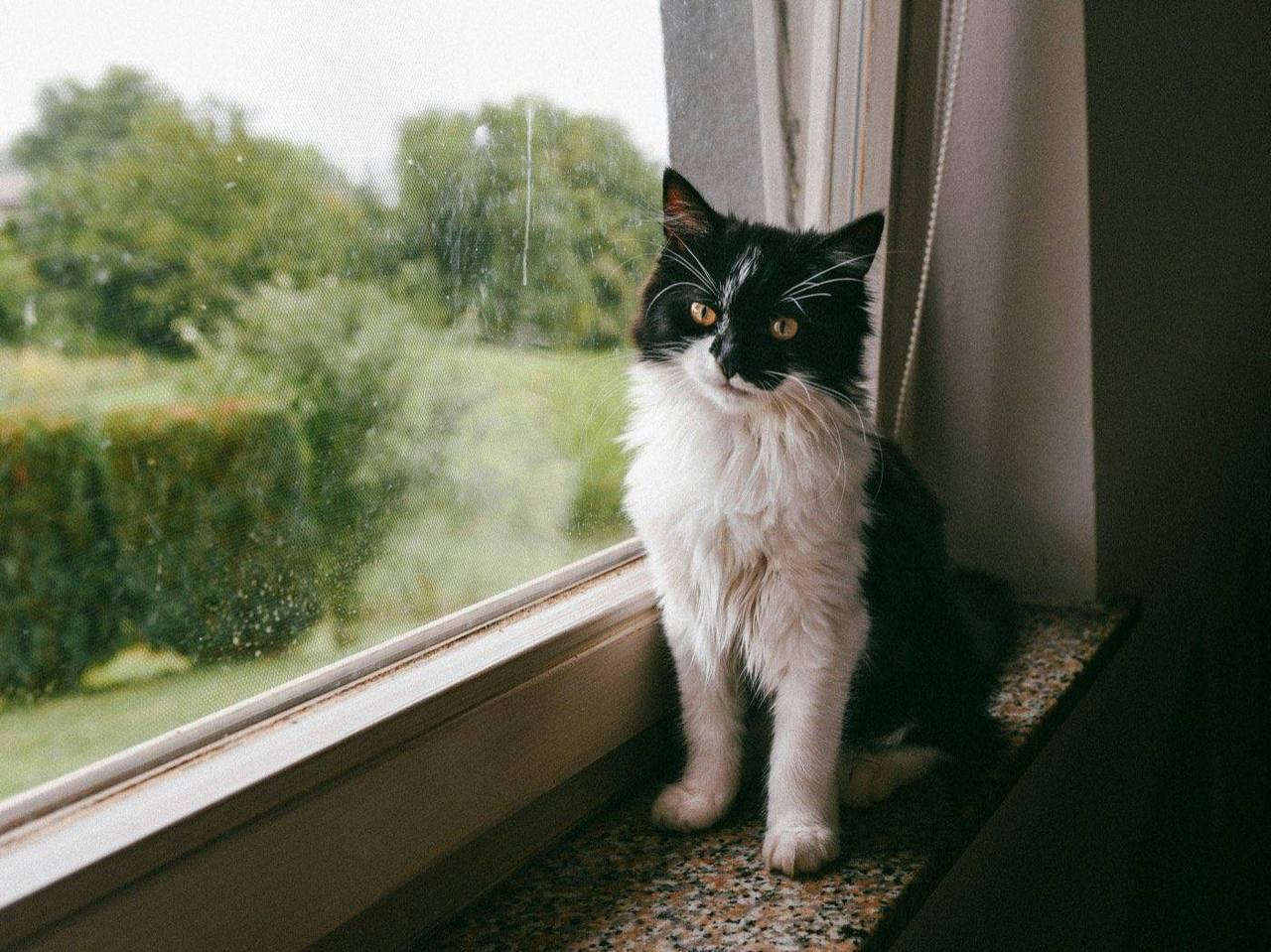
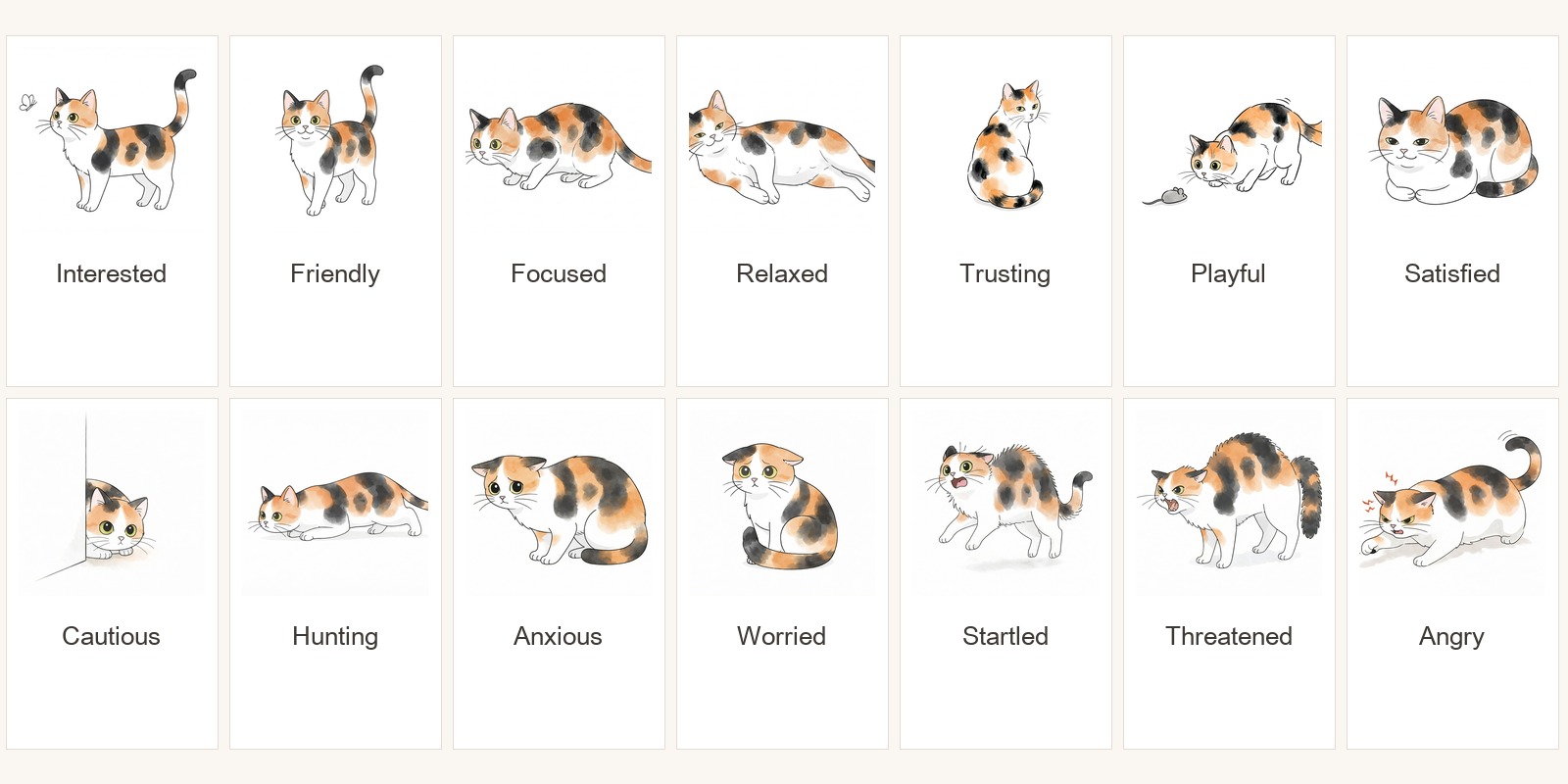
Plug-in air fresheners are one of the most common household items pet owners ask us about — and the answer is more concerning than many people expect. These devices heat a scented oil to release fragrance into the air continuously, and that convenience comes with two distinct risks for cats: the vapors can irritate a cat’s uniquely sensitive airways, and the concentrated oil inside the unit is toxic if a cat knocks it over and licks it.
If you have ever wondered whether the warm-vanilla or pine-scented plug-in on your wall is safe for the cat that sleeps on the same room’s sofa, this guide walks through what veterinarians and poison control authorities say, which symptoms to watch for, and what to use instead. The short version: plug-ins are not reliably safe around cats, and the oil refill is a genuine poisoning hazard.
If your cat has already been exposed — knocked over a plug-in, licked the oil, or is coughing or wheezing near a fragrance unit — call a veterinarian or a poison hotline now. In the U.S., the ASPCA Animal Poison Control Center (888-426-4435) and Pet Poison Helpline (855-764-7661) are staffed 24/7. You can also look up the full toxicity profile in our Plug-In Air Fresheners toxin entry.
Why Cats Are Especially Vulnerable to Fragrances
To understand why plug-ins are a concern, it helps to know three things about how a cat’s body differs from ours.
1. Cats have highly sensitive airways
A cat’s respiratory tract is finely tuned and easily irritated. Feline asthma and chronic bronchitis are common in cats, and inhaled irritants — including strong fragrances, smoke, and aerosol sprays — are recognized triggers. A plug-in that fills a room with scent is, by design, putting volatile compounds into the exact air a cat breathes every few seconds. What smells “lightly floral” to a person can be an overwhelming irritant to a cat’s airway mucosa.
2. Cats cannot metabolize many fragrance compounds
This is the part that surprises most owners. Cats are missing a key liver enzyme (glucuronosyltransferase, or UGT) that humans and dogs use to break down many plant-derived compounds — including the phenols and terpenes found in essential oils and some fragrance ingredients. Without this enzyme, those compounds build up in a cat’s body and can damage the liver and nervous system. This is the same reason essential oils are severely toxic to cats.
3. Cats groom constantly, so anything on their fur ends up in their mouth
Plug-in vapors settle as a faint oily film on surfaces, including a cat’s coat. When a cat grooms — which it does for hours each day — it licks that residue off and swallows it. This means a cat does not need to directly lick the plug-in unit to ingest fragrance compounds; ongoing exposure to the vapors is enough to create low-level ingestion.
Two Distinct Dangers: Vapors and Direct Contact
It is worth separating the two ways a plug-in can harm a cat, because they call for different responses.
Danger 1: Inhaled vapors (chronic, low-level exposure)
The most common risk is airway irritation from breathing the fragranced air day after day. Symptoms include:
- Coughing or sneezing when near the unit
- Watery eyes or nasal discharge
- Wheezing or labored breathing, especially in cats with asthma
- Reduced activity or hiding (subtle signs of breathing discomfort)
This risk is highest in small, unventilated rooms where a cat cannot leave — a bathroom, a bedroom with the door closed, or a plugged-in unit right next to a cat’s favorite sleeping spot. Cats with existing asthma or bronchitis are most affected, but even healthy cats can develop irritation with chronic exposure.
Danger 2: Direct contact with the oil (acute poisoning)
The more dangerous scenario is a cat knocking a plug-in out of the wall or a refill bottle being left within reach, and then licking the concentrated scented oil. This is an acute poisoning event. The oil is a concentrated mixture of fragrance compounds, solvents, and sometimes essential-oil ingredients, and ingestion can cause:
- Heavy drooling and vomiting
- Wobbliness, depression, or lethargy
- Mouth and throat irritation
- In serious cases, liver effects and collapse
This is the scenario that brings cats into emergency clinics. The oil is far more concentrated than the vapors, and a cat’s inability to metabolize the compounds makes even a small licked amount potentially serious.
Good to know: The concentrated oil in a plug-in refill is the real hazard. If you use plug-ins, treat the refills the way you would any cleaning chemical — stored securely, never left where a cat can reach or knock them over.
What About Dogs?
Dogs are less sensitive than cats to inhaled fragrances because they have the liver enzyme cats lack, but they are not immune. A dog breathing heavy plug-in vapors can still develop coughing or eye irritation, and a dog that licks spilled oil can get the same drooling, vomiting, and wobbliness as a cat. Small dogs are at proportionally higher risk simply because it takes less of a compound to affect them. The full species-by-species breakdown is in our Plug-In Air Fresheners toxin entry.
Which Plug-Ins and Fragrances Are Most Risky?
Not every plug-in carries the same risk. A few principles help you gauge relative danger:
- Strongly scented and “natural” or “essential oil” formulas are higher risk. Products marketed as containing essential oils — citrus, pine, eucalyptus, tea tree, lavender, wintergreen — carry the same liver-toxicity concern as pure essential oils for cats. “Natural” does not mean safe.
- Citrus and pine scents are particular concerns for cats. Citrus (d-limonene, linalool) and pine compounds are among the fragrance ingredients most problematic for cats.
- Aerosol sprays and oil warmers pose inhalation risks similar to plug-ins. If a plug-in is a concern, aerosol air fresheners and reed diffusers filled with scented oil should be treated with the same caution.
- Closed, small rooms amplify the risk. The same unit that causes no obvious problem in a large, open living room can be a problem in a small bathroom where a cat is confined.
Symptoms to Watch For
If you use plug-ins (or have recently started), watch for these signs in your cat:
Respiratory signs (vapors):
- Coughing, wheezing, or open-mouth breathing
- Sneezing or nasal/eye discharge
- Labored or rapid breathing
Gastrointestinal and neurological signs (oil ingestion):
- Sudden heavy drooling
- Vomiting
- Wobbliness, lethargy, or depression
- Low body temperature
When to act immediately: Any change in breathing is an emergency in a cat — cats hide respiratory distress well, so visible labored breathing means the situation is already serious. Likewise, if you know or suspect your cat licked plug-in oil, do not wait for symptoms; call a vet or poison hotline right away.
What to Do If Your Cat Is Exposed
- Unplug the unit and move your cat to fresh air. Open windows and let the room ventilate.
- If oil got on the fur, wash it off with dish soap and rinse thoroughly. This prevents the cat from licking it off during grooming. Do not let the cat groom the affected area.
- Note the product name and any listed ingredients. The brand and fragrance type help a veterinarian or poison specialist assess the risk.
- Call a veterinarian or poison hotline. In the U.S., the ASPCA Animal Poison Control Center (888-426-4435) and Pet Poison Helpline (855-764-7661) are available around the clock. Have the product name ready.
- Do not induce vomiting unless a professional tells you to. Some oils can cause more damage coming back up, and aspiration into the lungs is a risk.
For the complete first-aid steps and a “when to call the vet” checklist, see the Plug-In Air Fresheners toxin entry.
Pet-Safe Alternatives to Plug-In Air Fresheners
The most reliable way to eliminate odors without risking your cat is to address the source rather than mask it. Here are veterinarian-aligned alternatives:
- Ventilation. Open windows and use exhaust fans. Fresh air removes odors without adding chemicals.
- Baking-soda-based odor absorbers. Plain baking soda absorbs odors safely. Place an open box near litter boxes or trash areas.
- Enzyme cleaners for pet accidents. For urine or feces odors, enzyme-based cleaners break down the odor molecules at the source rather than covering them up. This is far more effective than fragrance for pet smells.
- Cleaning the underlying cause. Scoop litter boxes more frequently, take out trash regularly, and wash pet bedding. Most “pet smell” issues are solved by cleaning, not perfuming.
- Cat-safe houseplants (with caution). A few plants can help freshen air, but many common houseplants are toxic to cats — always verify in our Pet Toxin Lookup tool before bringing any plant into a cat-owning home.
If you do use any fragrance in your home, follow two rules: keep the room well-ventilated, and make sure your cat can leave the room freely. Never apply essential oils or fragrance products directly to a cat — not for fleas, not for “calming,” not for anything.
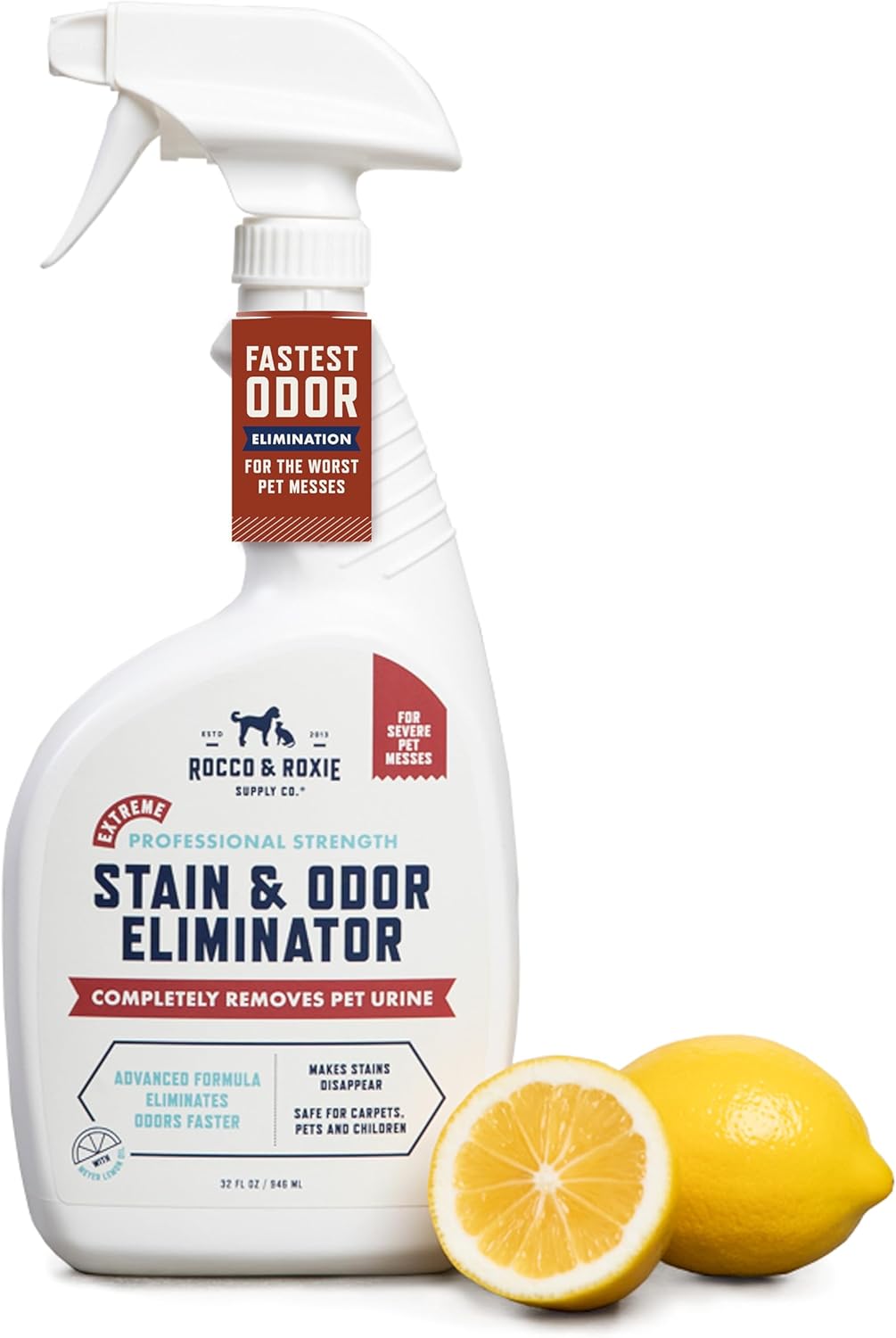 Enzyme Cleaner
Rocco & Roxie Extreme Stain & Odor Eliminator
Best For: Enzyme-based odor removal at the source
Material: Enzyme formula
Capacity: 32 oz spray
What We Like
- Breaks down odor molecules instead of masking
- Safe around pets when used as directed
- Works on urine, feces, and vomit
What We Don't Like
- Must fully saturate the area to work
- Takes time to dry
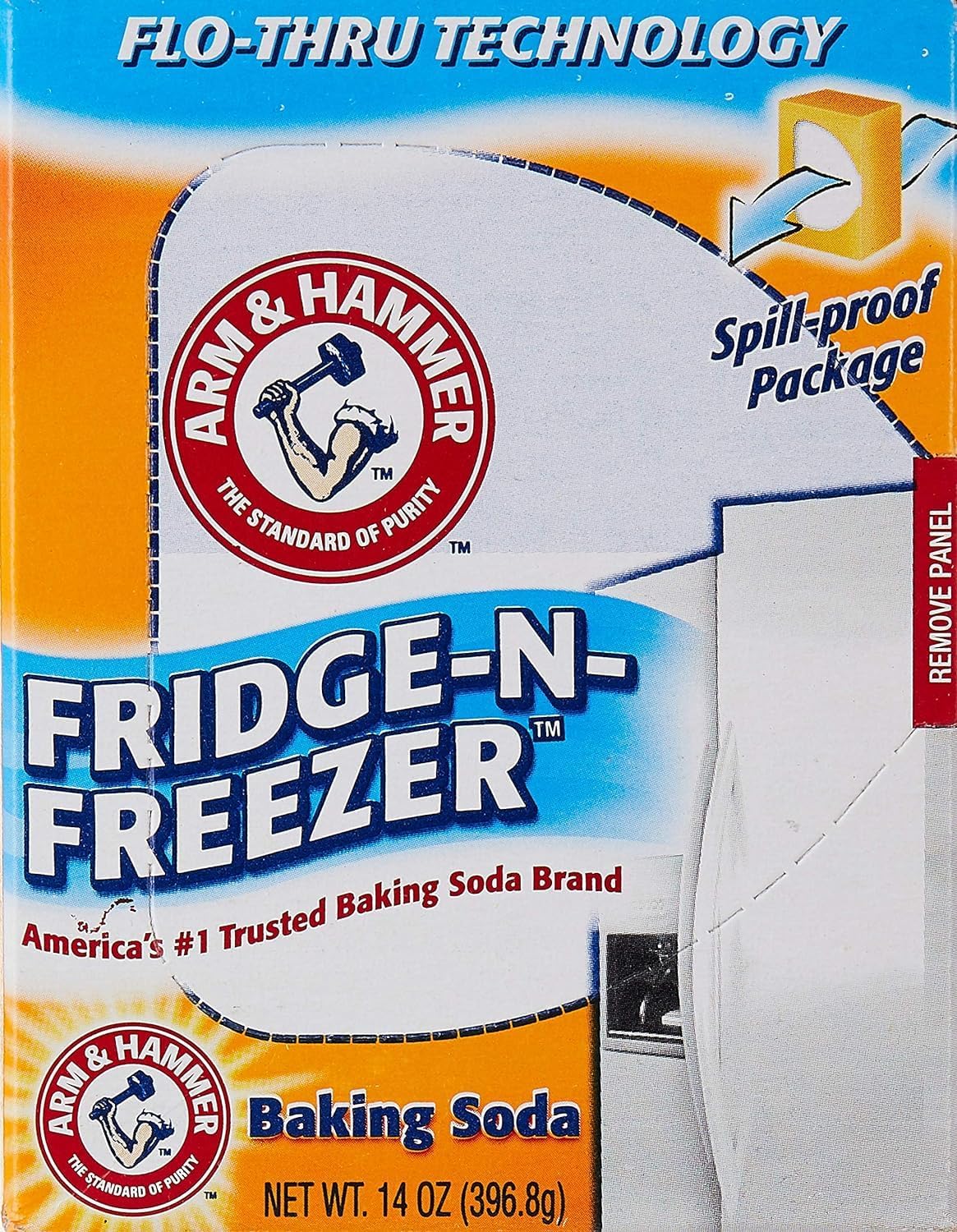 Fragrance-Free
ARM & HAMMER Baking Soda Fridge & Freezer Odor Absorber
Best For: Fragrance-free odor absorption near litter boxes
Material: Baking soda
Capacity: Pack of 3
What We Like
- No fragrance, no vapors — safe for cats
- Cheap and long-lasting
- Place-and-forget near odor sources
What We Don't Like
- Only absorbs, does not eliminate the source
- Needs replacing every 30 days
Frequently Asked Questions
Frequently Asked Questions
Are plug-in air fresheners safe for cats?
Not reliably. Plug-ins heat scented oil to release volatile fragrance compounds into the air, which can irritate a cat's sensitive airways and trigger coughing or wheezing. Some products also contain essential-oil ingredients (such as citrus, pine, or eucalyptus compounds) that cats cannot metabolize. The ASPCA and Pet Poison Helpline advise keeping cats away from strong fragrances and never letting them contact the oil.
What happens if my cat licks the scented oil from a plug-in?
The concentrated oil in a plug-in refill can cause drooling, vomiting, wobbliness, and mouth or stomach irritation. In cats, ingested fragrance compounds and any essential-oil components can also affect the liver and nervous system. Wipe the mouth, wash any oil off the fur so it is not licked off again, and call a veterinarian or poison hotline with the product name.
How are plug-in air fresheners different from essential oil diffusers?
They overlap but are not identical. Essential oil diffusers release concentrated pure oils, which are directly toxic to cats because cats lack the liver enzyme to clear them. Plug-ins use synthetic fragrances and solvents, and sometimes essential-oil components, heated into the air — the main risks are airway irritation from the vapors and poisoning if the oil is ingested. Both warrant keeping cats away, especially in unventilated rooms.
What are the signs a plug-in is bothering my cat?
Watch for coughing, sneezing, watery eyes, wheezing, or labored breathing — these point to airway irritation from the vapors. If a cat has licked the oil, look for heavy drooling, vomiting, wobbliness, lethargy, or a low body temperature. Any change in breathing is an emergency in a cat, so call a vet promptly.
Which air fresheners are safest to use around pets?
Avoid plug-ins, aerosols, and scented oils in rooms pets cannot leave. Pet-safe options include ventilation, baking-soda-based odor absorbers, and enzyme cleaners that break down odors at the source. If you use any fragrance, keep the room well-ventilated and let pets leave freely. Never apply essential oils or fragrance products directly to a pet.
The Bottom Line
Plug-in air fresheners are not a reliable choice for a cat-owning household. The continuous vapors can irritate a cat’s sensitive airways, the concentrated oil refill is a real poisoning hazard if a cat knocks it over or licks it, and some fragrance ingredients add a liver-toxicity concern because cats cannot metabolize them. The risks are highest in small, unventilated rooms and for cats with asthma.
The good news is that the alternatives are cheaper and more effective at actually removing odors: ventilation, baking-soda absorbers, and enzyme cleaners solve the underlying problem instead of covering it up. If you found this helpful, you may also want to read about essential oils and cats, browse our full Pet Toxin Lookup tool, or explore our pet knowledge articles for more research-backed care guidance.
References
- ASPCA Animal Poison Control Center. “Pet Care — Poison Control.” https://www.aspca.org/pet-care/aspca-poison-control
- Pet Poison Helpline. “Poisons.” https://www.petpoisonhelpline.com/poisons/
- Merck Veterinary Manual. “Toxicology.” https://www.merckvetmanual.com/toxicology
- Cornell Feline Health Center, Cornell University College of Veterinary Medicine. “Feline Health Topics.” https://www.vet.cornell.edu/departments-centers-and-institutes/cornell-feline-health-center
- American Association of Feline Practitioners (AAFP). “Feline Environmental Needs Guidelines.” https://catvets.com/