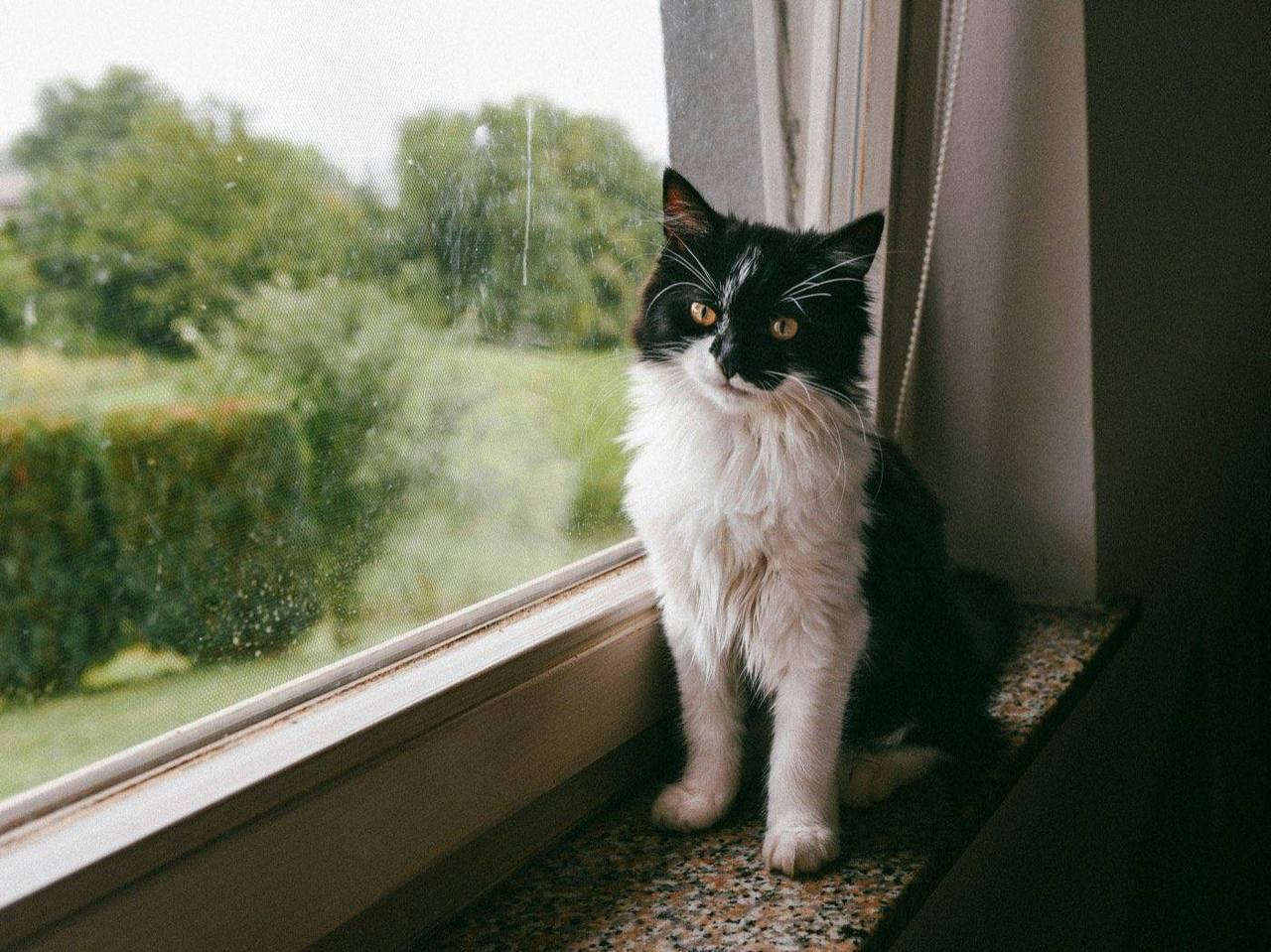
Cats communicate constantly, but most of their messages are visual. A flick of the tail, a rotation of the ears, or a change in posture can tell you whether a cat feels safe, playful, frightened, or irritated. The key is to read these signals together rather than relying on one body part alone. A purring cat is not always happy, and a wagging tail does not mean the same thing it does in a dog.
This guide walks you through the body-language cues veterinarians and behaviorists use to assess feline emotional states. You will learn how to interpret tail, ear, eye, and posture signals, how to avoid common misreadings, and what to do when your cat shows stress, playfulness, or affection.
A note on research: The interpretations below are based on veterinary behavior guidelines from the American Association of Feline Practitioners (AAFP), the International Society of Feline Medicine (ISFM), and peer-reviewed feline behavior literature. Every cat is an individual, so use this guide as a framework and observe your own cat over time.
Why Reading Cat Body Language Matters
Cats are non-verbal communicators. Unlike dogs, who often broadcast their emotions through obvious facial expressions and vocalizations, cats rely on subtler postural changes. The 2022 AAFP/ISFM Cat Friendly Veterinary Interaction Guidelines emphasize that caregivers and veterinary staff must interpret these signals to reduce fear and stress during handling. Ignoring early signs of anxiety—such as ear rotation or a tucked tail—can escalate a situation into hiding, aggression, or learned fear.
Recognizing body language also helps you catch medical problems earlier. A cat that is normally social but suddenly hides, flattens its ears, or stops grooming may be in pain or feeling unwell. If your cat’s baseline behavior changes suddenly, schedule a veterinary exam before assuming the issue is purely behavioral.
Common Body-Language Misinterpretations
Before diving into specific moods, it is worth clearing up a few myths. These traps are common because people tend to interpret cat signals through a human or canine lens.
- Purring always means happiness. Purring is most often associated with contentment, but cats also purr when they are in pain, frightened, or recovering from illness. Context and other body-language cues matter.
- A wagging tail means a happy cat. In cats, tail wagging, twitching, or thrashing usually signals arousal, irritation, or intense focus. It is not the friendly greeting it is in dogs.
- A slow blink always means trust. Slow blinking is generally a sign of relaxation and social bonding, but a stressed cat may also narrow its eyes defensively. Look at the whole face and body.
- Showing the belly is an invitation to pet. When a cat exposes its belly, it is showing confidence in its environment, but the belly is a vulnerable area. Many cats will scratch or bite if touched there.
- Hissing means aggression. Hissing is a defensive distance signal. It means the cat wants the perceived threat to back away, not that it is looking for a fight.
- A twitching tail tip always means anger. A gently twitching tail tip can indicate excitement, predatory focus, or urine-marking intention. A thrashing tail is more likely irritation.
Core Body-Language Signals
Tail
The tail is one of the most expressive parts of a cat’s body.
- Upright tail — Confidence, friendliness, or greeting. A tail held straight up with a slight hook at the tip is often described as a “happy question mark.”
- Level or slightly lowered tail — Neutral or relaxed.
- Tucked tail — Fear, anxiety, or submission.
- Puffed-up tail — Fear or arousal. The cat is trying to appear larger.
- Tail twitching at the tip — Interest, excitement, or predatory focus.
- Tail thrashing or whipping — Irritation, overstimulation, or high arousal.
- Tail wrapped around another cat or your leg — Affection and social bonding.
Ears
Ear position gives fast clues about a cat’s emotional state.
- Forward and slightly angled — Alert, relaxed, or curious.
- Flattened to the sides — Fear, anxiety, or defensive arousal.
- Flattened straight back — High fear or aggression.
- Rotated backward — Irritation or ambivalence.
- One ear forward, one back — Uncertainty or divided attention.
Eyes
- Slow blink — Trust and relaxation, often called a “cat kiss.”
- Direct stare with dilated pupils — Arousal, which can be excitement or fear.
- Narrowed eyes — Relaxation or, in some contexts, pain.
- Wide eyes with dilated pupils — Fear, surprise, or intense play drive.
- Half-closed eyes — Contentment.
Whiskers and Mouth
- Whiskers forward — Interest, curiosity, or hunting focus.
- Whiskers flattened back — Fear or defensive aggression.
- Mouth slightly open with tongue flick — Flehmen response, often used to analyze scents.
- Yawning or lip licking — Can be displacement behaviors signaling mild stress.
Posture
- Loose, soft body — Relaxed and comfortable.
- Crouched low to the ground — Fear, uncertainty, or readiness to flee.
- Arched back with fur standing up — Fear-based defensive arousal.
- Rolling on the side — Comfort and trust, but not necessarily a request for belly rubs.
- Standing tall with weight forward — Confidence or assertiveness.
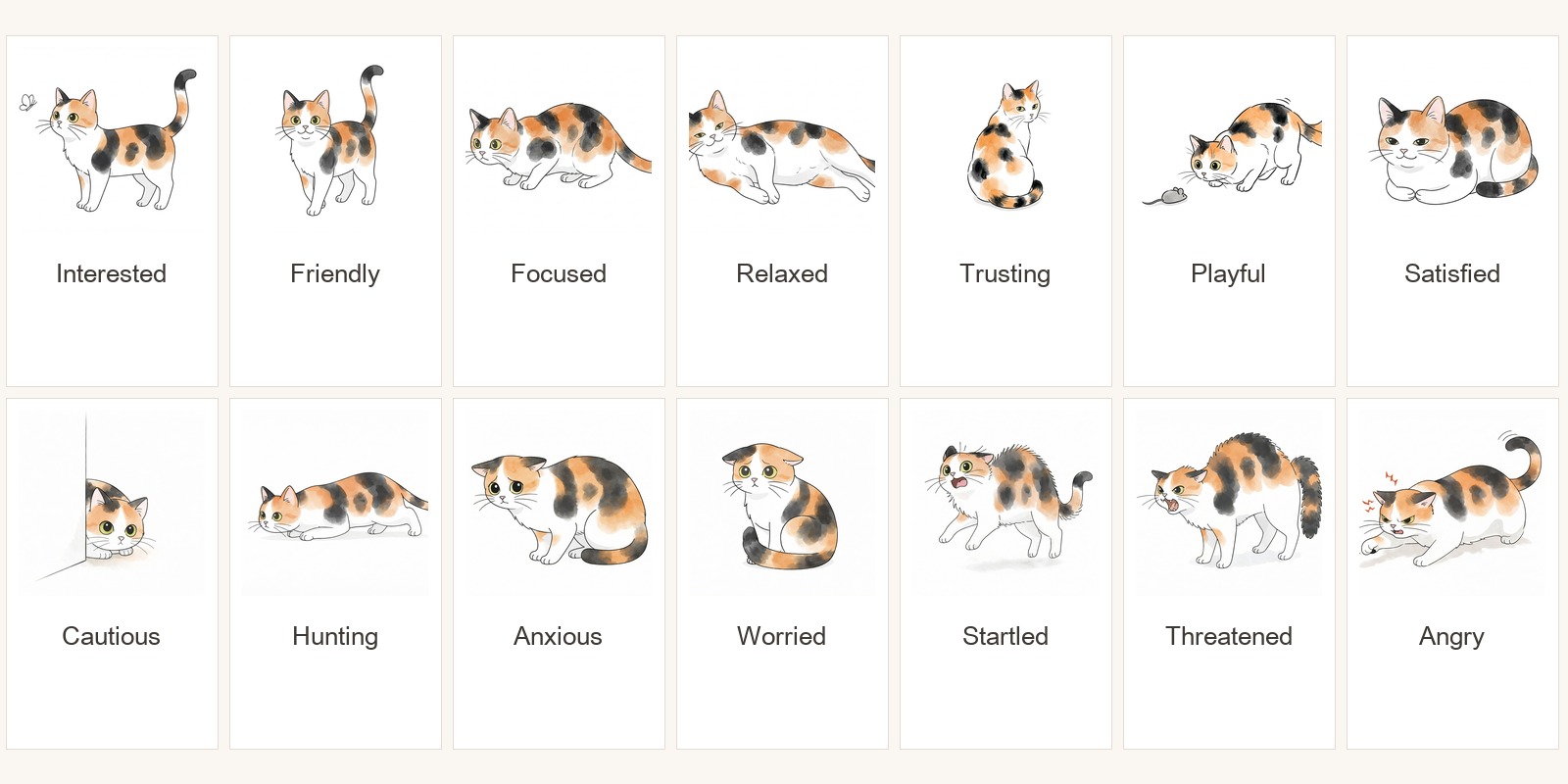
Visual Guide: 14 Common Cat Moods and Behaviors
The following states are adapted from common cat behavior charts and aligned with veterinary behavior descriptions. For each state, we list the observable signals, a real-world scenario, and the recommended owner response.
Positive and Relaxed States
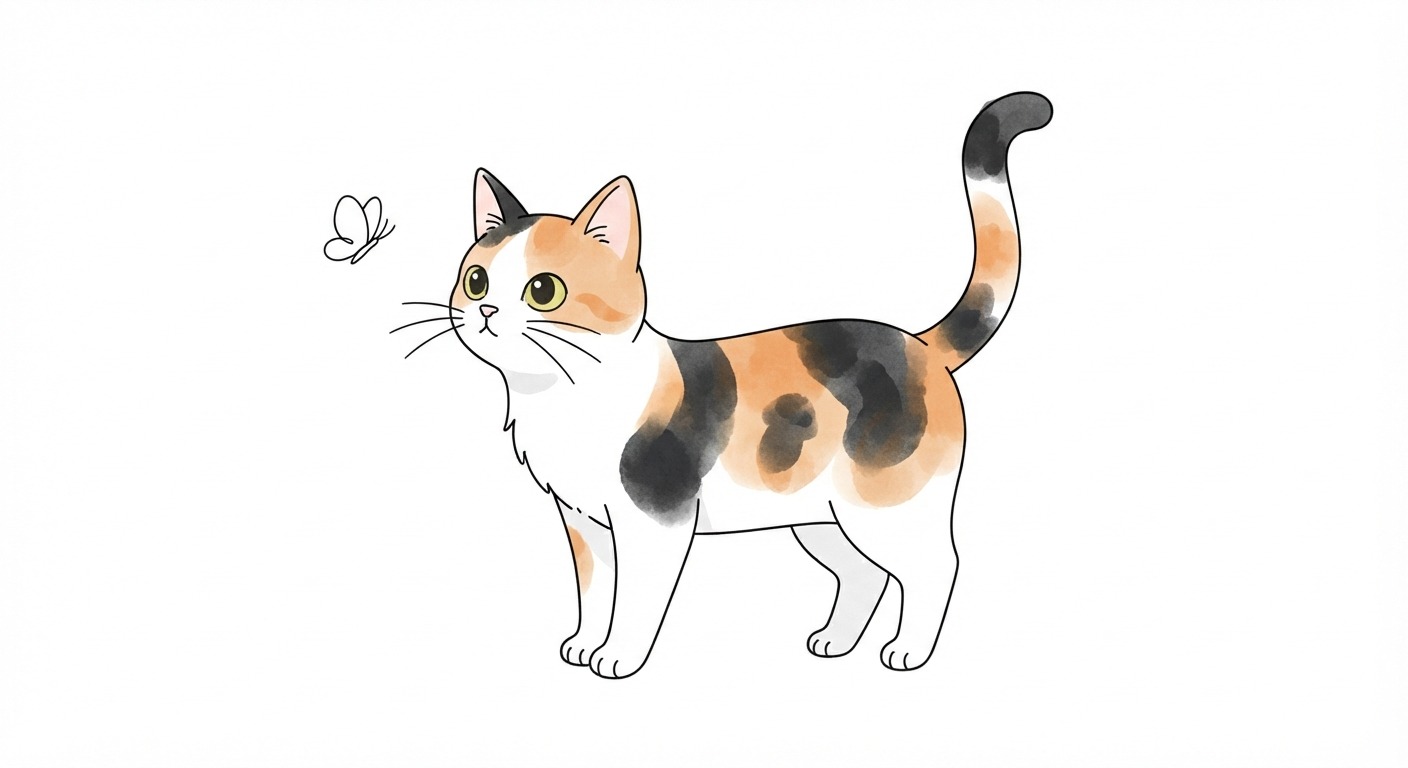
1. Interested (Curious)
Your cat notices something new and wants to investigate.
- Tail: Upright or level, tip may twitch gently.
- Ears: Forward and alert.
- Eyes: Wide, pupils slightly dilated.
- Posture: Leaning forward, weight on front paws.
- Real-world scenario: You bring home a cardboard box. Your cat approaches with ears forward, tail up, and sniffing the air.
- What to do: Let them investigate at their own pace. Avoid forcing interaction.
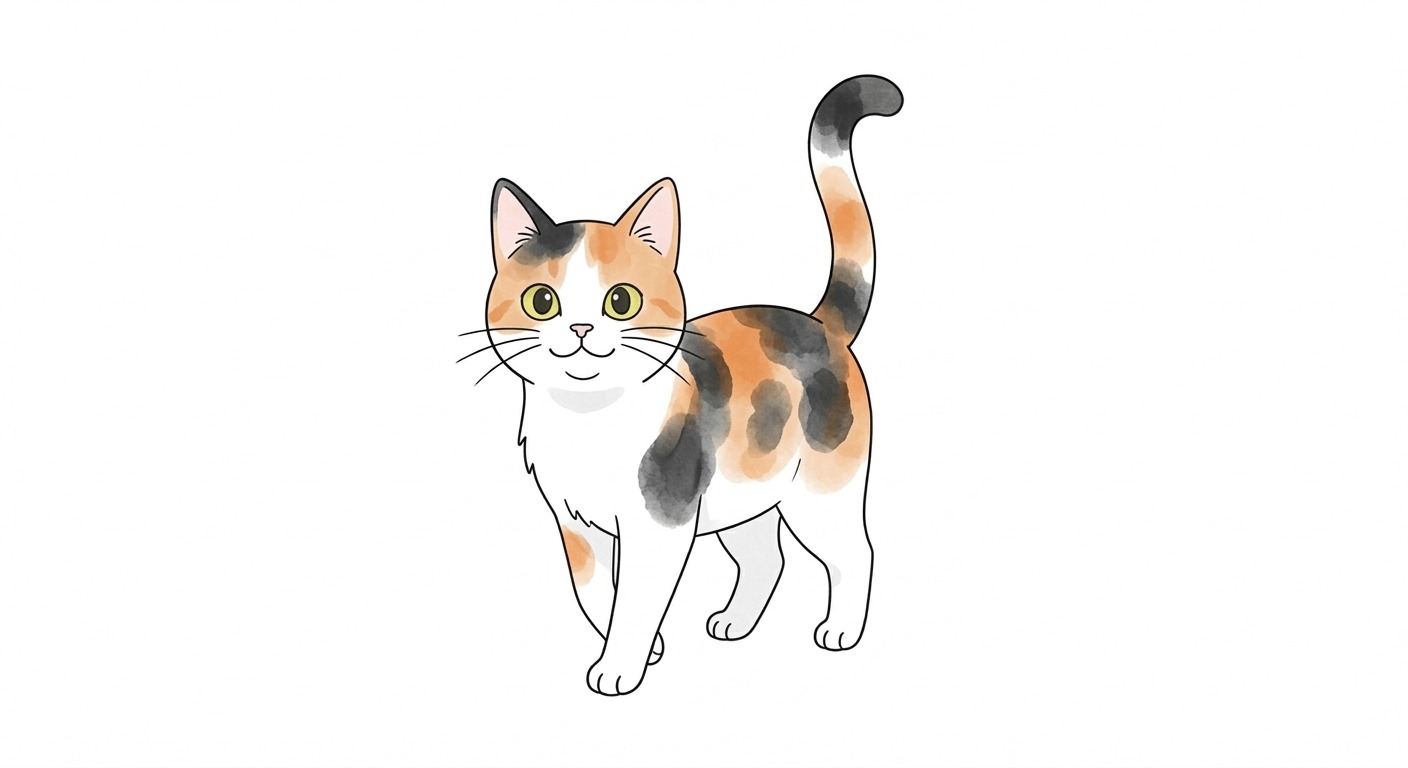
2. Friendly
A social, confident cat greeting you or a familiar visitor.
- Tail: Upright with a hooked tip, sometimes quivering slightly.
- Ears: Forward.
- Eyes: Soft, may blink slowly.
- Posture: Approaching openly, may rub against legs.
- Real-world scenario: You come home from work and your cat walks toward you with its tail straight up, then rubs its cheek against your shin.
- What to do: Offer calm greetings, gentle petting on the head or cheeks, and verbal reassurance.
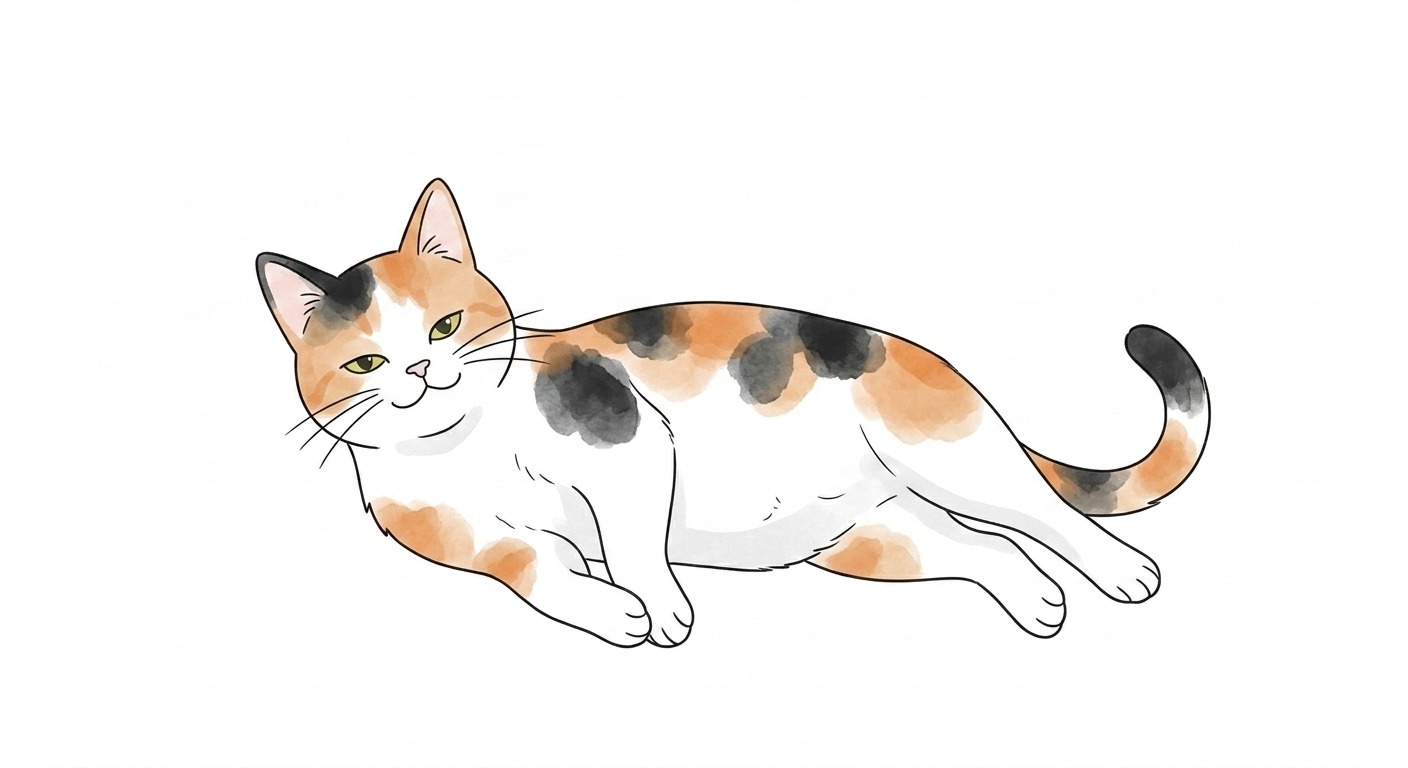
3. Relaxed
The cat feels safe enough to rest and observe.
- Tail: Still or loosely wrapped around the body.
- Ears: Forward or neutral.
- Eyes: Half-closed or gently blinking.
- Posture: Loose limbs, exposed belly, possibly lying on the side.
- Real-world scenario: Your cat is sprawled on the sofa in a sunny spot, belly up, paws dangling loosely.
- What to do: Enjoy the moment. If you pet them, stick to safer areas like the head, chin, and cheeks unless you know they enjoy belly contact.
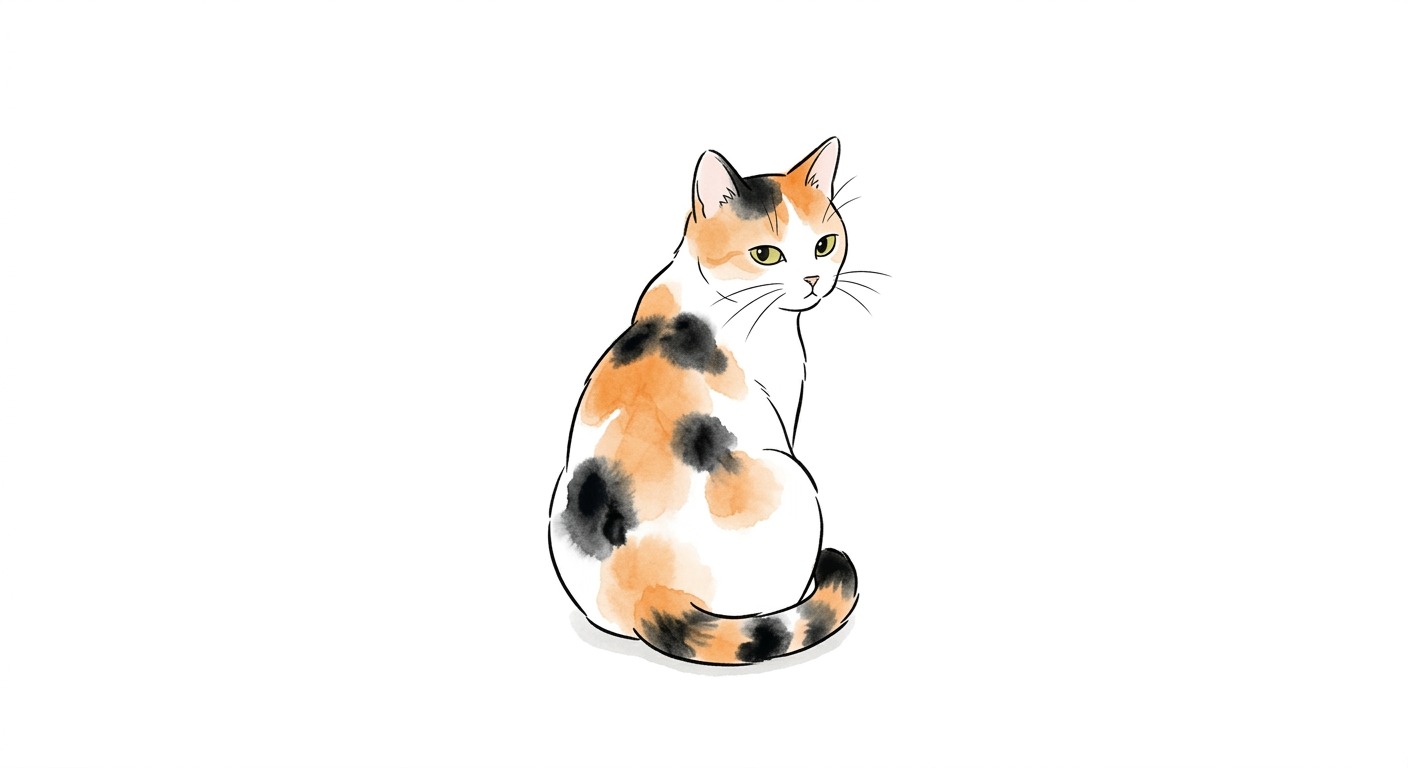
4. Trusting
A deeper state of social comfort, often shown toward favorite people or cats.
- Tail: Upright or relaxed, sometimes resting on you.
- Ears: Forward or neutral.
- Eyes: Slow blink, soft gaze.
- Posture: Settled near you, may expose vulnerable areas.
- Real-world scenario: Your cat climbs onto your lap, turns its back to you, and settles down to sleep.
- What to do: Return the slow blink, keep movements calm, and avoid sudden shifts that could startle them.
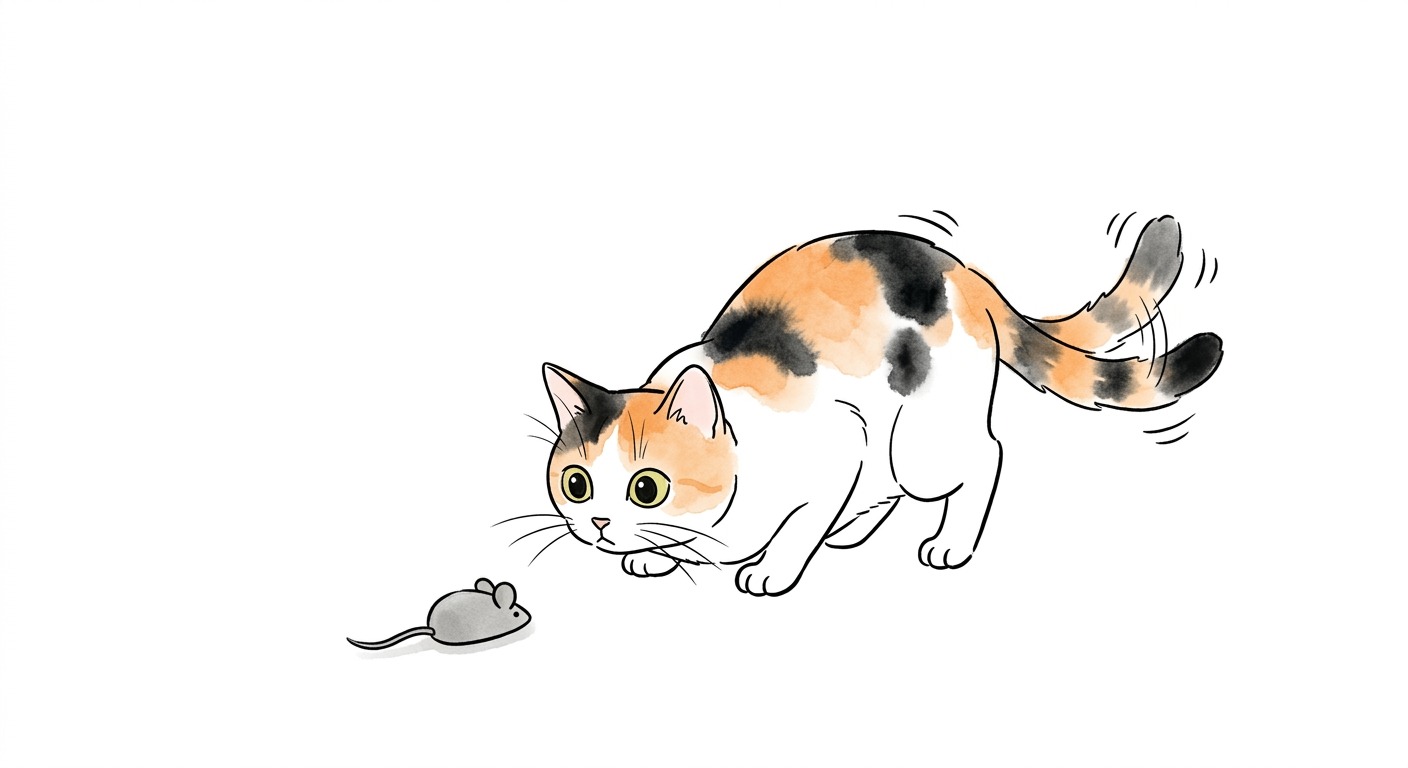
5. Playful / Excited
Your cat is ready for play and has switched into predatory mode.
- Tail: Upright or slightly lowered, tip twitching.
- Ears: Forward.
- Eyes: Wide, pupils dilated.
- Posture: Crouched with hindquarters wiggling, ready to pounce.
- Real-world scenario: Your cat crouches behind the couch, wiggles its rear, then leaps at a toy mouse.
- What to do: Offer interactive play with a wand toy. Let them catch the “prey” occasionally to prevent frustration.
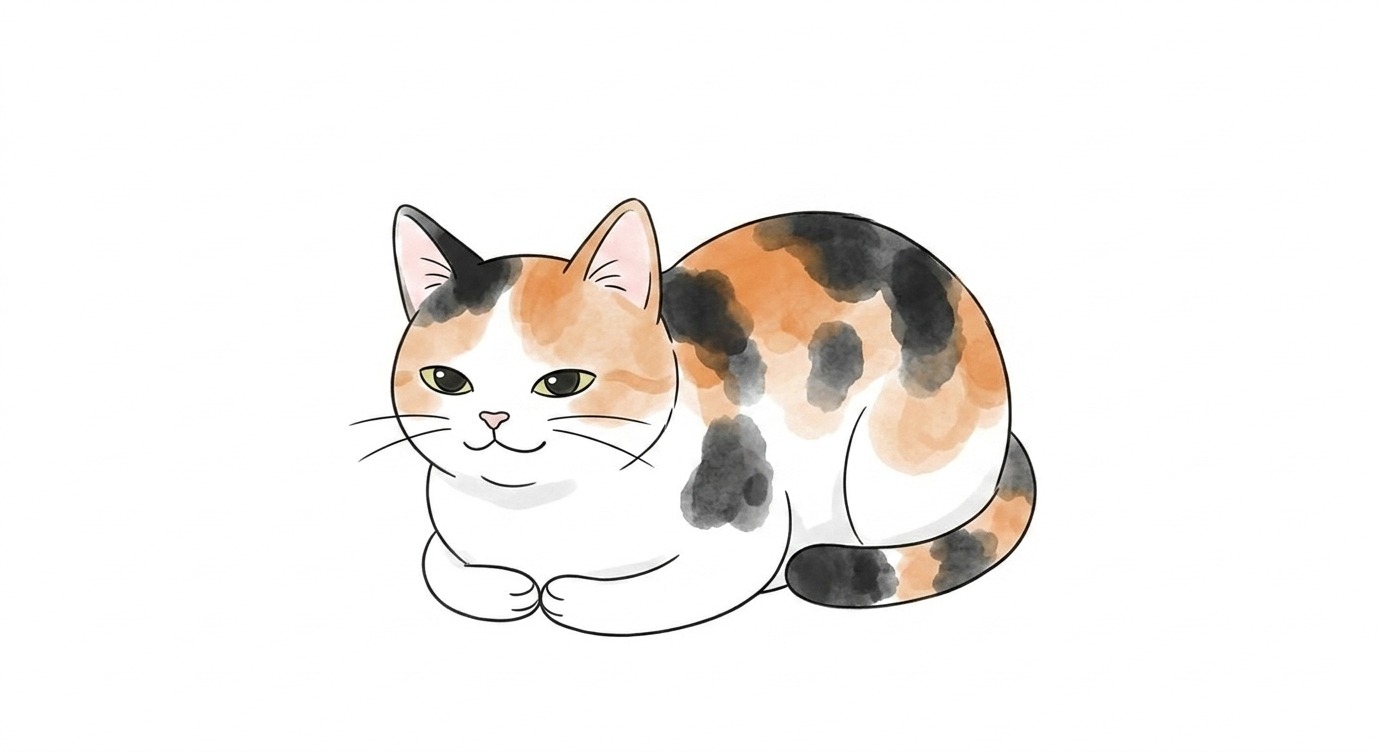
6. Satisfied / Content
After eating, grooming, or a good play session.
- Tail: Relaxed, sometimes wrapped.
- Ears: Neutral or slightly forward.
- Eyes: Half-closed.
- Posture: Loafed paws or curled up.
- Real-world scenario: After dinner, your cat sits in a “cat loaf” position, eyes half-closed, purring softly.
- What to do: Leave them to rest. Content cats are generally not looking for high-energy interaction.
Neutral and Alert States
7. Focused
The cat is concentrating on something specific.
- Tail: Still or tip twitching.
- Ears: Forward, possibly swiveling.
- Eyes: Locked on target, pupils may dilate.
- Posture: Still, low to the ground, muscles tense.
- Real-world scenario: Your cat sits motionless at the window, watching a bird on the feeder.
- What to do: Allow the observation. If the cat seems frustrated because it cannot reach the prey, redirect with a play session.
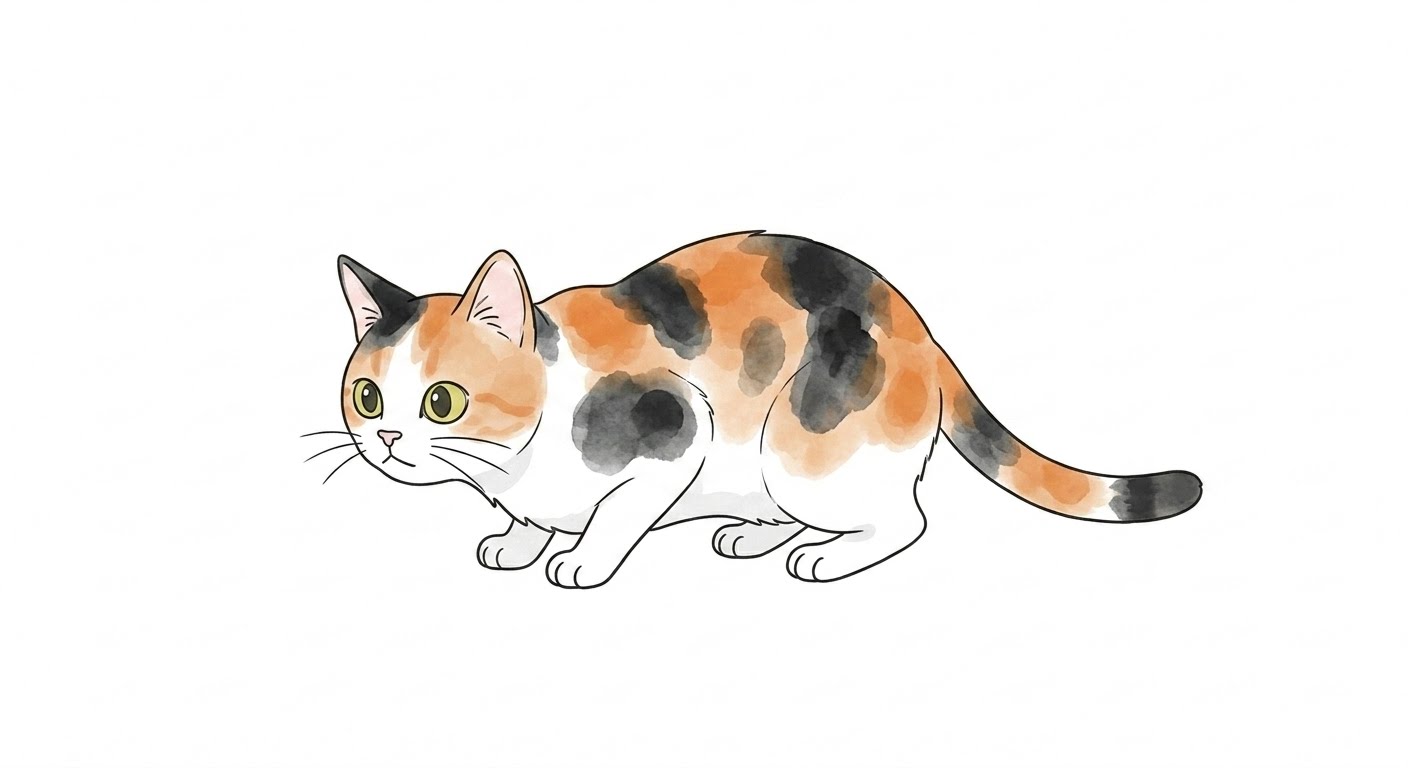
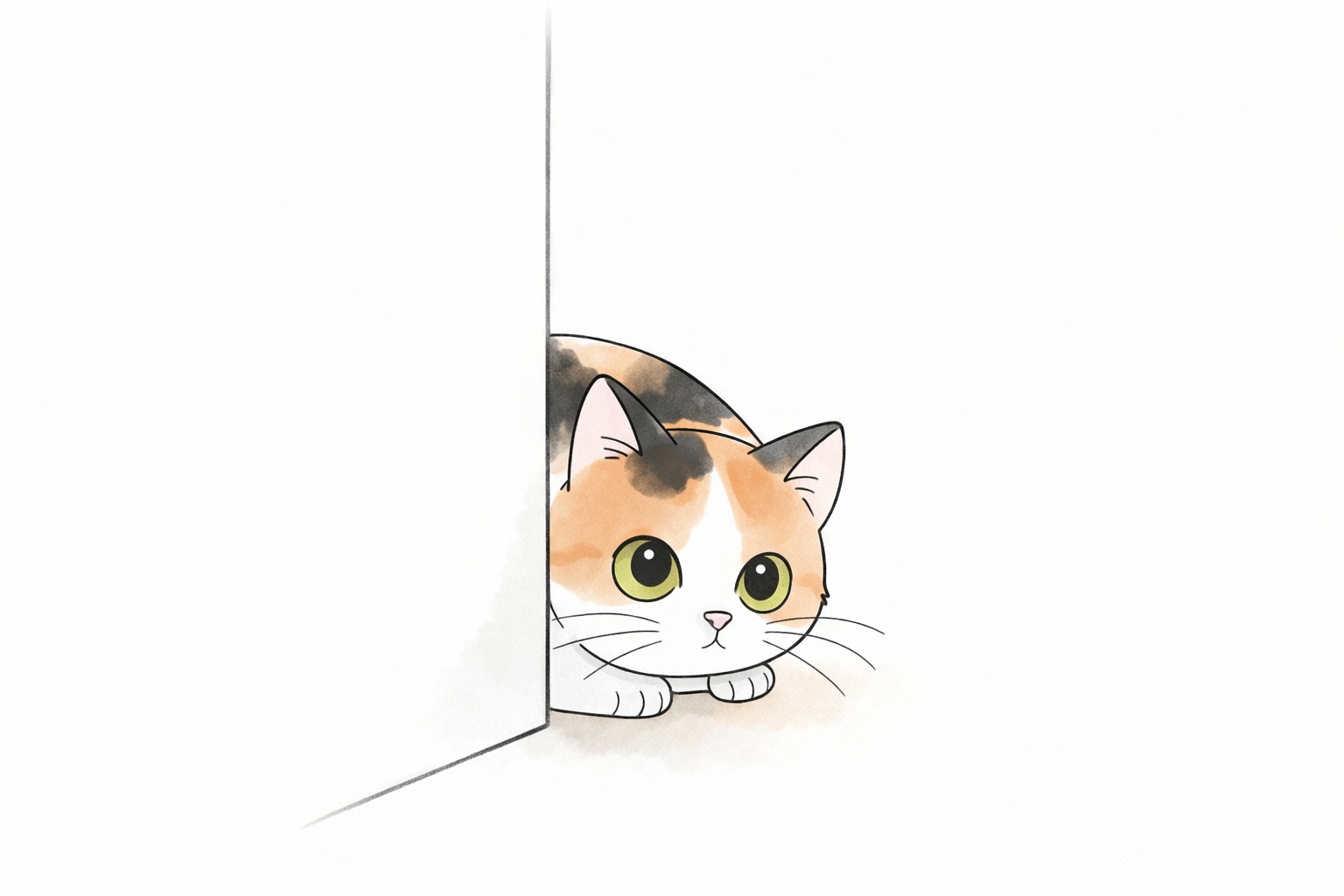
8. Cautious
The cat is unsure and assessing risk.
- Tail: Low or tucked slightly.
- Ears: Partly flattened or rotating.
- Eyes: Wide, scanning.
- Posture: Low crouch, ready to retreat.
- Real-world scenario: A new guest sits down. Your cat peeks around the corner, body low, and does not approach.
- What to do: Do not force an introduction. Let the cat retreat and investigate on its own terms.
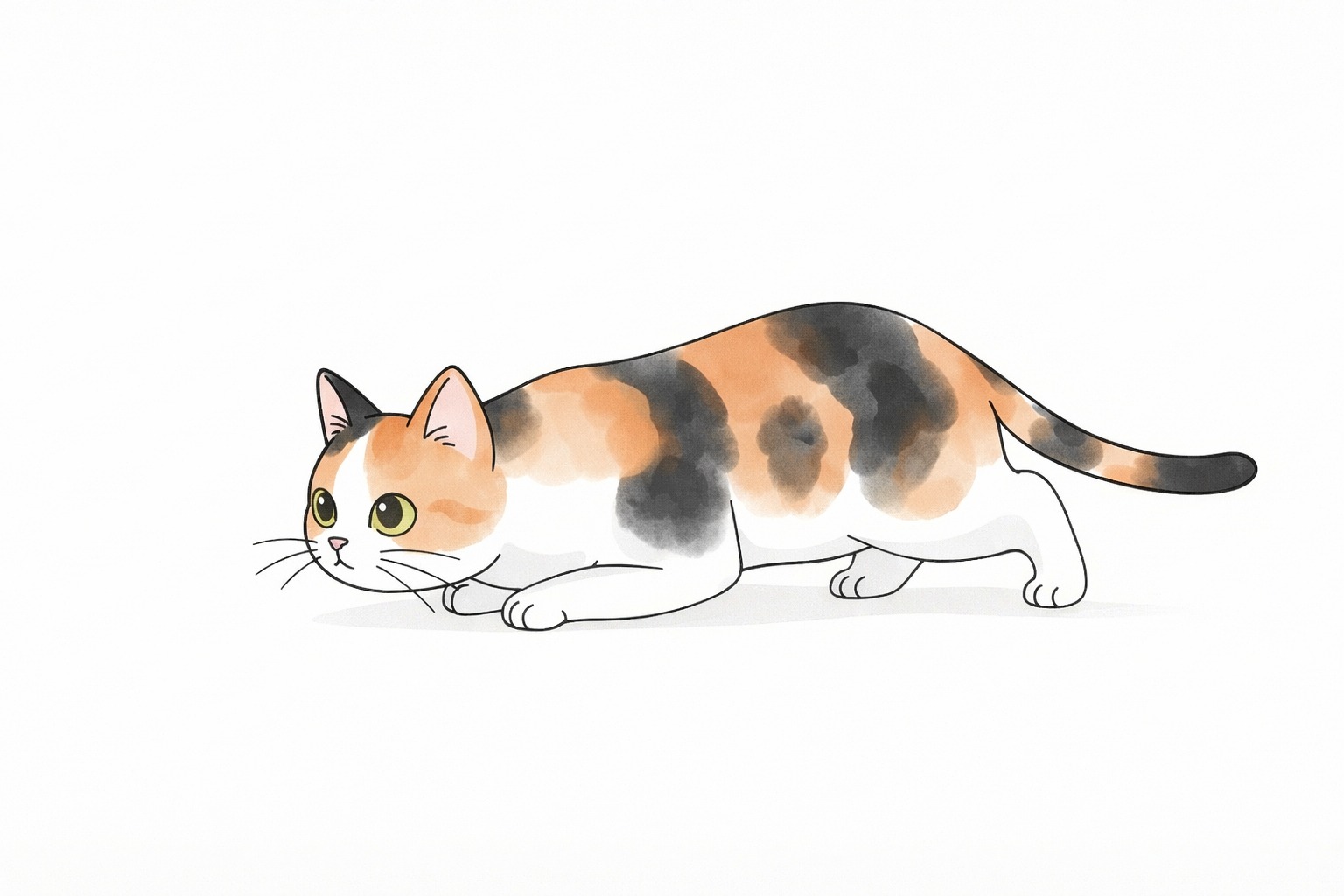
9. Hunting / Predatory
Full predatory arousal.
- Tail: Low and still, or twitching at the tip.
- Ears: Forward and angled toward prey.
- Eyes: Intensely focused, pupils dilated.
- Posture: Crouched, hindquarters raised, wiggling before a pounce.
- Real-world scenario: Your cat stalks a toy under the rug, pauses, then launches itself forward.
- What to do: Provide appropriate outlets such as wand toys or puzzle feeders. Avoid using hands or feet as toys.
Negative and Stress States
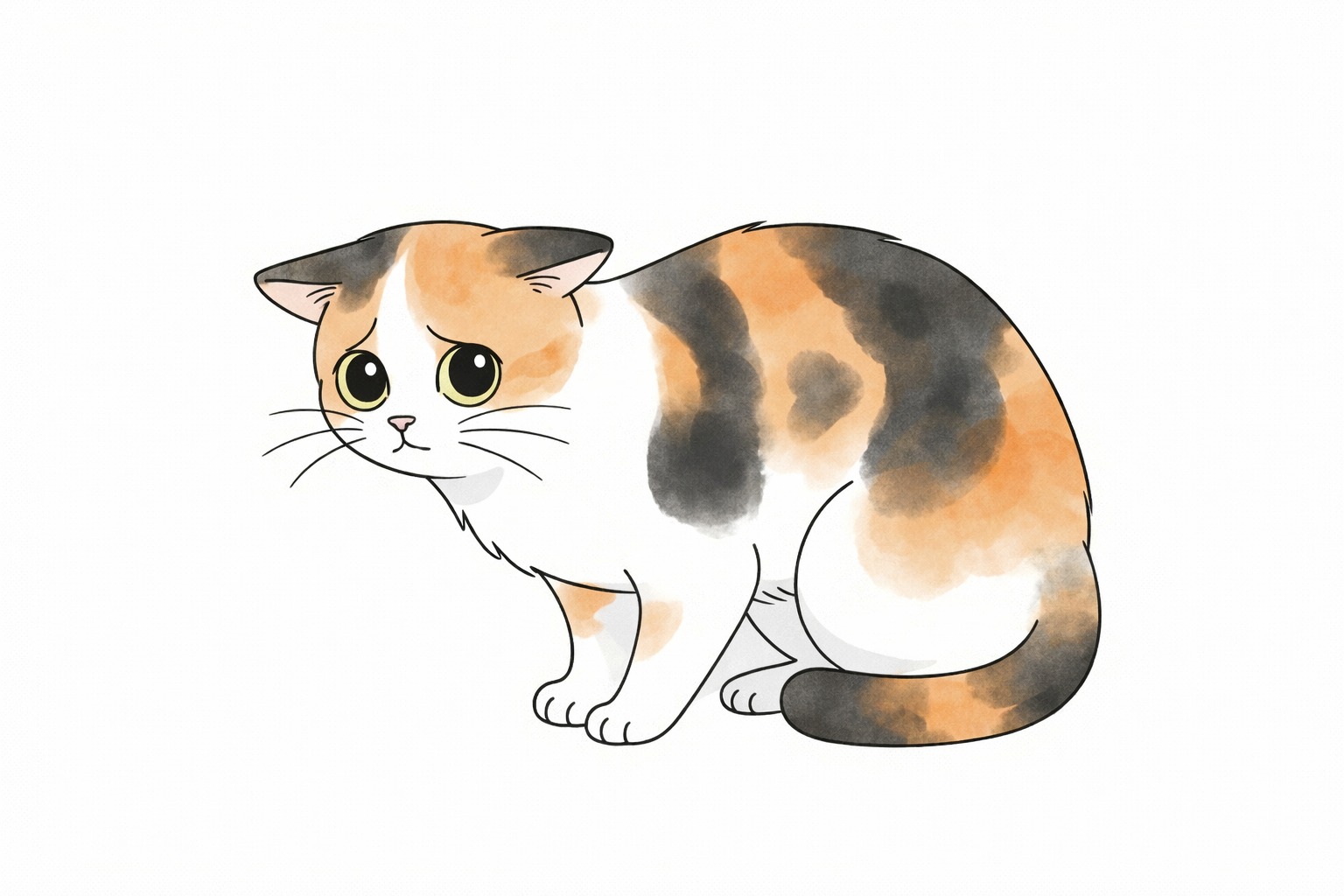
10. Anxious / Uneasy
The cat senses something concerning but has not fully escalated to fear.
- Tail: Low, tucked, or lashing.
- Ears: Rotated back or flattened to the sides.
- Eyes: Dilated pupils, darting gaze.
- Posture: Tense, may crouch or pace.
- Real-world scenario: You vacuum the living room. Your cat retreats to the hallway, ears back, and watches from a distance.
- What to do: Identify and reduce the trigger. Provide a safe hiding spot and consider environmental calming aids.
11. Worried
A milder stress state, often triggered by unfamiliar sounds or smells.
- Tail: Tucked or wrapped tightly around the body.
- Ears: Partly flattened.
- Eyes: Wide, pupils moderately dilated.
- Posture: Crouched, muscles tense.
- Real-world scenario: You rearrange the furniture. Your cat walks through the room slowly, sniffs everything, and keeps its tail close to its body.
- What to do: Maintain routines, offer familiar scents, and give the cat time to adjust.
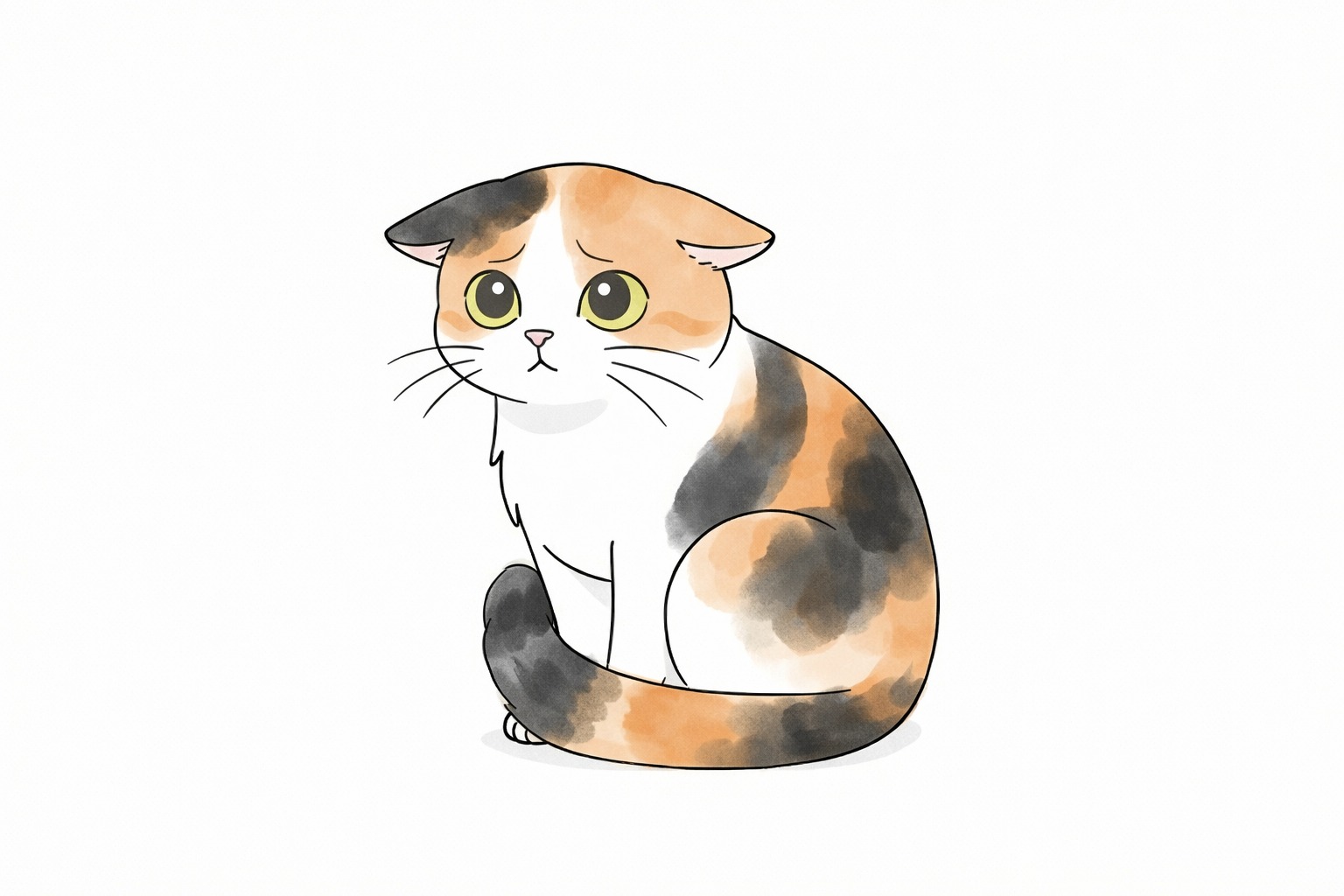
12. Startled / Scared
A sudden fear response.
- Tail: Puffed up like a bottle brush.
- Ears: Flattened back.
- Eyes: Fully dilated.
- Posture: Crouched or frozen, ready to flee.
- Real-world scenario: A door slams loudly. Your cat jumps, puffs its tail, and darts under the bed.
- What to do: Do not chase or pull the cat out. Let them hide until they feel safe enough to emerge.
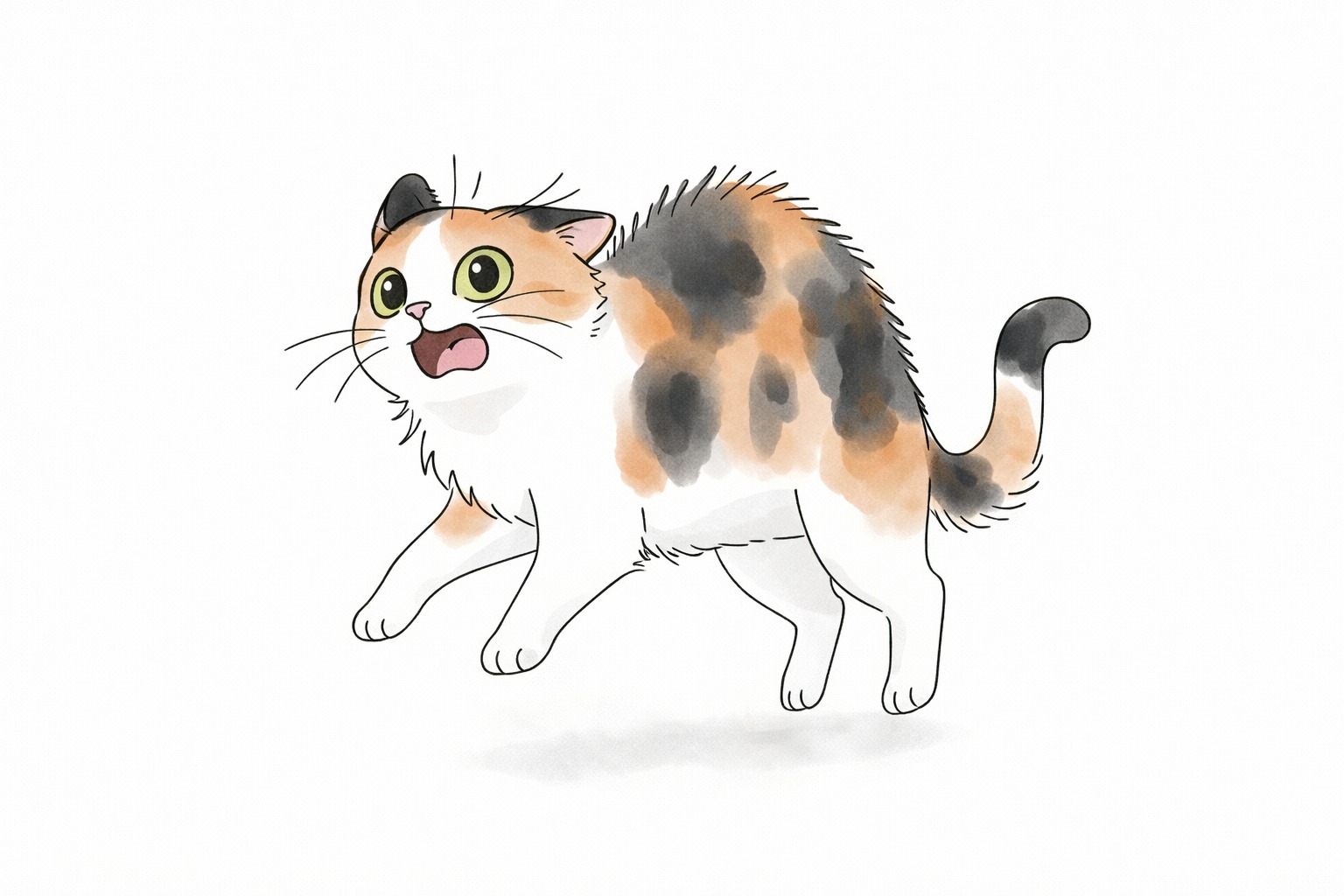
13. Threatened
The cat feels cornered and may defend itself.
- Tail: Puffed and thrashing, or tucked tightly.
- Ears: Flattened straight back.
- Eyes: Dilated, hard stare.
- Posture: Arched back, possibly turned sideways to appear larger.
- Real-world scenario: A dog corners your cat in a hallway. The cat arches its back, hisses, and swipes.
- What to do: Remove the threat, create an escape route, and do not handle the cat until it has calmed down.
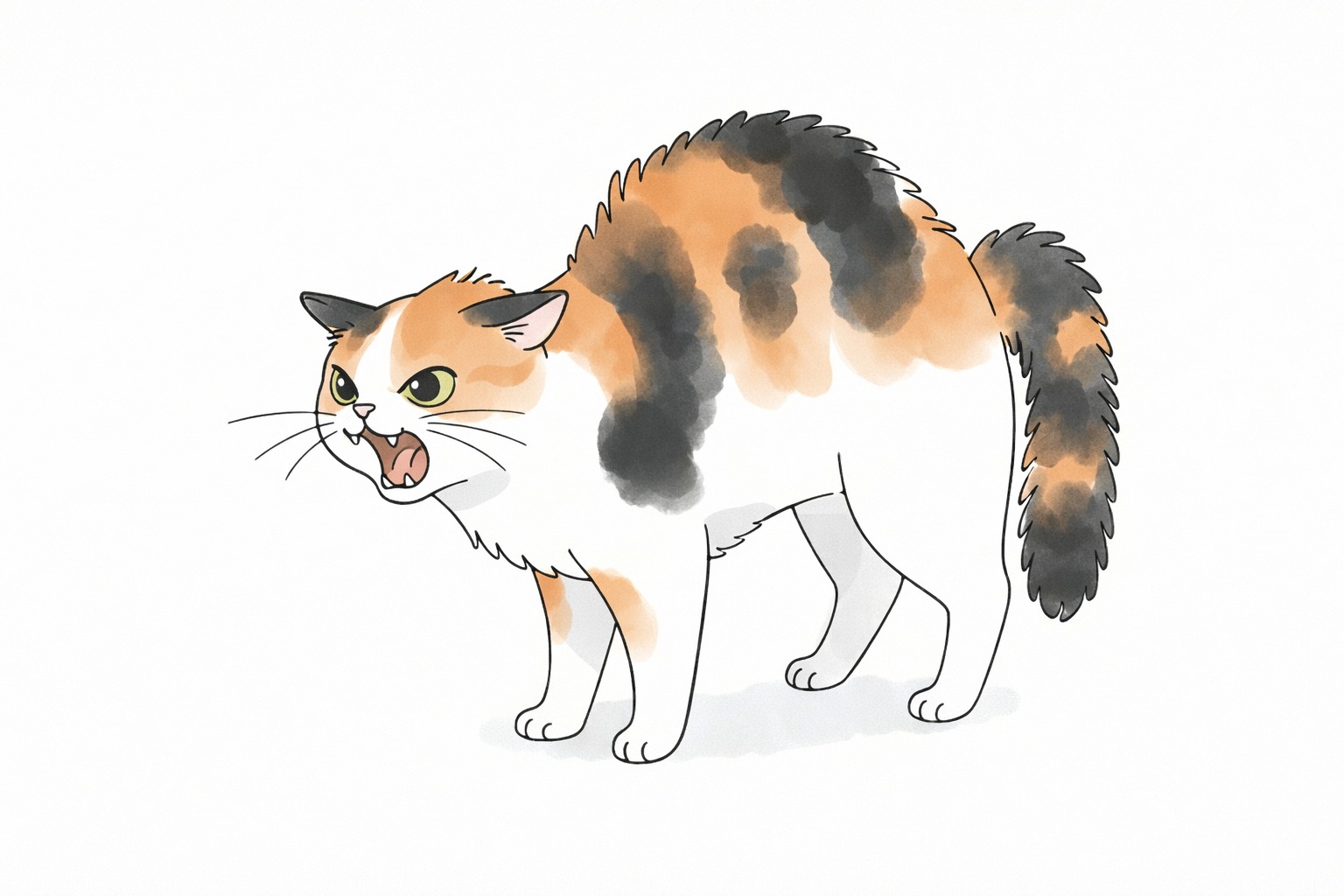
14. Angry / Highly Aroused
The cat is at high arousal and may bite or scratch.
- Tail: Thrashing rapidly.
- Ears: Flattened and rotated back.
- Eyes: Narrowed stare or fully dilated.
- Posture: Tense, possibly crouched or standing rigid.
- Real-world scenario: You pet your cat for too long, and it suddenly swats at your hand with its ears back.
- What to do: Stop all interaction immediately. Give the cat space to de-escalate.
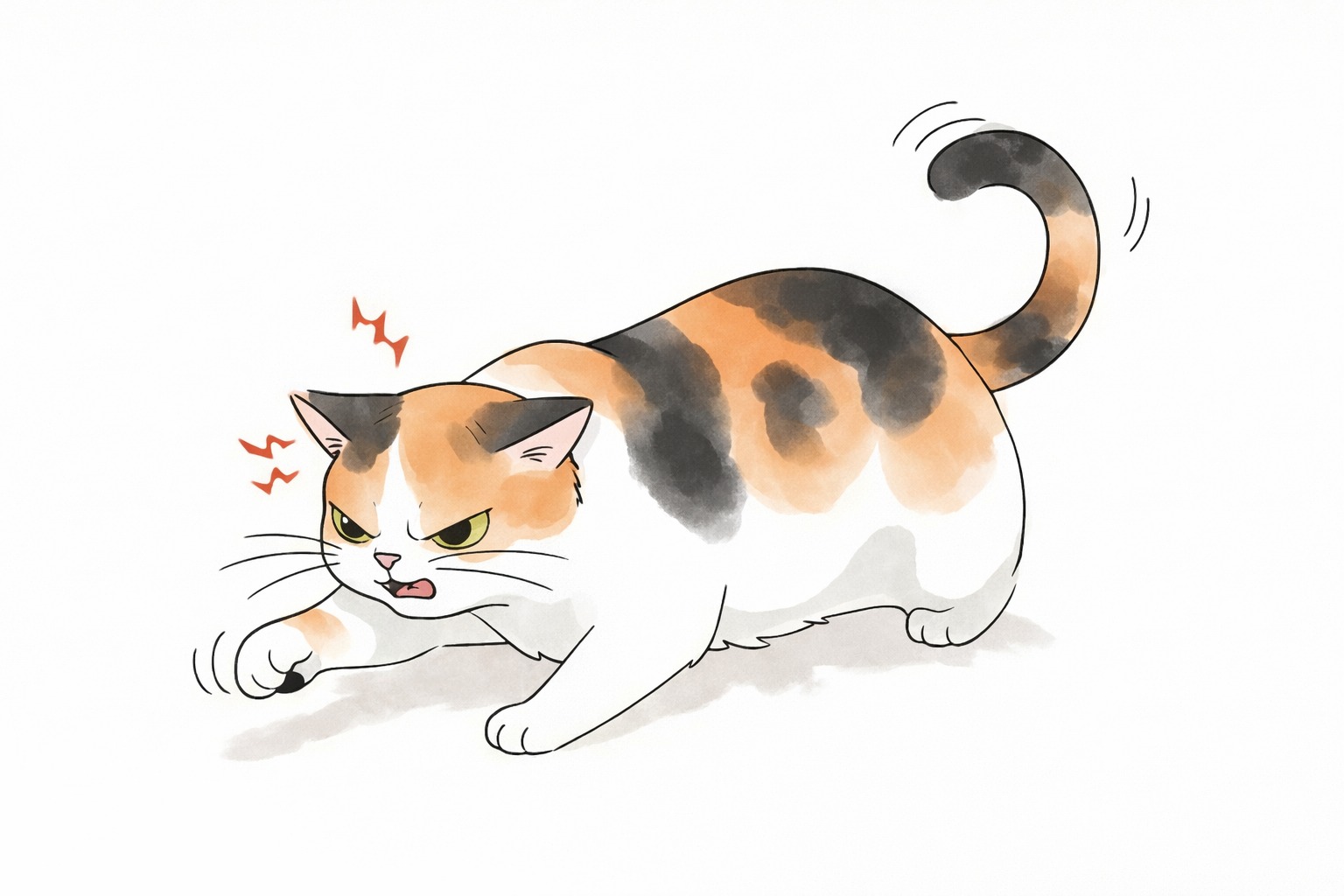
Quick Reference Table
Use this table as a fast lookup when you notice multiple signals at once.
| Tail | Ears | Eyes | Posture | Likely emotion |
|---|---|---|---|---|
| Upright, relaxed | Forward | Soft, half-closed | Loose, maybe belly exposed | Relaxed / trusting |
| Upright with hooked tip | Forward | Soft, blinking | Approaching openly | Friendly |
| Level, tip twitching | Forward, swiveling | Locked on target | Crouched, still | Focused / hunting |
| Low or tucked | Rotated back | Wide, darting | Low crouch | Anxious / cautious |
| Puffed up | Flattened back | Fully dilated | Arched back | Scared / threatened |
| Thrashing | Flattened back | Hard stare | Tense, rigid | Angry / highly aroused |
What to Do in Each Emotional State
| Emotional state | Recommended response |
|---|---|
| Relaxed / content | Let them rest; offer gentle affection if solicited. |
| Friendly | Greet calmly, allow rubbing, pet preferred areas. |
| Playful / hunting | Use an interactive wand toy; end with a catch. |
| Focused | Allow observation; redirect frustration with play. |
| Cautious | Give space; do not force interaction. |
| Anxious | Identify trigger, provide hiding spots, reduce noise. |
| Scared / threatened | Back away, remove threat, let the cat hide. |
| Angry / aroused | Stop interaction, give the cat time to calm down. |
Recommended Products for Observation and Enrichment
The right tools can make it easier to support your cat’s emotional health. We recommend two products that fit naturally with this guide: one for interactive play and one for environmental calming.
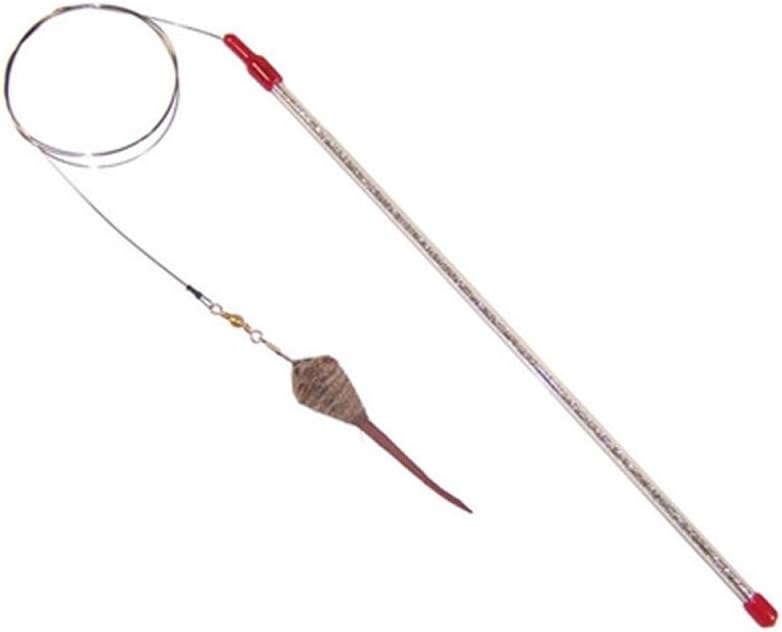 Best for Play
Go Cat Cat Catcher Teaser Wand with Mouse
Best For: Interactive play and hunting practice
Material: Fiberglass wand, faux-fur mouse lure
Capacity: One wand with mouse attachment
What We Like
- Encourages natural stalking behavior
- Lightweight and easy to maneuver
- Durable construction
- Helps redirect predatory energy away from hands
What We Don't Like
- Mouse attachment may wear with heavy use
- Supervision required
- Not a solo-play toy
The Go Cat Cat Catcher Teaser Wand is our pick for turning a cat’s hunting state into a safe, satisfying play session. Wand toys let you mimic the movement of prey, which satisfies the predatory sequence of stalk, chase, pounce, and catch. This is especially useful for cats that show hunting body language toward ankles, curtains, or other pets.
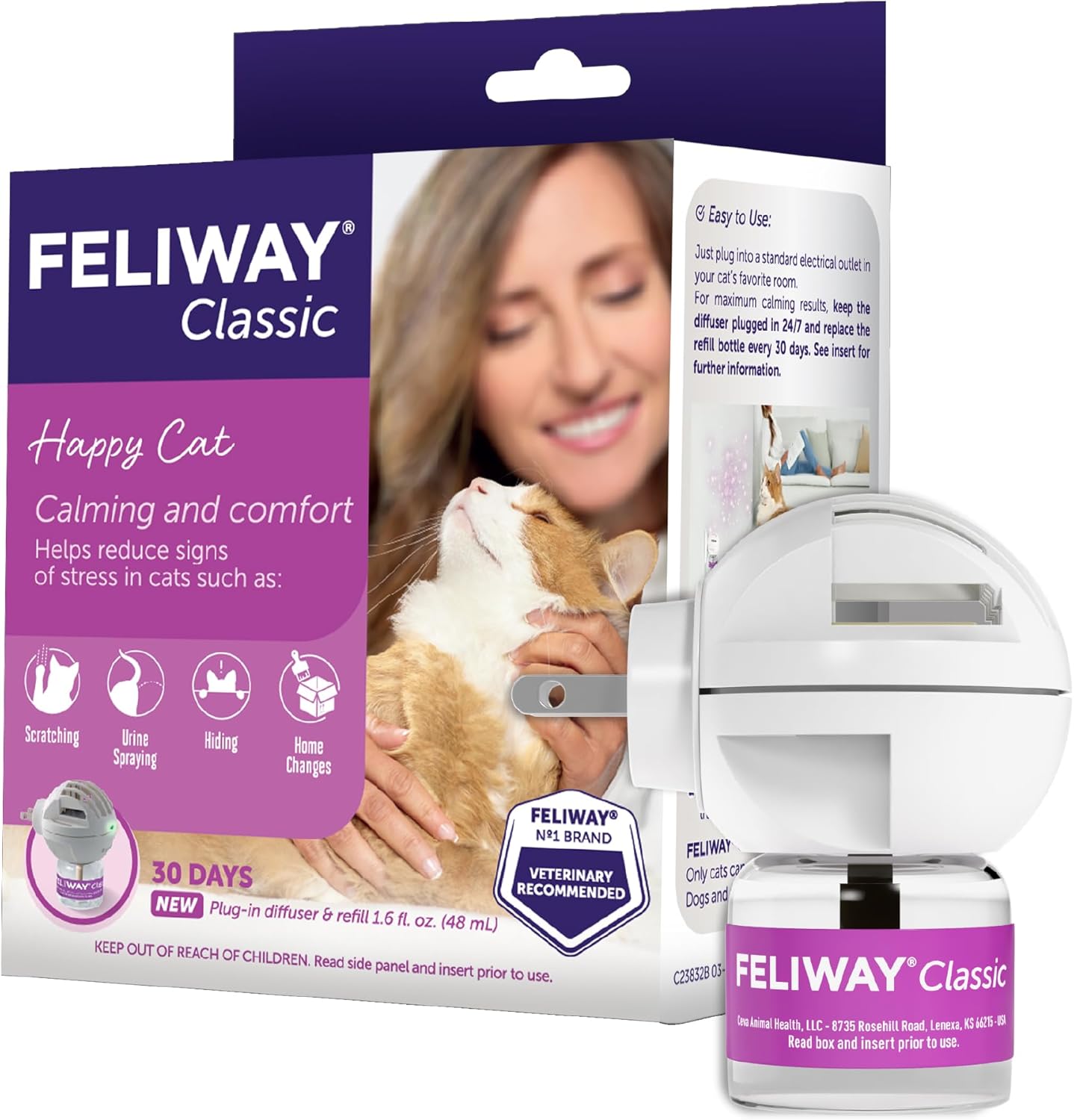 Best for Calming
FELIWAY Classic Cat Calming Diffuser Kit
Best For: Stress-related behaviors and anxious cats
Material: Synthetic feline facial pheromone analog
Capacity: 48 mL vial, ~30 days
What We Like
- Clinically studied pheromone analog
- Covers up to 700 sq ft
- Easy plug-in design
- Widely used by veterinarians
What We Don't Like
- Takes 1–2 weeks to show full effect
- Diffuser head should be replaced every 6 months
- May not work for every cat
The FELIWAY Classic Diffuser releases a synthetic copy of the feline facial pheromone that cats deposit when they rub their cheeks against objects. Research suggests these pheromones can help reduce stress-related behaviors such as hiding, urine spraying, and inappropriate scratching in some cats. It is most useful when environmental triggers—such as moving, new pets, or loud noises—are present.
Comparison Table
| Feature | Go Cat Cat Catcher Wand | FELIWAY Classic Diffuser |
|---|---|---|
| Best for | Play, hunting practice, exercise | Anxiety, stress, environmental changes |
| Type | Interactive toy | Pheromone diffuser |
| Active ingredient | None | Synthetic feline facial pheromone |
| How to use | 10–15 min play sessions | Plug into outlet, replace refill monthly |
| Price range | $7–$12 | $20–$28 |
| Our rating | 4.5 / 5 | 4.0 / 5 |
FAQs
Frequently Asked Questions
How do I know if my cat is happy?
A happy cat usually shows an upright or relaxed tail, forward ears, soft eyes, and a loose body posture. They may approach you, rub against you, or rest with exposed bellies. The full picture matters: look at tail, ears, eyes, and posture together.
Why does my cat flick its tail?
A gently flicking tail tip often means interest, excitement, or predatory focus. A thrashing or whipping tail usually signals irritation or high arousal. Context is key: a flicking tail during play is different from a thrashing tail during petting.
What does it mean when a cat's ears are flat?
Flattened ears generally signal fear, anxiety, or defensive aggression. Ears flattened straight back usually mean the cat is highly aroused and may bite or scratch if approached. Give the cat space.
Why do cats suddenly attack after seeming friendly?
This is often petting-induced overstimulation. A cat may enjoy petting at first, then reach a threshold where touch becomes irritating. Early warning signs include tail twitching, ear rotation, skin rippling, or a sudden stillness. Stop petting before these escalate.
How can I tell if my cat is stressed?
Stress signs include tucked tail, flattened or rotated ears, dilated pupils, hiding, excessive grooming, loss of appetite, and changes in elimination. If stress signs persist for more than a day or two, consult a veterinarian.
Do cats wag their tails when happy?
Not in the way dogs do. Cats wag, twitch, or thrash their tails when aroused, irritated, excited, or focused. A loose, still tail or a gently upright tail is a better sign of a relaxed, happy cat.
What does a slow blink mean?
A slow blink is often called a 'cat kiss.' It usually signals relaxation and trust. You can return the gesture by making soft eye contact and slowly blinking back. Avoid staring, which cats can interpret as a threat.
Should I approach a scared cat?
No. A scared cat needs space and an escape route. Approach can escalate fear into aggression. Let the cat come to you, and use calm body language such as turning sideways, avoiding direct eye contact, and lowering yourself to their level.
Final Verdict
Reading cat body language is a skill that improves with observation. The most important principle is to interpret signals as a group. A wagging tail, flattened ears, or even a purr can mean different things depending on what the rest of the body is doing. Start by learning your cat’s baseline relaxed posture, then watch for changes in tail height, ear angle, eye shape, and muscle tension.
Use this guide to respond appropriately: give space to fearful cats, redirect hunting energy into play, and recognize when a relaxed cat simply wants to be left alone. For more cat care guidance, see our reviews of the best ceramic cat bowls and the best automatic cat feeders, or browse all of our pet knowledge articles.
References
- American Association of Feline Practitioners (AAFP) and International Society of Feline Medicine (ISFM). “2022 AAFP/ISFM Cat Friendly Veterinary Interaction Guidelines: Approach and Handling Techniques.” https://catvets.com/
- American Animal Hospital Association (AAHA) / AAFP. “2021 AAHA/AAFP Feline Life Stage Guidelines.” https://www.aaha.org/resources/2021-aaha-aafp-feline-life-stage-guidelines/behavior-and-environmental-needs/
- International Cat Care. “Cat Body Language.” https://icatcare.org/
- Cornell Feline Health Center, Cornell University College of Veterinary Medicine. “Feline Health Topics — Behavior.” https://www.vet.cornell.edu/departments-centers-and-institutes/cornell-feline-health-center/health-information/feline-health-topics
- Bradshaw, J. W. S. (2016). “Sociality in cats: A comparative review.” Journal of Veterinary Behavior, 11, 113-124.