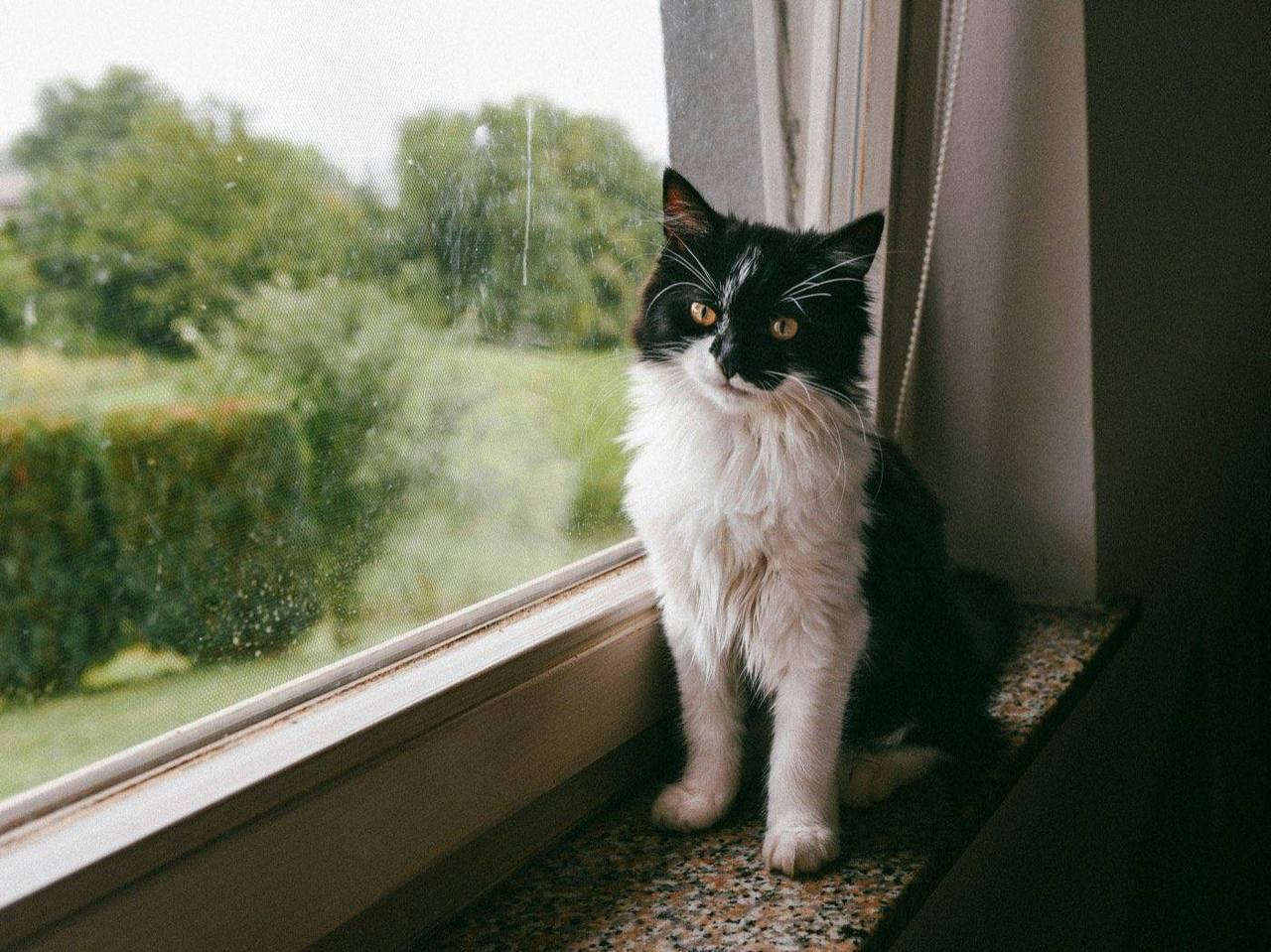
You did a good thing. You brought home a ten-year-old cat — the one nobody else wanted — and for three days she has been under the bed. She doesn’t come when you call. She eats only at night, if at all. And you’re starting to wonder: did I make a mistake?
You didn’t. This is what adopting a senior cat actually looks like at the beginning, and almost nobody tells you in advance. Older cats don’t bounce into a new home the way kittens do. They grieve the home they lost, they’re set in routines you know nothing about, and their trust takes weeks, not days. This guide is the week-by-week reality: what’s normal, what to do at each stage, and the small things that make the biggest difference.
What “Senior” Actually Means
First, a calibration. Cats are generally considered mature around 7–10 years and senior from about 11 years — you can see the full breakdown in our guide to cat years in human years (or run your new cat’s estimated age through the cat age calculator).
Here’s the reframe that matters: adopting a ten-year-old cat is not signing up for a year or two of hospice care. Indoor cats routinely live to 15–18, and many reach 20. You are likely committing to five to ten years of companionship — a middle-length relationship, not a short one. That’s worth planning for, not fearing.
The Honest Part: What You’re Signing Up For
Senior cats are the best-kept secret of the shelter world — calm, litter-trained, past the curtain-climbing phase. But honesty builds better adoptions than sentiment, so here’s the full picture:
- Annual bloodwork becomes normal. For a senior cat, vets typically recommend yearly (sometimes twice-yearly) wellness panels. Budget for a real vet relationship, not just emergency visits.
- Common conditions are common. Kidney disease, hyperthyroidism, dental disease, and arthritis are the big four of feline aging. Most are manageable for years when caught early — which is exactly what the baseline vet visit below is for.
- End-of-life will eventually be yours to navigate. Not today, maybe not for years. But choosing a senior cat means choosing to be the person who’s there for the hardest day, and owners who accept that upfront consistently say the years in between were worth it.
None of this is a reason not to adopt. It’s the reason the people who do adopt seniors are so fiercely loyal to the choice.
The Senior Cat 3-3-3: Adjustment on a Longer Clock
The classic 3-3-3 rule (3 days to decompress, 3 weeks to settle, 3 months to trust) applies to every new cat — we cover it in our new cat owner checklist. Senior cats follow the same three phases, but the clock stretches — and it stretches unevenly:
- 3 days → often 1–2 weeks. The decompression phase is where seniors take the most extra time, because they’re grieving a previous home, not just adjusting to a new one.
- 3 weeks → 3–4 weeks. The settling-in phase runs slightly longer as older cats test new territory more cautiously.
- 3 months → about the same. Once a senior cat decides to trust, the timeline converges — and the bond tends to run deeper than a kitten’s easy affection.
Here’s what each phase looks like:
Phase 1 (the “3 days,” stretched): Weeks 1–2 — the hiding phase
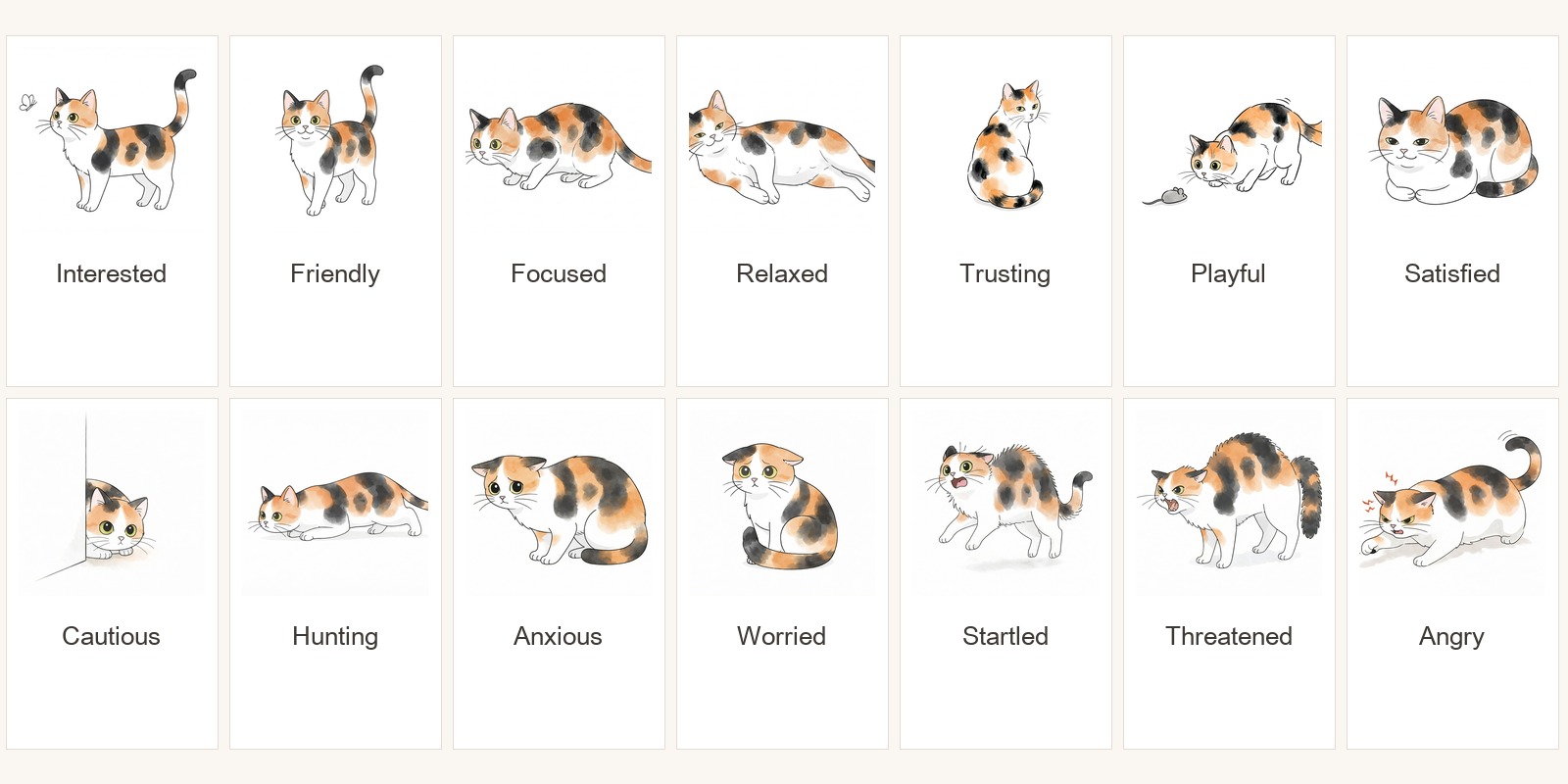
Your cat is grieving. Whatever her life was before — a decade with one owner, a shelter room — it was her entire world, and it vanished. Hiding, refusing interaction, and eating only at night are all normal. So is yowling at night in some cats.
What to do: Set up a single safe room with food, water, and a litter box in separate corners. Keep a predictable routine. Spend time in the room doing something quiet — reading, working — without approaching her, staring at her, or trying to touch her. You are teaching her that your presence is neutral, then safe.
Red flag: No food at all for more than 24 hours, or hiding plus visible breathing difficulty. That’s vet-now, not adjustment.
Phase 2 (the “3 weeks,” stretched): Weeks 3–4 — the testing phase
She starts coming out — at first when you’re not looking, then while you are. She may eat in your presence, watch you from doorways, or allow a single sniff of your hand before retreating.
What to do: Expand her territory one room at a time. Start a simple log: how much she eats, how often the litter box is used. This becomes your baseline for every future “is she okay?” question.
Phase 3 (the “3 months,” converging): Months 2–3 — the attachment phase
She seeks you out. She sleeps in the room you’re in, maybe on you. Here’s what veteran senior-cat adopters will tell you: the trust of an older cat, once earned, tends to run deep. Kittens love easily; seniors love deliberately.
The First Vet Visit: Your Baseline Checklist
Within the first two weeks, book a wellness visit. Shelter records for senior cats are usually incomplete, so this visit creates the baseline everything else gets compared against:
- Full blood panel, including kidney values (SDMA). Kidney disease is the most common senior-cat condition, and SDMA catches it earlier than older tests.
- Thyroid (T4). Hyperthyroidism is extremely common in cats over ten and very treatable.
- Dental exam. Dental disease is painful, affects eating, and is rampant in older cats.
- Weight and body-condition score. Your reference point for the coming months.
- Vaccination and microchip check. Update records; confirm the chip is registered to you.
Ask the clinic for a copy of everything. When something changes six months from now, “compared to her baseline” is the most useful sentence you can give a vet.
The Shutdown Cat Playbook
For the cat who won’t come out at all, these are the moves that work:
- Feed on a schedule, not free-choice. Meals at set times teach her that food arrives with you. If she only eats at night, sit quietly in the room at feeding time anyway.
- Make the safe room genuinely safe. One room, her rules. Food and water on one side, litter box on the other, a covered hiding spot she can keep — never drag her out of it.
- The don’ts matter more than the dos. No forcing contact, no staring contests, no rearranging the furniture, no housewarming party. Every forced interaction resets the clock.
- Watch for progress markers, not milestones. Food gone overnight = progress. Litter box used = progress. Watching you from the doorway = progress. Senior cats improve in inches, and inches count.
Normal Aging vs. Call the Vet
New senior-cat owners worry about everything. This table is the baseline most vets would give you:
| What you see | Usually normal | Call the vet when |
|---|---|---|
| Sleeping most of the day | ✓ (seniors sleep 16–18 hours) | Lethargy plus not eating |
| Hiding at first | ✓ (weeks 1–2) | Hiding past week 3–4 with no improvement |
| Occasional hairball | ✓ | Vomiting weekly or more |
| Not eating at first | ✓ up to 24 hours | No food for 24h+, or any kitten/senior medical history |
| Drinking more than a kitten would | ✓ modest increase | Emptying the bowl noticeably faster week over week (kidney/thyroid signal) |
| Slower to jump up | ✓ mild stiffness | Crying when moving, stopping using the litter box (can be pain) |
| Weight loss over months | ✗ never “just aging” | Always investigate — weight loss in a senior cat is a symptom, not a phase |
Small Upgrades, Outsized Impact
Senior-cat owners consistently point to a handful of cheap changes that make an outsized difference. Every one of these comes from real owner reports:
- Daily brushing. Senior cats groom less effectively, which means more hairballs and more vomiting. A two-minute daily brush does the work their tongue can’t.
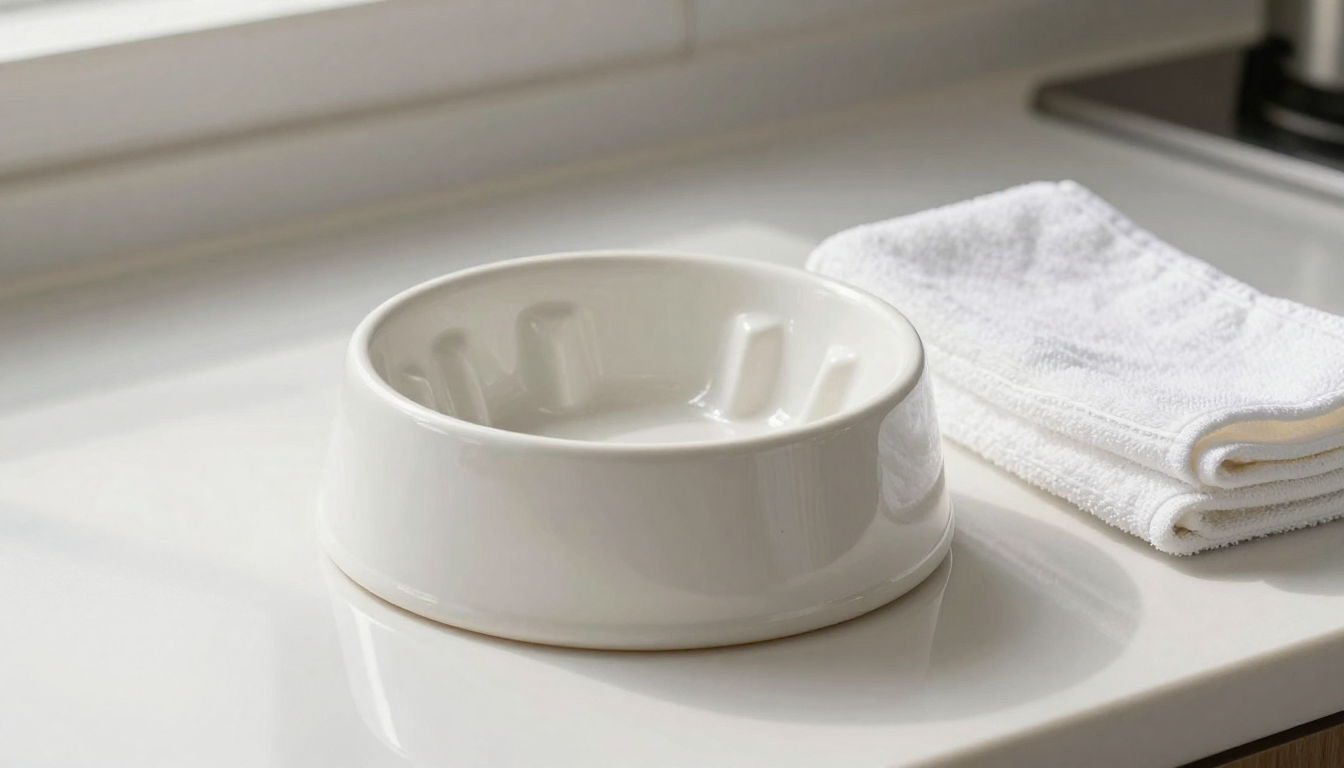
- Stainless steel or ceramic bowls. Plastic scratches harbor bacteria and are linked to feline chin acne — a problem that often appears “out of nowhere” in older cats. See our ceramic vs plastic comparison and best ceramic cat bowls.
- A low-entry litter box. Arthritis makes high-sided boxes painful to enter; “accidents” beside the box are often a box problem, not a behavior problem.
- A humidifier in dry seasons. Older cats are prone to nasal congestion and dry airways, especially in winter heating season.
- A water fountain. Senior kidneys need every bit of hydration they can get, and many cats drink noticeably more from moving water — we cover the urinary-health angle in our cat water fountain guide (coming soon).
- A warm bed. Heat soothes arthritic joints, and a heated bed often becomes a senior cat’s favorite place in the house within days.
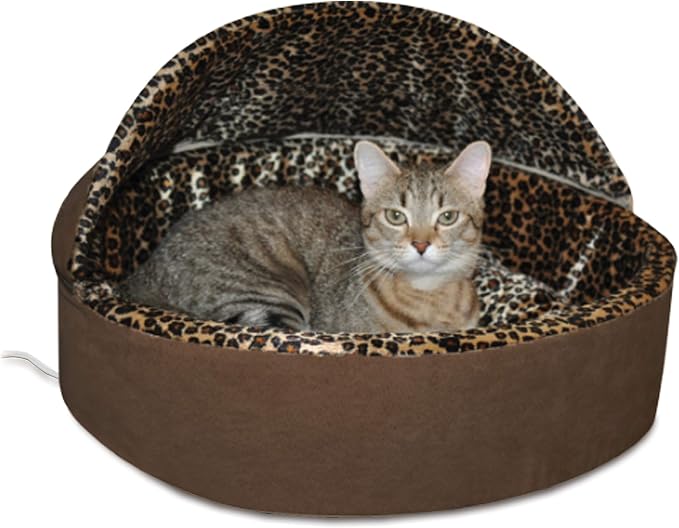 Comfort Upgrade
K&H Thermo-Kitty Bed Deluxe Heated Cat Bed
Best For: Senior cats with stiff joints, cold rooms, winter
Material: Soft foam walls, removable heater, hooded
Capacity: For cats up to ~15 lb
What We Like
- Gentle low-wattage warmth designed for pets
- Hood gives hiding-prone cats a secure den
- Removable heater — usable year-round
- Machine-washable cover
What We Don't Like
- Must stay plugged in while in use
- Leopard print isn't for every living room
- Some cats ignore heated beds at first — give it a week
 Joint-Friendly
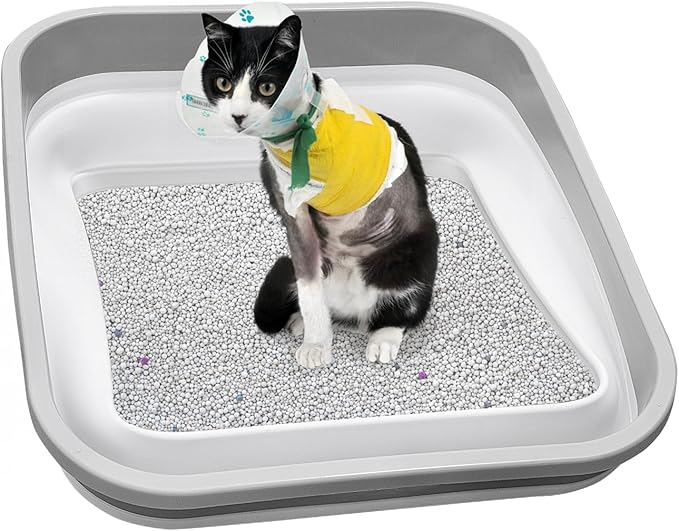
Maohegou Senior Cat Litter Box (Low Entry)
Best For: Arthritic, frail, or stiff senior cats
Material: Open plastic pan, low step-in entry
Capacity: Large footprint for big cats
What We Like
- Very low entry — no jumping or climbing required
- Open top makes entry and monitoring easy
- Sized for large and elderly cats
- Simple to clean
What We Don't Like
- Open design means some litter scatter
- No odor containment — scoop daily
- Bulky for small bathrooms
Frequently Asked Questions
Frequently Asked Questions
Is adopting a senior cat a good idea?
For most households, yes. Senior cats are calm, litter-trained, and past the destructive kitten phase, and indoor cats commonly live to 15–18 or beyond — a ten-year-old cat can mean five to ten years of companionship. The trade-offs are predictable vet costs as they age and a slower adjustment period at the start. Owners who adopt seniors consistently report the bond is worth both.
How long does a senior cat take to adjust to a new home?
Longer than a kitten, following the same three phases as the classic 3-3-3 rule but on a stretched clock: the '3 days' of hiding often becomes 1–2 weeks for seniors (they're grieving a previous home, not just adjusting), the '3 weeks' of settling becomes 3–4 weeks, and the '3 months' to trust stays about the same — the timeline converges once they decide to trust. Consistent routine and zero forced contact are what shorten it.
Why is my newly adopted senior cat hiding and not eating?
Hiding is the standard decompression behavior — her whole world changed overnight, and hiding is how cats process that. Eating only at night is also common in the first days. Give her a single safe room, scheduled meals, and quiet company without direct attention. The red lines: no food at all for more than 24 hours, hiding past 3–4 weeks with zero improvement, or any breathing difficulty — those mean a vet visit, not more patience.
What should I feed a senior cat?
Start with whatever she was eating before — a diet change on top of a home change is unnecessary stress. After she settles (2–3 weeks), transition gradually if needed. Senior cats benefit from quality protein and strong hydration; wet food or a mixed routine helps kidney health. If she arrives with a diagnosed condition, your vet may prescribe a specific diet — that always takes priority.
How much veterinary care does a senior cat need?
Plan on a baseline wellness visit within the first two weeks (blood panel with kidney values, thyroid, dental exam, weight check), then annual wellness panels — some vets recommend twice yearly for cats over 12. Most age-related conditions are manageable for years when caught at routine visits rather than emergencies, which is exactly what the baseline is for.
Can a senior cat bond with a new owner?
Yes — and deeply. The adjustment is slower than with a kitten, but that's the price, not the ceiling. Senior cats that come out of the hiding phase typically bond with real intensity: they follow their person room to room and choose them as their safe place. A decade of being someone's cat doesn't disappear; it transfers to the person who was patient enough to wait for it.
The Bottom Line
Adopting a senior cat is a slow first month and a wonderful next ten years. The hiding ends — usually sooner than you fear. The baseline vet visit turns anxiety into data. The small upgrades (daily brushing, better bowls, a low-entry litter box, warmth, water) do more for her comfort than anything you can buy her later.
For the practical setup side, our new cat owner checklist covers the shopping list and home prep in detail, and the cat age calculator puts her age in human terms — helpful perspective when you’re explaining to friends why you adopted a “grandma.” More guides live in our care guides section.
She’s under the bed right now. That’s fine. She’ll be on it soon enough.