Bringing a cat home is one of the most rewarding decisions a pet owner can make, but the first month is also when many adoptions run into trouble. Animal shelters consistently report that housing issues, behavior problems, and unrealistic expectations about adjustment time are among the most common reasons cats come back. Many of those challenges can be reduced when new owners understand what the first 30 days actually look like.
This guide is built around the 3-3-3 rule, a framework used by shelters and rescue organizations to set realistic expectations for newly adopted pets. You will get a complete shopping checklist, a day-by-day plan for the first week, and a free printable checklist you can keep on your fridge. We also point out the mistakes that cause the most stress for both cats and owners.
A note on sources: The recommendations below are based on adoption guidance from the ASPCA, Best Friends Animal Society, the American Association of Feline Practitioners (AAFP), the Cornell Feline Health Center, and the American Veterinary Medical Association (AVMA). This article contains affiliate links, which means we may earn a small commission at no extra cost to you. Our recommendations are chosen independently, and brands do not pay for placement.
Medical disclaimer: This article is for educational purposes only and is not a substitute for professional veterinary advice. If you have concerns about your cat’s health, contact your veterinarian.
What Is the 3-3-3 Rule for Cats?
The 3-3-3 rule is a simple timeline that describes how long most newly adopted cats need to fully adjust to a new home. While individual cats vary, the rule gives owners a useful mental model so they do not misread normal stress as permanent behavior problems.
3 Days to Decompress
The first three days are about survival, not bonding. Your cat has been through transport, a new environment, unfamiliar smells, and possibly a recent stay at a shelter. During this period, most cats want a small, quiet space where they can hide and observe without pressure.
Best Friends Animal Society recommends setting up a single “safe room” with food, water, litter, and hiding spots before the cat arrives. Do not force interaction. Let the cat come out of the carrier on their own, and accept that they may spend the first day or two under a bed or behind furniture.
3 Weeks to Settle In
By the end of three weeks, most cats have started to understand the household routine. They know when meals happen, where the litter box is, and which areas feel safe. This is when you can gradually expand access beyond the safe room and begin structured play sessions.
The Cornell Feline Health Center emphasizes that predictable routines reduce stress-related behaviors such as inappropriate elimination or excessive hiding. Keep feeding times, play times, and sleep areas consistent during this window.
3 Months to Fully Trust
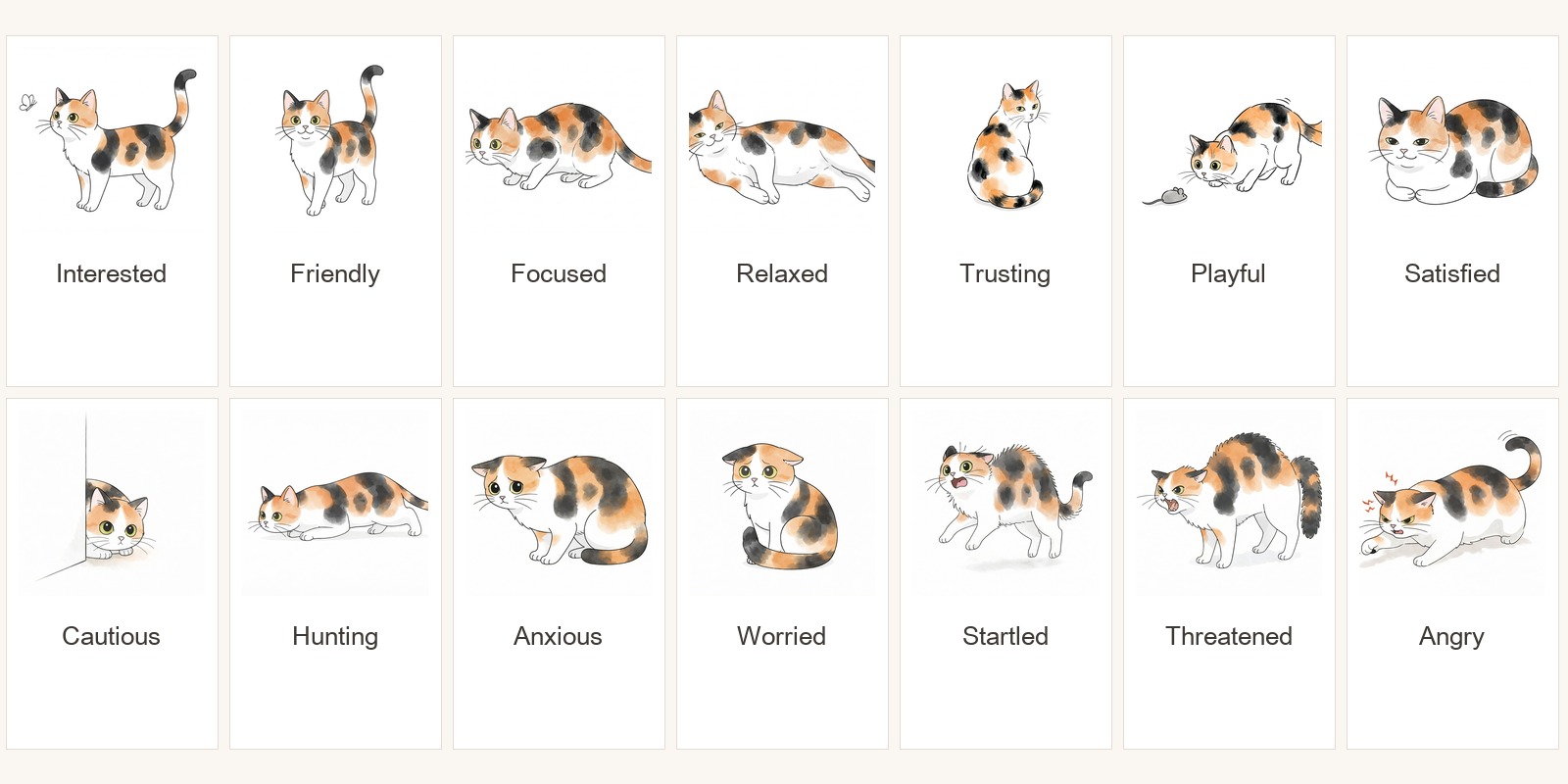
After about three months, a well-managed adoption usually reaches a stable state. The cat treats the home as territory, shows relaxed body language, and has formed bonds with family members. Shy or previously traumatized cats may take longer, and that is normal.
The key lesson of the 3-3-3 rule is patience. A cat that hides for a week is not a “bad” cat; a cat that does not want to be held immediately is not unfriendly. They are simply adjusting at their own pace.
Before You Bring Your Cat Home: The Shopping Checklist
Having the right supplies ready before adoption day removes a major source of stress. You do not need to buy everything at once, but the essentials below should be in place before the cat arrives.
Food and Water Essentials
Start with the same food the shelter, breeder, or previous owner was feeding. Sudden diet changes are a common cause of diarrhea during the first week. If you want to switch brands later, transition gradually over 7 to 10 days.
- Food bowls. Ceramic or stainless steel bowls are generally preferred over plastic, which can harbor bacteria and has been associated with feline chin acne in some cats. Look for a wide, shallow dish to reduce whisker fatigue. Our ceramic cat bowls guide explains what to look for.
- Water source. A clean water bowl refreshed daily is sufficient, but some cats drink more from a fountain because moving water is more appealing. Place water away from food; cats instinctively avoid drinking near their prey site.
- Treats. Small, healthy treats are useful for bonding, but they should make up less than 10 percent of daily calories.
 Food & Water Pick
LE TAUCI Cat Food Bowl Ceramic
Best For: New cat owners who want whisker-friendly dishes
Material: Food-grade ceramic
Capacity: 8 oz
What We Like
- Wide and shallow to reduce whisker fatigue
- Heavy enough to resist tipping
- Microwave and dishwasher safe
- Lead-free glaze
What We Don't Like
- Smaller capacity than deep bowls
- Ceramic can chip if dropped
Litter and Cleanup
The AAFP recommends one litter box per cat plus one extra, placed in quiet, accessible locations. For a single new cat, start with at least one large, uncovered box in the safe room.
- Litter box. Choose a box at least 1.5 times the length of your cat. Many cats dislike covered boxes because they trap odors and limit escape routes.
- Litter. Unscented clumping litter is the safest default. Strong perfumes can deter cats from using the box.
- Scoop and mat. Scoop at least once daily. A litter mat outside the box reduces tracking.
- Enzyme cleaner. Accidents happen during adjustment. An enzymatic cleaner breaks down urine odors so the cat is not drawn back to the same spot.
 Litter Box Pick
PetFusion BetterBox Non-Stick Large Litter Box
Best For: Adult cats and multi-cat homes
Material: ABS plastic
Capacity: 22.6 x 18.1 x 8 in
What We Like
- High sides reduce scatter
- Large surface area for big cats
- Non-stick coating for easier cleaning
- Open design preferred by most cats
What We Don't Like
- Takes up more floor space
- Non-stick coating may wear over time
- Price has roughly doubled — a plain large open pan is a fine budget fallback
Sleep and Hiding
Cats need places to hide that feel enclosed and secure. A new cat will often ignore an expensive bed in favor of a cardboard box, so provide both.
- Covered bed or cave. A soft, enclosed bed gives the cat a place to retreat.
- Cardboard boxes. Free, replaceable, and almost universally loved.
- Elevated perch. Cats feel safer when they can observe from above. A window perch or cat tree satisfies this instinct.
 Bed Pick
Best Friends by Sheri The Original Calming Donut Cat Bed
Best For: Cats that like to curl up and hide
Material: Plush faux shag fur
Capacity: Small 23 x 23 in
What We Like
- Raised rim creates sense of security
- Machine washable (small size)
- Soft, insulating material
- Water- and dirt-resistant base
What We Don't Like
- May flatten over time
- Large sizes require cover removal for washing
Scratching and Play
Scratching is a normal feline behavior that marks territory, stretches muscles, and maintains claw health. Provide acceptable outlets from day one.
- Scratching post. Offer both vertical and horizontal options to learn your cat’s preference. Sisal rope or cardboard are durable choices.
- Wand toy. Interactive play builds confidence and burns energy. Avoid laser pointers, which can cause frustration because the cat can never “catch” the target.
- Puzzle feeder. A simple treat-dispensing ball engages natural hunting behavior and slows down food-obsessed cats.
 Play Pick
GoCat Cat Catcher Teaser Wand with Mouse
Best For: Bonding and confidence building
Material: Braided wire wand, mouse
Capacity: Interactive use
What We Like
- Mimics prey movement to trigger hunting instinct
- Strong owner reviews for engagement
- Replaceable mouse attachments available
- 12-inch wand is easy to control
What We Don't Like
- Wire should be stored out of reach between sessions
- Mouse attachment wears out with heavy play
Safety and Health
- Breakaway collar with ID tag. Even indoor cats should wear identification. A breakaway collar releases if it gets caught.
- Carrier. A hard-sided or sturdy soft carrier is essential for vet visits. Get the cat used to it before the first trip by leaving it open in the safe room with a treat inside.
- Microchip. Research summarized by the AVMA shows microchipped cats are far more likely to be reunited with their owners if lost. Verify that the registration is transferred to you after adoption.
Optional but Helpful
- Automatic feeder. Useful for maintaining consistent meal times if you are away during the day. See our automatic cat feeder guide for recommendations.
- Feliway diffuser. This synthetic pheromone diffuser can help some cats feel safer in a new environment. It is not a sedative and works best when combined with environmental management.
- Pet camera. Helpful for monitoring a shy cat’s behavior when you are not in the room.
- Grooming tools. A soft brush, nail trimmers, and cat-safe toothpaste set the stage for lifelong grooming habits.
How to Prepare Your Home
Set Up a Safe Room
Choose a quiet room with a door that closes fully. A spare bedroom or bathroom works well. Place the litter box on one side of the room and food and water on the opposite side. Provide at least two hiding spots at different heights: one on the floor and one elevated.
The ASPCA advises keeping the safe room free of hiding spots that are dangerous or inaccessible to you, such as gaps behind appliances or inside box springs. Block off these areas before the cat arrives.
Cat-Proof the Whole House
Even if the cat will start in one room, they will eventually explore the rest of the home. Address these hazards before day one:
- Windows and balconies. Ensure screens are secure. Cats can push through loose screens or fall from high windows.
- Electrical cords. Bundle and conceal cords. Kittens especially may chew on them.
- Toxic plants. Lilies are extremely toxic to cats and can cause kidney failure. Pothos, philodendron, and sago palms are also dangerous. Remove them or place them completely out of reach.
- Cleaning supplies and medications. Store these in closed cabinets. Cats can open some cabinet doors, so child locks may be necessary.
- Trash cans. Use cans with secure lids to prevent scavenging.
- Small objects. Rubber bands, hair ties, string, and small toys can become intestinal obstructions if swallowed.
Create Vertical Space
Cats are vertical animals. They feel safer when they can climb and observe. If space allows, add a cat tree, wall shelves, or at least a window perch. Vertical space is especially important in multi-cat homes because it allows cats to share territory without direct confrontation.
The First 24 Hours: What to Expect
Adoption day should be low-key. Bring the cat home in a secure carrier and go straight to the safe room. Open the carrier door, but do not pull the cat out. Let them exit when they are ready.
- Food and water. Offer a small amount of familiar food and fresh water. Do not be alarmed if they do not eat for the first 12 to 24 hours; stress often suppresses appetite.
- Litter box. Show the box by gently placing the cat near it, but do not force them inside.
- Interaction. Sit quietly in the room and speak softly. Avoid staring, which cats can interpret as a threat.
- Noise and visitors. Keep the household calm. Do not invite guests over for the first few days.
It is normal for a new cat to hide, refuse food, or vocalize during the first night. These behaviors usually improve within 48 to 72 hours.
Week-by-Week Checklist for New Cat Owners
Week 1: Decompression
- Keep the cat in the safe room.
- Maintain a quiet environment with minimal foot traffic.
- Offer the same food the shelter or previous owner used.
- Scoop the litter box daily.
- Engage in 10 to 15 minutes of gentle play once or twice a day.
- Schedule a wellness exam with your veterinarian.
Week 2: Building Trust
- Sit quietly in the room while the cat eats.
- Offer treats from your hand without forcing contact.
- Begin short, gentle brushing sessions if the cat tolerates it.
- Watch litter box habits, appetite, and energy level.
Week 3: Expanding Territory
- Open the safe room door for supervised exploration.
- Place scratching posts in main living areas.
- Establish a consistent daily routine for feeding and play.
- Rotate toys to maintain interest.
Week 4 and Beyond
- Allow full home access if the cat seems confident.
- Continue daily play and enrichment.
- Monitor weight and behavior.
- Set up a long-term preventive care schedule with your vet.
Common Mistakes New Cat Owners Make
Letting the cat roam the whole house immediately. Freedom too soon can overwhelm a cat and lead to hiding accidents or avoidance behaviors. Start small.
Forcing affection. Picking up or petting a frightened cat can damage trust. Let the cat initiate contact.
Buying the wrong litter box. A box that is too small, too covered, or placed in a high-traffic area can cause litter box avoidance.
Feeding the wrong food. Dog food, too many treats, or a sudden brand change can cause digestive upset.
Skipping the vet visit. Even a cat that looks healthy should have a wellness exam within the first week. This establishes a baseline and catches hidden issues early.
Introducing other pets too quickly. The AAFP recommends a slow, staged introduction process that can take weeks. Rushing it can create long-term conflict.
Punishing fear-based behaviors. Hissing, swatting, or hiding are fear responses, not defiance. Punishment makes them worse.
When to Call the Vet
Most first-week behaviors are normal stress responses, but some symptoms require prompt veterinary attention. Contact your vet if you notice any of the following:
- Not eating for more than 24 hours
- No urination in 24 hours, or straining in the litter box
- Repeated vomiting or diarrhea lasting more than a day
- Lethargy, weakness, or collapse
- Difficulty breathing
- Sudden behavior changes, especially hiding combined with refusal to eat
If you suspect your cat has eaten something toxic, contact your veterinarian or the ASPCA Animal Poison Control Center immediately.
Download Your Free New Cat Owner Checklist
The first 30 days with a new cat involve dozens of small tasks. To make it easier, we created a free printable checklist that includes:
- A complete pre-adoption shopping list
- The 3-3-3 rule timeline
- A first-week daily task checklist
Keep it on your fridge or in your adoption folder so nothing slips through the cracks.
Frequently Asked Questions
Frequently Asked Questions
What is the 3-3-3 rule for cats?
The 3-3-3 rule is an adoption guideline: 3 days to decompress, 3 weeks to settle into a routine, and 3 months to fully trust and feel at home. It is used by many shelters and rescue organizations to set realistic expectations for newly adopted pets.
What should I buy before adopting a cat?
Essentials include food and water bowls, cat food, a litter box and litter, a carrier, a bed or hiding spot, a scratching post, toys, a breakaway collar with ID, and an enzyme cleaner. Optional items include an automatic feeder, water fountain, Feliway diffuser, and pet camera.
How long should I keep a new cat in one room?
Most cats benefit from 3 to 7 days in a safe room. Confident cats may be ready sooner, while shy or traumatized cats may need 1 to 2 weeks. Let the cat's behavior guide the timeline.
Should I leave my new cat alone on the first night?
Yes. Give the cat space to explore the safe room quietly. You can sleep nearby if possible, but avoid forcing interaction or handling.
Why is my new cat hiding and not eating?
Hiding and reduced appetite are common stress responses during the first 24 to 72 hours. Make sure food, water, and litter are easily accessible. If the cat has not eaten within 24 hours, contact a veterinarian.
Can I let my new cat sleep in my bed right away?
Let the cat choose. Some cats seek closeness immediately, while others need days or weeks. Never force a cat onto the bed or into your lap.
How do I introduce my new cat to other pets?
Wait at least 1 to 2 weeks. Use scent swapping, barrier feeding on opposite sides of a closed door, and supervised short meetings. The process can take weeks and should never be rushed.
What type of litter box is best for a new cat?
A large, uncovered litter box with low sides is usually best. It should be at least 1.5 times the length of your cat. Place it in a quiet, accessible location away from food and water.
Should I change my new cat's food right away?
No. Feed the same food the shelter or previous owner used, then transition gradually over 7 to 10 days if you want to switch brands. Sudden changes can cause diarrhea.
How can I tell if my new cat is happy?
Signs of a happy cat include relaxed body language, regular eating and drinking, consistent litter box use, exploration, play behavior, and slow blinking. Learn more in our cat body language guide.
Is it normal for a new cat to hiss at me?
Yes. Hissing is a fear signal, not aggression. It means the cat wants space. Back away, avoid eye contact, and let the cat approach you when ready.
When should I take my new cat to the vet?
Schedule a wellness exam within the first week of adoption. Seek urgent care if your cat refuses food for more than 24 hours, cannot urinate, vomits repeatedly, has diarrhea lasting more than a day, or shows signs of lethargy or difficulty breathing.
Final Thoughts
The most important supply you can give a new cat is patience. Some cats walk into a home as if they have always lived there. Others need weeks or months to show their true personality. Both outcomes are normal.
Use the 3-3-3 rule as a framework, not a deadline. Focus on creating a predictable, low-stress environment, and let the cat set the pace for bonding. The trust you build during the first 30 days often determines the quality of your relationship for the next 10 to 15 years.
If you found this guide helpful, share it with someone preparing to adopt a cat, and download the free printable checklist to keep the first month organized.
Sources
- American Society for the Prevention of Cruelty to Animals (ASPCA). “Cat Care.” https://www.aspca.org/pet-care/cat-care
- Best Friends Animal Society. “The 3-3-3 Rule for Adopted Pets.” https://resources.bestfriends.org/article/3-3-3-rule-adopting-pet
- American Association of Feline Practitioners (AAFP). “Cat Friendly Homes: Introducing a Cat.” https://catfriendly.com/be-a-cat-friendly-caregiver/adopting-a-cat/introducing-a-cat/
- Cornell Feline Health Center. “Feeding Your Cat.” https://www.vet.cornell.edu/departments-centers-and-institutes/cornell-feline-health-center/health-information/feline-health-topics/feeding-your-cat
- American Veterinary Medical Association (AVMA). “Microchips Reunite Pets with Families.” https://www.avma.org/resources-tools/pet-owners/petcare/microchips-reunite-pets-families
- International Cat Care / ISFM. “Environmental Needs of the Cat.” https://icatcare.org/advice/environmental-needs/
Product notes: All Amazon ASINs and product images were verified at the time of writing (July 2026). Star ratings, review counts, and prices are snapshots and may change. Always confirm the current listing before purchasing.