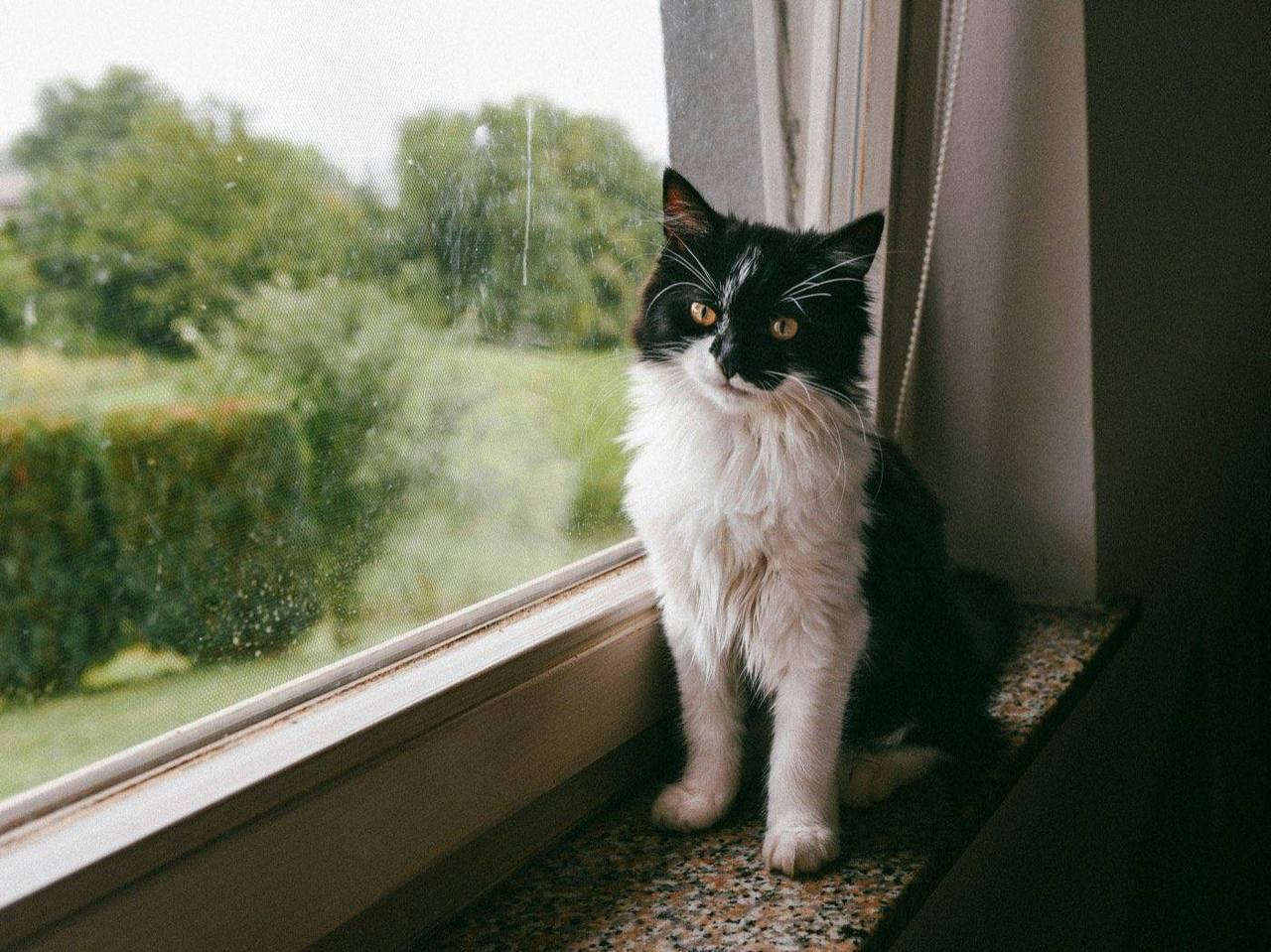
Most cat owners have heard the old rule that one cat year equals seven human years. It is easy to remember, and it is also wrong. A one-year-old cat is not a seven-year-old child — it is closer to a sixteen-year-old teenager, and a two-year-old cat is the equivalent of a young adult of twenty-one. Cats sprint through their early development and then slow down, which is why a straight “multiply by seven” formula breaks down almost immediately.
This guide explains the conversion model veterinarians actually use, gives you a complete cat-years-to-human-years chart, and lets you calculate your own cat’s age with the tool below. We also break down what each life stage means for your cat’s health, so the number is useful rather than just a fun fact.
A note on sources: The conversion figures in this article follow the age-comparison guidance published by the Cornell Feline Health Center at Cornell University’s College of Veterinary Medicine, and the life-stage definitions follow the 2021 AAHA/AAFP Feline Life Stage Guidelines. This article contains affiliate links, which means we may earn a small commission at no extra cost to you. Our recommendations are chosen independently.
Medical disclaimer: This article is for educational purposes only and is not a substitute for professional veterinary advice. If you have concerns about your cat’s health, contact your veterinarian.
Cat Years to Human Years Calculator
Use the calculator below to convert your cat’s age into human years. Enter the years and any additional months, then calculate to see the human-age equivalent and the life stage your cat is in.
The 16-5-4 Rule: How Cat Years Actually Work
The conversion used here follows the age-comparison model published by the Cornell Feline Health Center:
- Year 1 is equivalent to about 16 human years. By twelve months, a cat has passed through infancy, childhood, and early adolescence and reached sexual maturity.
- Year 2 adds about 5 more human years, bringing the total to roughly 21. A two-year-old cat is a fully grown young adult.
- Every year after that adds about 4 human years. Aging slows considerably once a cat reaches physical maturity, so a ten-year-old cat is around 53 in human terms rather than 70.
Cornell summarizes the rule this way: a one-year-old cat is physiologically similar to a 16-year-old human, a two-year-old cat is like a person of 21, and for every year thereafter each cat year is worth about four human years. On that basis a ten-year-old cat is comparable to a 53-year-old person, a twelve-year-old cat to a 61-year-old, and a fifteen-year-old cat to a person of 73. This is the same model our Cat Age Calculator uses.
Why the “Multiply by Seven” Myth Fails
The seven-year rule assumes cats age at a steady, linear rate. They do not. A kitten reaches developmental milestones in months that take a human child years — teeth erupting, weaning, puberty, and full skeletal growth all happen inside the first year. If you applied “times seven” to a one-year-old cat, you would call it a seven-year-old, which dramatically understates how mature it actually is. The rule only looks roughly correct for cats in the narrow middle of their lives, and even then it drifts.
The 16-5-4 model is not a perfect biological measurement either — there is no single curve that maps one species’ aging onto another’s — but it tracks the real pattern of feline development far better than a flat multiplier, and it is the version used in client education by veterinary organizations.
Complete Cat Years to Human Years Chart
The table below maps cat age to human age using the 16-5-4 model from the Cornell Feline Health Center. The first two years are shown in detail because that is where aging is fastest and most uneven. Values are rounded estimates, not exact conversions.
| Cat Age | Human Years (approx.) | Life Stage |
|---|---|---|
| 3 months | 4 | Kitten |
| 6 months | 8 | Kitten |
| 9 months | 12 | Kitten |
| 1 year | 16 | Young Adult |
| 2 years | 21 | Young Adult |
| 3 years | 25 | Young Adult |
| 4 years | 29 | Young Adult |
| 5 years | 33 | Young Adult |
| 6 years | 37 | Young Adult |
| 7 years | 41 | Mature |
| 8 years | 45 | Mature |
| 9 years | 49 | Mature |
| 10 years | 53 | Mature / Senior |
| 11 years | 57 | Senior |
| 12 years | 61 | Senior |
| 13 years | 65 | Senior |
| 14 years | 69 | Senior |
| 15 years | 73 | Super Senior |
| 16 years | 77 | Super Senior |
| 18 years | 85 | Super Senior |
| 20 years | 93 | Super Senior |
| 21 years | 97 | Super Senior |
A few patterns are worth noticing. The first two years are the steepest part of the curve: a cat reaches the equivalent of a 21-year-old human by age two, a level of maturity that takes a human more than two decades to reach. After year two, each additional year is a steady four human years, so the math becomes predictable: a seven-year-old cat at 41 is followed by an eight-year-old at 45, a nine-year-old at 49, and so on.
Quick Reference for Common Questions
- 9 cat years to human years → 9 is past the two-year mark, so 21 + (7 × 4) = 49 human years.
- 2 cat years to human years → 21 human years (the end of the fast-growth phase).
- 15 cat years to human years → 73 human years (entering super-senior territory).
- How old is a 3-year-old cat in human years? → 25.
- How old is a 6-year-old cat in human years? → 37.
Cat Life Stages Explained
Knowing the human-age number is more useful when you also know which life stage it falls in. The 2021 AAHA/AAFP Feline Life Stage Guidelines define four primary stages — Kitten, Young Adult, Mature, and Senior. Many veterinarians also use a fifth, informal “super senior” or geriatric stage for cats over fifteen, which we include here so owners of very old cats have guidance too.
Kitten (0–1 year)
The first year is the most intensive period of growth. Kittens move from total dependence on their mother to fully independent adults in roughly twelve months. Core vaccinations are completed during this window, spay or neuter surgery is typically scheduled, and socialization early in this stage shapes lifelong confidence and tolerance of handling. Feeding is specialized too — kittens need calorie-dense, growth-formulated food and frequent meals to fuel their development.
Young Adult (1–6 years)
Roughly equivalent to a human from their mid-twenties into their early forties, the young adult cat is physically mature and usually at peak energy. This is the stage where preventive care pays off: annual wellness exams, dental assessment, weight monitoring, and steady enrichment keep the cat on a healthy trajectory. Cats in this stage often slow down only when they are bored or overweight, so play and portion control matter more than age-specific food.
Mature (7–10 years)
Mature cats are comparable to humans in their mid-forties to mid-fifties. They are still active and capable, but this is the window where veterinarians begin watching for the early signs of conditions that become common later — kidney changes, dental disease, and weight gain from a slowing metabolism. Annual exams with baseline bloodwork become more valuable here, and nutrition may shift to accommodate a slightly lower activity level.
Senior (11–14 years)
Senior cats, roughly equivalent to humans from their late fifties into their late sixties, often need adjustments to their environment and routine. Joints stiffen, senses dull, and chronic conditions such as kidney disease, hyperthyroidism, and arthritis become more prevalent. Semi-annual veterinary visits, bloodwork, blood-pressure checks, and urinalysis help catch problems early. Comfort matters too — lower-sided litter boxes, ramps to favorite spots, and easy-access food and water stations make daily life easier.
Super Senior / Geriatric (15+ years)
Cats past fifteen are sometimes called geriatric or super senior. The Cornell Feline Health Center notes that some cats in advanced age show few outward signs of being so senior, which is why close observation for subtle behavior changes is so important — a normally social cat that suddenly hides, grooms less, or changes habits may be signaling a problem. Veterinary care often shifts toward quality-of-life planning, pain management, and home modifications rather than curative goals.
How Long Do Cats Live?
Cats are living longer than they did in the past, and the Cornell Feline Health Center notes that there is every reason to expect the “graying” cat population to keep growing. Many cats begin to encounter age-related physical changes between seven and ten years of age, and most do so by the time they are twelve. Reaching the mid-to-late teens is common for well-cared-for cats, and a cat reaching twenty or beyond is uncommon but not extraordinary.
Whether a cat lives indoors or outdoors has a large effect on life expectancy, though not for the reason many people assume. The difference is driven mainly by risk exposure rather than intrinsic aging. The 2021 AAHA/AAFP guidelines include a lifestyle risk assessment because outdoor and indoor-outdoor cats face higher rates of trauma (vehicles, predators, falls), toxin exposure, infectious disease, and fights. Indoor cats, by avoiding most of these hazards, tend to live closer to the upper end of the typical range. The underlying aging process is similar either way — what changes is how likely a cat is to reach old age in the first place.
This is also why the calculator does not treat indoor and outdoor cats differently. Individual health, genetics, nutrition, and preventive care have a far larger impact on a given cat’s age-equivalent and life expectancy than lifestyle alone.
Using Your Cat’s Human Age: Health Milestones
The point of converting cat years to human years is not trivia — it is a prompt to give age-appropriate care. Here is what to focus on at each stage, as a starting point for conversations with your veterinarian.
- Kittens (0–1): Complete the core vaccination series, plan spay/neuter, establish litter training and socialization, and feed a growth-formulated diet on a frequent schedule.
- Young adults (1–6): Keep up annual wellness exams, monitor weight and body condition, begin dental home care, and build daily play and enrichment into the routine.
- Mature cats (7–10): Add baseline bloodwork and urinalysis, screen for early kidney and thyroid changes, maintain dental health, and adjust calories to prevent creeping weight gain.
- Seniors (11–14): Move to semi-annual exams, monitor blood pressure, support joint comfort, and make food, water, and litter access easier.
- Super seniors (15+): Focus on pain and mobility management, cognitive monitoring, frequent veterinary check-ins, and home comfort modifications.
Enrichment and Stress Support Across Life Stages
Two needs span almost every life stage: enough predatory play to stay physically and mentally sharp, and a low-stress environment — especially during the changes that aging brings. A senior cat adjusting to a new routine, a new pet, or simply the discomfort of stiff joints benefits from both.
 Best for Play
Go Cat Cat Catcher Teaser Wand with Mouse
Best For: Interactive play and hunting practice
Material: Fiberglass wand, faux-fur mouse lure
Capacity: One wand with mouse attachment
What We Like
- Encourages natural stalking behavior
- Lightweight and easy to maneuver
- Durable construction
- Helps redirect predatory energy away from hands
What We Don't Like
- Mouse attachment may wear with heavy use
- Supervision required
- Not a solo-play toy
A wand toy like the Go Cat Cat Catcher mimics the movement of prey, which lets a cat complete the hunting sequence of stalk, chase, pounce, and catch in a safe indoor setting. Regular predatory play helps maintain muscle tone and a healthy weight in young and mature cats, and it keeps senior cats mentally engaged without demanding more than their joints can handle.
 Best for Calming
FELIWAY Classic Cat Calming Diffuser Kit
Best For: Stress-related behaviors and anxious or senior cats
Material: Synthetic feline facial pheromone analog
Capacity: 48 mL vial, ~30 days
What We Like
- Clinically studied pheromone analog
- Covers up to 700 sq ft
- Easy plug-in design
- Widely used by veterinarians
What We Don't Like
- Takes 1–2 weeks to show full effect
- Diffuser head should be replaced every 6 months
- May not work for every cat
For senior and super-senior cats, environmental stress often comes from changes they can no longer adapt to as easily — reduced mobility, sensory decline, or household disruptions. The FELIWAY Classic Diffuser releases a synthetic copy of the feline facial pheromone cats deposit when they feel safe. Research suggests these pheromones can help reduce stress-related behaviors such as hiding, urine spraying, and inappropriate scratching in some cats, which is useful during transitions that aging cats find harder to tolerate.
How to Tell Your Cat’s Real Age If You Don’t Know It
Adopted and rescued cats often come without a known birth date. Veterinarians estimate age using a combination of physical clues rather than the calendar:
- Teeth. By around six months, a kitten has its adult teeth. The degree of wear, tartar buildup, and staining on those teeth is one of the most reliable age indicators, with heavier buildup generally suggesting an older cat.
- Eyes. Young cats have clear, bright eyes. Cloudiness, discharge, or changes in pupil responsiveness can suggest middle to older age, though eye changes also reflect health conditions rather than age alone.
- Coat and muscle. Young adults have sleek, well-muscle bodies and glossy coats. Mature and senior cats may show muscle loss, a coarser coat, or reduced grooming.
- Activity and behavior. A drop in playfulness, increased sleeping, or new hiding can signal that a cat is moving from mature into senior years.
These are estimates. A veterinarian is best positioned to judge, and an age estimate at adoption is just a starting point — the care plan should follow the cat’s actual health, not a guess at the birth date.
Frequently Asked Questions
Frequently Asked Questions
How many human years is one cat year?
There is no single number, because cats age unevenly. The first cat year is about 16 human years, the second adds about 5 (reaching 21 total), and each year after that is about 4 human years. So "one cat year" can mean anywhere from 4 to 16 human years depending on the cat's age.
Is the "one cat year equals seven human years" rule accurate?
No. Cats mature far faster than that rule suggests in their first two years. The 16-5-4 model — year one equals 16, year two adds 5, and each later year adds 4 — matches feline development much more closely and is the version used in veterinary client education.
When is a cat considered a senior?
The 2021 AAHA/AAFP Feline Life Stage Guidelines define cats over 10 years old as senior. Cats aged 15 and older are commonly called super senior or geriatric — a widely used label for the oldest life stage, beyond the four official AAHA/AAFP stages.
How old is a 15-year-old cat in human years?
About 73 human years. Using the 16-5-4 model, a 15-year-old cat is 21 (first two years) plus 13 × 4 (the remaining years), which equals 73. This places the cat in the super-senior life stage.
Do indoor and outdoor cats age differently?
The basic aging model is the same. The difference in life expectancy comes mainly from risk: outdoor cats face higher rates of trauma, toxin exposure, infectious disease, and fights. Indoor cats tend to live longer because they avoid those hazards, not because they age more slowly.
Can a cat age calculator replace a veterinary exam?
No. A calculator gives an age estimate for educational purposes only. Senior and super-senior cats especially need regular veterinary exams, bloodwork, and individualized health assessments that no tool can replace.
Related Cat Care Guides
- Cat Body Language Guide — Learn to read tail, ear, and posture signals at every age.
- New Cat Owner Checklist — The first 30 days, the 3-3-3 rule, and a free printable checklist.
- Best Ceramic Cat Bowls — Hygienic feeding setups that work for kittens through seniors.
- Best Automatic Cat Feeders — Portion control for mature cats prone to weight gain.
Have a dog too? Try our Dog Age Calculator for a size-based estimate, or use the full Cat Age Calculator for health milestones by life stage.