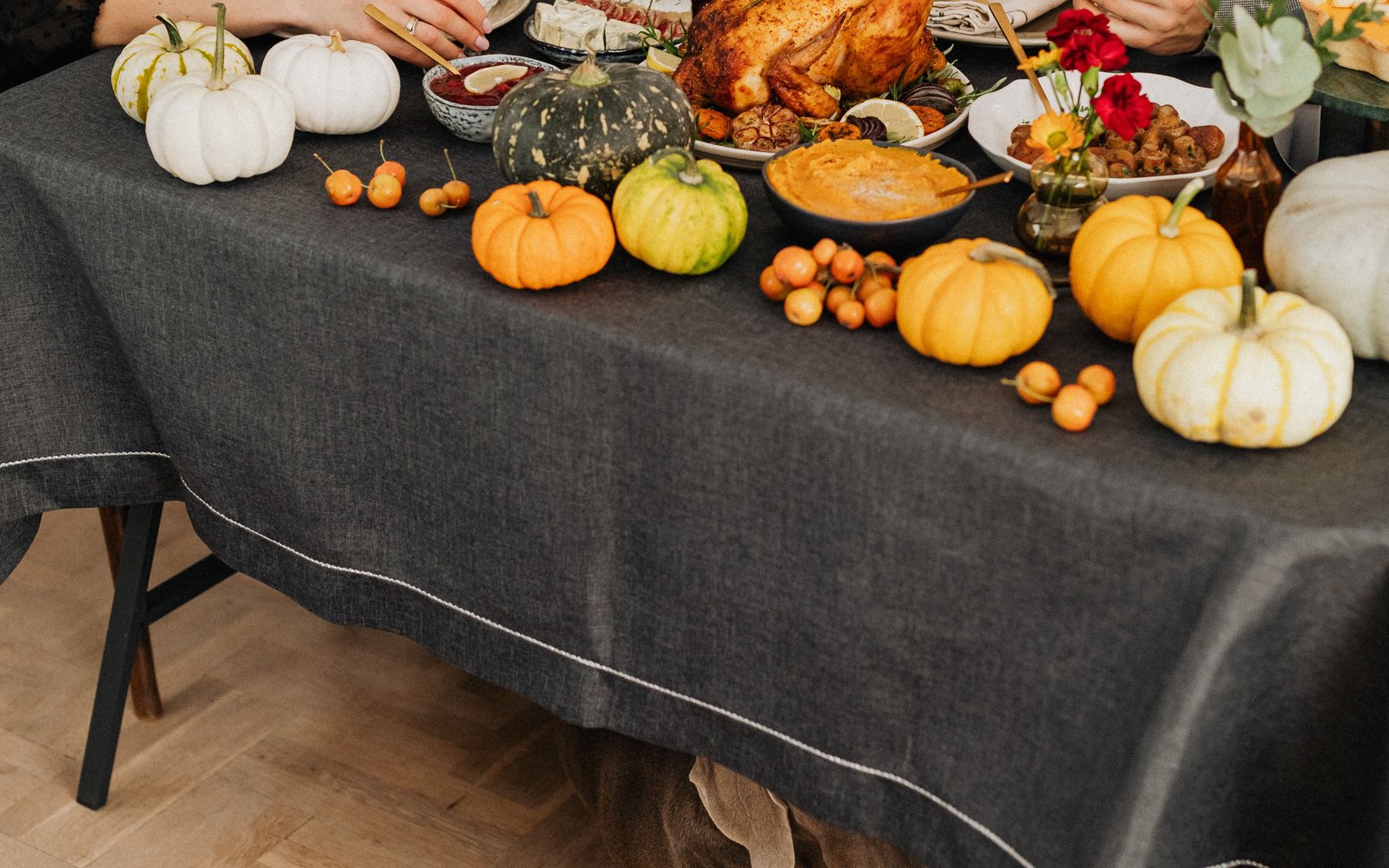
Thanksgiving is the one day a year when your kitchen produces more food, more smells, and more unattended plates than any other — and it happens while your house is full of guests who all think a little table scrap is a kindness. Veterinary emergency clinics report the same pattern every November: a spike in pancreatitis cases, onion-toxicity calls, and dogs who got into the turkey carcass while the humans were watching football.
A Thanksgiving meal rarely produces a single “toxic dose” moment. The danger is a dozen small handouts of fatty food, or one dog who clears the carving board while the kitchen is empty. Nearly every danger on the list is still preventable, with a two-minute read of the plate before anything gets handed down.
If your dog or cat has already gotten into something, skip ahead to the first-30-minutes section — but call first, read second.
If your pet has already eaten something risky — call a veterinarian or a poison hotline now, before symptoms start. In the U.S., the ASPCA Animal Poison Control Center (888-426-4435) and Pet Poison Helpline (855-764-7661) are staffed 24/7, including Thanksgiving Day. Our Pet Poison Triage wizard sorts red-flag symptoms in under a minute, and the Pet Toxin Lookup covers 107 substances with symptoms and first aid.
The Quick-Reference Plate Guide
Before the details, the whole table. “Toxic” means call a vet if eaten; “risky” means it depends on amount and recipe; “safe” means a small, plain portion is fine for most healthy adult pets.
| Plate item | Verdict | Why |
|---|---|---|
| Plain roasted turkey breast (skinless) | Safe — small portions | Lean protein; still a rich treat, so keep it to a bite or two |
| Turkey skin, fat trimmings, gravy | Dangerous | Fat triggers pancreatitis; gravy almost always contains onion/garlic |
| Stuffing / dressing | Toxic | Onion, garlic, leeks, butter — often in quantity per bite |
| Mashed potatoes (plain) | Mostly safe | Butter and milk can upset stomachs in quantity; keep the portion tiny |
| Green bean casserole | Risky | Onion + creamy fat; the classic version is not pet food |
| Plain green beans | Safe | A few plain steamed or raw beans are one of the best plate options |
| Candied yams / marshmallow-topped casserole | Risky to toxic | Sugar load, nutmeg, butter — and sugar-free versions may hide xylitol |
| Plain sweet potato | Safe | A small spoon of plainly cooked sweet potato is a safe treat |
| Pumpkin pie | Risky to toxic | Nutmeg, sugar, fat; sugar-free versions may contain xylitol |
| Plain pumpkin puree (not pie filling) | Safe | A spoon of plain puree is a classic vet-recommended treat |
| Dinner rolls | Mostly safe | Plain bread in small amounts is fine; raw dough is a separate emergency |
| Grapes or raisins (fruit tray, stuffing garnish) | Toxic | A known kidney toxin for dogs — no safe amount has been established |
| Corn on the cob | Dangerous | Kernels are fine; the cob is a leading cause of intestinal blockage |
| Turkey carcass / cooked bones | Dangerous | Cooked bones splinter; the carcass is an obstruction and perforation risk |
| Pecan / walnut pie | Risky to toxic | Nutmeg, fat, and macadamias in some recipes are toxic to dogs |
| Alcohol (glasses, rum cake, beer bread) | Toxic | Even small amounts cause dangerous drops in blood sugar and body temperature |
One rule settles most edge cases: the more a dish was cooked for humans — butter, salt, onion, sugar, seasoning — the less of it your pet should have.
The Three That Send Dogs to the ER Every November
Fat: The Pancreatitis Trigger Hiding in the Good Stuff
The single most common Thanksgiving emergency is not a poison — it is pancreatitis, and the trigger is fat. Turkey skin, pan drippings, gravy, buttery mashed potatoes, and the dark meat trimmings all deliver a fat load that a dog’s pancreas was never built to handle. Pancreatitis ranges from a miserable weekend of vomiting to a life-threatening inflammatory crisis, and small, overweight, or senior dogs are hit hardest.
The cruel part: symptoms arrive 12–72 hours after the meal, usually after guests have gone home and everyone has stopped watching the dog. A dog who got “just the skin and a little gravy” on Thursday can be vomiting and hunched in pain on Saturday. The trimmings belong in the trash, not the dog bowl — no exceptions for big dogs.
Onion, Garlic, and the Stuffing Problem
Stuffing and gravy are the stealth toxins of Thanksgiving, because they concentrate exactly what hurts: onion and garlic, cooked into every bite. These allium vegetables damage red blood cells and can cause anemia in both dogs and cats, and cooking does not neutralize the effect — if anything, cooked, concentrated forms in gravy and dressing are more potent per ounce than raw.
A single stolen bite of stuffing is unlikely to poison a large dog. The risk is cumulative: the stuffing bite, the gravy drizzle on the plate you let them lick, the turkey basted with onion butter, the green beans with fried shallots. Spread across a day of “little tastes,” a cat or small dog can accumulate a dangerous dose. Our onion and garlic toxin pages cover the symptoms to watch for over the following days — lethargy, pale gums, dark urine — which often appear late.
The Carcass: The Most Dangerous Thing in Your Kitchen on Thanksgiving Night
When dinner ends, the turkey carcass goes straight into a tied bag and out to the bin — not onto the counter “for soup tomorrow,” not into an open trash can, and never within reach of a dog. Cooked bones splinter into sharp fragments that can lodge in the throat, perforate the intestine, or cause a complete blockage that needs emergency surgery to resolve.
Dogs do not nibble carcasses politely. A determined dog can strip and swallow a shocking amount of bone in the two minutes the kitchen is empty — and Thanksgiving kitchens are always empty for two minutes somewhere. This one is a management problem, not a training problem: the carcass leaves human sight only when it leaves human reach.
The Dessert Table: Where the Real Toxins Live
Thanksgiving desserts concentrate the dangerous end of the food list, and the sugar is the least of it.
Chocolate pie and chocolate anything carry theobromine, and the darker the chocolate, the smaller the dangerous dose. The full dose math by body weight — and the weight-and-amount table — is in our Halloween candy toxicity guide; the short version is that two ounces of dark baking chocolate can poison a 30-pound dog, and chocolate pie with its cocoa density sits far closer to baking chocolate than to milk chocolate.
Sugar-free anything — pie, cookies, candies, the “keto” pumpkin cheesecake a guest brought — is a potential xylitol event. Xylitol causes a rapid, life-threatening blood-sugar crash in dogs within an hour, and it appears in exactly the kind of baked goods people bring to Thanksgiving. If you cannot read the label, the dog does not get the bite.
Nutmeg appears in pumpkin pie, sweet potato casserole, and eggnog, and in large amounts it is a hallucinogen and stimulant for dogs. A single slice of pie is usually below the danger threshold, but a dog who eats a spilled jar of pumpkin spice or half a pie is a vet call. Nutmeg symptoms — tremors, disorientation, elevated heart rate — are alarming and unmistakable.
Grapes and raisins show up on fruit trays, in salads, and as stuffing garnish. They are a kidney toxin for dogs with no established safe amount: a small handful can be enough for some individuals. The bowl of grapes on the coffee table is exactly nose height, which is where a lot of the exposures happen.
Macadamia nuts hide in white-chocolate cookies and party mixes; they cause weakness, tremors, and overheating in dogs. And alcohol — the wine glass a guest sets on the floor, the rum cake, the beer bread — drops blood sugar and body temperature dangerously even in small sips. Dogs have died from bread dough and beer; keep every glass above tail height.
What’s Actually Safe: Building the Pet Plate
Thanksgiving can include your pet safely — the trick is building their plate from the plain versions, before the butter and seasoning happen.
- Turkey: Plain roasted breast, skin and fat removed, in pieces no bigger than a bite. For a 50-pound dog, two or three bites; for a cat, a thumbnail-sized shred.
- Pumpkin: Plain canned pumpkin puree or plainly roasted squash — not pie filling, which contains sugar and spices.
- Sweet potato: Plainly boiled or roasted, no butter, no marshmallow. A small spoon is one of the safest things on the table for a pet. (If your casserole uses sugar-free marshmallows, check for xylitol first — see our marshmallows entry.)
- Green beans: Plain steamed or raw beans are fine — set some aside before the casserole gets made.
- Carrots and apples: Plain raw carrot coins or a slice of apple with the core removed are safe for both dogs and cats.
- Cranberries: A fresh cranberry or two is fine; skip the sugary sauce.
A good target: the pet plate should be a taste, not a serving — under 10% of the day’s calories, with any new food introduced in small amounts. The pets who get sick on Thanksgiving are usually the ones who got fed like guests.
Cats at Thanksgiving: Fewer Sweets, Same Fat Trap
Cats largely ignore the dessert table — they cannot taste sweetness and most find pie uninteresting. What lands cats in the clinic on Thanksgiving is the same thing as dogs: fat and alliums. Turkey skin and gravy are the classic cat exposures, and because cats are small, the toxic threshold for onion arrives after fewer bites than most owners expect.
The other feline Thanksgiving hazard is the turkey carcass left to cool on the counter. Cats pull meat off bones too, and a swallowed cooked rib bone is just as surgical an emergency in a cat as in a dog. If your cat is a known counter-surfer, the carcass rule applies double: it does not cool anywhere the cat can reach.
The Guest Problem: Managing the Humans
Most Thanksgiving pet poisonings are delivered by well-meaning guests. The fix is a conversation at the door, not a sign on the fridge nobody reads: “The pets have a strict diet — please don’t feed them, no matter how convincing they are.” Two groups need the rule most:
- Kids, who drop food, leave plates on low tables, and hand treats under the table as a game.
- Grandparents and relatives, who read begging as hunger and take feeding the dog as a personal duty.
Give the pets something to do at dinner (the distraction kit below), position their own meal at human dinnertime, and assign one adult to watch the kitchen during the cooking window — the hour when counters are full and doors swing open is when most thefts happen. And put the trash can under the sink or behind a door for the whole weekend, not just the day: the day-after trash holds the carcass, the fatty scraps, and the foil full of drippings, and it smells like a feast to a dog.
The Dinner-Distraction Kit
A pet who is working on a stuffed toy under the table is not hovering under the carving board. Set these up before the guests arrive:
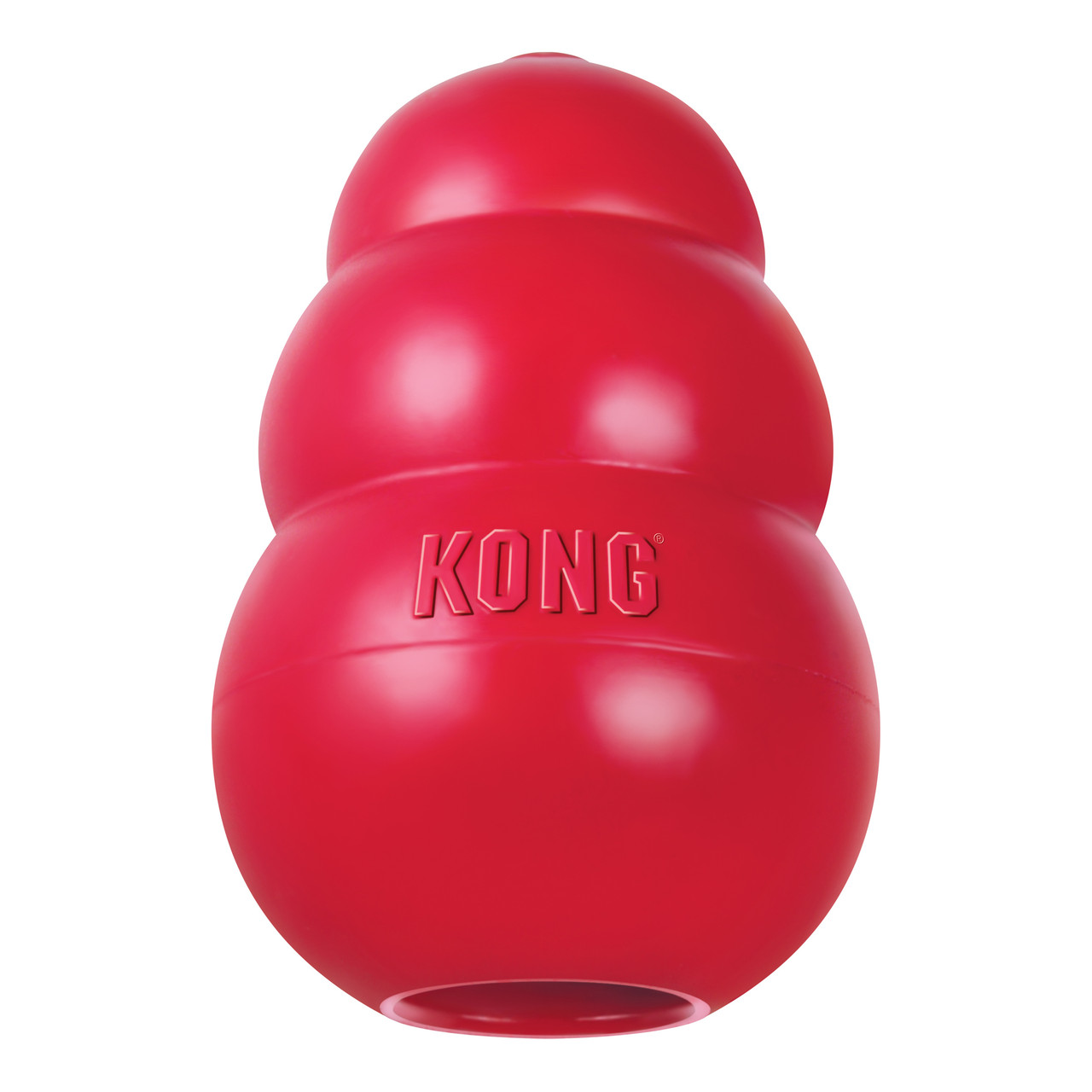
KONG Classic Dog Toy
Best For: Keeping a dog occupied through the whole meal
Material: Natural rubber
Capacity: Holds treats, kibble, or wet food
What We Like
- Stuff with plain turkey and pumpkin, then freeze for a long-lasting meal companion
- The original vet-recommended food toy
- Dishwasher safe
- Sizes for every breed
What We Don't Like
- Not ideal for power chewers without sizing up
- Can roll under furniture
- Some dogs need an introduction to stuffed toys
The Thanksgiving version of a stuffed KONG: plain cooked turkey bits mixed with plain pumpkin puree, packed and frozen the night before. It gives the dog twenty minutes of work and a legitimate taste of the holiday — from their own bowl, while the humans eat in peace.

West Paw Zogoflex Toppl
Best For: Wet-food stuffing and freezing; calmer dogs and cats
Material: Zogoflex — a recycled, dishwasher-safe material
Capacity: Wide opening, weighted base; sized S and L
What We Like
- Wide opening is easy to stuff and easy to lick clean
- Weighted base resists tipping better than a cone-shaped toy
- Freezer and dishwasher safe
- The small size suits cats as well as small dogs
What We Don't Like
- Not a chew toy — supervise heavy chewers
- Large size is too big for cats and toy breeds
The Toppl’s wide, bowl-like opening makes it the better choice for wet fillings — plain turkey and pumpkin layers freeze into a dinner-length project, and the small size works for cats too. A cat who is licking a frozen Toppl in the back room is not on the counter investigating the cooling turkey.

AWOOF Pet Snuffle Mat
Best For: Slowing down fast eaters and occupying scent-driven dogs
Material: Polar fleece strips on a non-slip felt base
Capacity: Hides a full meal of kibble across the folds
What We Like
- Turns the pet's regular dinner into a 15-minute foraging activity
- Excellent for dogs who eat too fast
- Machine washable
- Adjustable drawstring tightens the difficulty
What We Don't Like
- Fleece strips can shed enthusiastic chewers' interest (and threads)
- Needs floor space away from foot traffic
- Not for pets who eat fabric
For dogs whose Thanksgiving job is “stop begging,” scatter their regular kibble dinner into the snuffle mat and put it in another room. Foraging exhausts in the way a walk does — a dog working a snuffle mat has no attention left for your stuffing.
What to Do in the First 30 Minutes
If you catch your dog or cat in the act — or find the evidence after — this is the order of operations:
- Get the food away and identify what was eaten. The carcass? The gravy boat? Two ounces of dark chocolate from the pie? An estimate of amount matters as much as the item.
- Call a veterinarian or poison hotline immediately — do not wait for symptoms. ASPCA APCC (888-426-4435) and Pet Poison Helpline (855-764-7661) answer 24/7, including holidays. Some toxins have a short window in which induced vomiting still helps, and it closes fast.
- Do not induce vomiting unless a professional tells you to. Hydrogen peroxide is sometimes used on veterinary instruction, but with caustic, fatty, or splintering ingestions it can make things dramatically worse.
- Save the evidence. The wrapper, the recipe card, the leftover pie — the label is what the hotline will ask about first.
- Watch for the delayed signs. Pancreatitis arrives in 12–72 hours (vomiting, hunched posture, pain when the belly is touched); allium anemia takes days (lethargy, pale gums, dark urine); obstruction from bones or a corn cob can take longer still. A dog who seems fine on Thursday night is not in the clear until Sunday.
FAQ
Frequently Asked Questions
Can dogs have turkey at Thanksgiving?
Yes — plain, skinless, fully cooked turkey breast in small amounts is safe for most dogs. The dangers are everything that comes with it: the skin and fat trimmings (pancreatitis risk), anything seasoned with onion or garlic (toxicity), and cooked bones (obstruction and perforation). Build the dog's portion from the plain breast before seasoning happens, keep it to a few bites, and skip it entirely for dogs with a history of pancreatitis or sensitive stomachs.
My dog ate stuffing. How worried should I be?
One or two bites of stuffing rarely poison a large dog, but stuffing is a genuine onion-and-garlic delivery system and the risk is cumulative across the day's tastes. Call a vet or poison hotline with your dog's weight and an estimate of how much was eaten — they will tell you whether to monitor or come in. Then watch for lethargy, pale gums, and dark urine over the following 3–5 days, and make sure the day's remaining handouts stop.
Can cats eat pumpkin, and is pumpkin pie different?
Plain pumpkin puree is good for cats — a teaspoon is a common vet suggestion for digestive regularity. Pumpkin pie is a different product: the filling contains sugar, spices including nutmeg (toxic to pets in quantity), and potentially xylitol in sugar-free versions. A lick of pie filling is a watch-and-monitor event; eating the whole slice deserves a vet call. Buy plain canned pumpkin only — the cans look nearly identical to pie filling.
Are Thanksgiving leftovers okay for dogs?
Plain leftovers are fine; dressed leftovers are the problem. Safe candidates: skinless plain turkey, plain sweet potato, plain green beans, plain pumpkin. Skip anything with gravy, butter, onion, garlic, nutmeg, or sugar substitutes — which rules out most casseroles, stuffing, mashed potatoes, and desserts. A good rule: if you would not eat it plain, the dog should not eat it dressed.
What are the first signs my pet is getting sick after Thanksgiving dinner?
Vomiting, diarrhea, and a hunched or painful abdomen point to pancreatitis or GI upset from fat — these typically appear 12 to 72 hours after the meal. Weakness, tremors, disorientation, or an elevated heart rate after dessert can signal nutmeg or xylitol. Lethargy, pale gums, and dark urine in the days after suggest onion or garlic anemia. Any of these after a Thanksgiving meal is a vet call, not a wait-and-see — and calling the ASPCA APCC (888-426-4435) or Pet Poison Helpline (855-764-7661) early is always the right first move.
The Bottom Line
Thanksgiving is manageable — more so than Halloween, because every danger here passes through human hands first. The carcass goes straight to an outside bin. The stuffing and gravy stay on human plates. The pet plate is built from plain turkey, pumpkin, and green beans before the cooking happens. Guests get told once, clearly, at the door. And the pets get a frozen stuffed toy at dinnertime, which solves the begging problem better than any scolding.
Do those five things and the risk drops close to zero — and your emergency vet gets to spend the holiday with their own family.
If you want the other end of the holiday danger calendar, our Halloween candy toxicity guide covers the candy-bowl risks in the same plate-by-plate detail, and our care guides library covers pet-safe entertaining year-round.
A note on sources: The guidance above reflects seasonal poison-safety recommendations from the ASPCA Animal Poison Control Center and Pet Poison Helpline, and veterinary nutrition references including the Merck Veterinary Manual. Individual pets vary — when in doubt, your veterinarian, who knows your pet’s history, is the right authority.