If your older cat is losing weight, drinking from strange places, and turning up her nose at food, kidney disease is the first thing your vet will want to rule out. Chronic kidney disease (CKD) is the most common serious condition of older cats — veterinary sources, including the Cornell Feline Health Center, commonly cite it in roughly 1 in 3 cats over 15 (some studies put it higher). That is one reason we recommend annual bloodwork for every cat past about age 10 — in human terms, using our 16-5-4 cat-age conversion, a 15-year-old cat is already around 73.
The encouraging news: CKD is not a death sentence. Caught at an early stage and managed well, many cats live comfortable, happy lives for years after diagnosis. This guide covers how the feline kidney fails, the early signs owners actually notice at home, what the vet will do, and the day-to-day management that matters most — including the one situation that never waits: a cat who has stopped eating.
This article is educational, not a substitute for veterinary care. Kidney values are interpretable only alongside a urinalysis and an exam. If your cat is not eating, is vomiting repeatedly, or seems weak, call a vet today — don’t wait to finish reading.
What Kidney Disease Actually Does to a Cat
The kidneys filter waste from the blood, concentrate urine so the body keeps its water, regulate potassium and phosphorus, help control blood pressure, and signal the bone marrow to make red blood cells. CKD means kidney tissue has been slowly, irreversibly lost until there aren’t enough working nephrons left to do these jobs.
Two details explain almost everything you’ll observe at home:
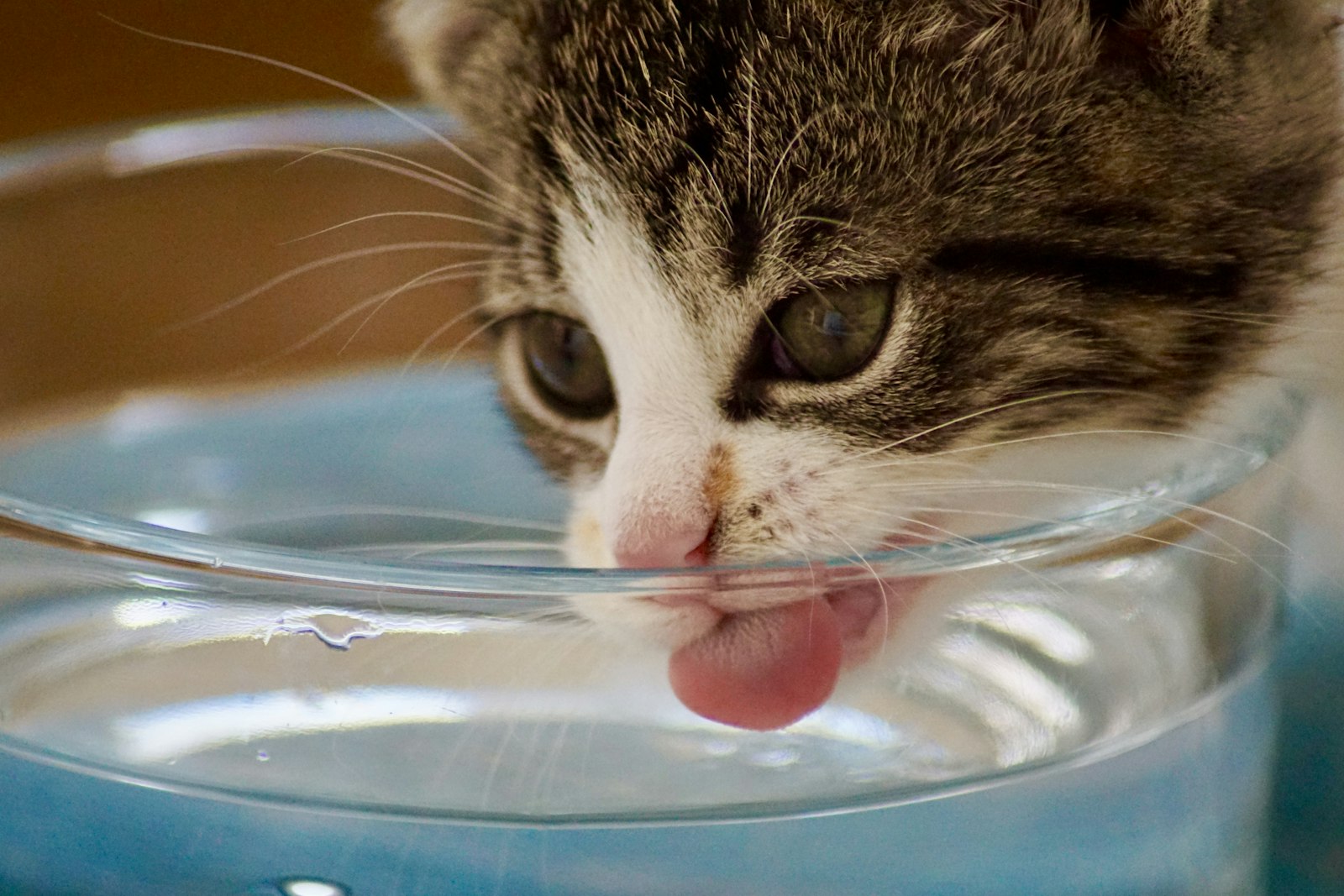
- Lost concentrating ability comes first. A healthy cat’s kidneys are so efficient that a cat on dry food may barely drink at all. As CKD develops, the kidneys can no longer concentrate urine, so the cat must drink enormously to keep up — and urinate enormously to match. That is why the classic early picture is a skinny old cat who is always at the water bowl and flooding the litter box.
- Waste products accumulate quietly. Urea and other metabolites that healthy kidneys excrete build up in the blood. This is what causes the vague late signs — nausea, poor appetite, vomiting, dull coat, and the distinctive ammonia-like “uremic” breath.
CKD is chronic and progressive, but it usually progresses slowly, in months-to-years steps rather than days. That slowness is your opportunity: the earlier it is caught, the more of that runway you have to work with.
Early Signs of Kidney Disease in Cats (What Owners Notice First)
Cats are masters at hiding illness, and CKD’s earliest signs are easy to dismiss as “just getting old.” The pattern below — several mild changes appearing together over months — is what should prompt a vet visit and a senior blood panel:
| Sign | What it looks like at home | Why it happens |
|---|---|---|
| Drinking and urinating more | Emptying the water bowl, “clumping” litter into huge wet clumps, accidents outside the box | Kidneys can no longer concentrate urine |
| Weight loss | Spine and hips feel sharper; a formerly picky-over-nothing cat gets bony | Muscle loss and poor appetite from accumulating waste |
| Reduced appetite, pickiness | Eats a few bites, walks away; prefers strong-smelling food | Nausea from uremic toxins |
| Dull, unkempt coat | Greasy fur, less grooming | Nausea, dehydration, feeling unwell |
| Vomiting or hairballs | More frequent than the cat’s lifelong baseline | Uremic irritation of the stomach |
| Lethargy, sleeping more | Skips play, hides more | Anemia and general toxicity |
| Bad breath | Ammonia- or urine-like smell | Urea broken down to ammonia in saliva |
One sign alone — say, a slightly pickier appetite in a 12-year-old — is worth mentioning at the next visit. Three or more of these together, or any of them plus weight loss, warrants a blood panel now.
Also note what is not on this list: most cats with early CKD do not look obviously sick. They adapt. Waiting for a cat to “look sick” means catching the disease one or two stages later than you could have.
The Vet Visit: Diagnosis and Staging
Diagnosis is straightforward; interpreting it well is where a good vet earns their keep.
Bloodwork checks BUN and creatinine (waste levels), the newer SDMA marker (which flags kidney loss earlier than creatinine alone), phosphorus, potassium, and red blood cell count. Urinalysis checks how concentrated the urine is — in CKD it is typically dilute — and looks for protein loss. Blood pressure is measured because kidney disease and hypertension feed each other, and hypertension itself can damage the eyes and brain. Thyroid testing matters too, because hyperthyroidism is the other great mimic of the “old, thin, ravenous cat,” and the two conditions frequently overlap.
If kidney values are elevated, vets stage CKD using the IRIS system (stages 1–4), based mainly on creatinine and SDMA, with substages for blood pressure and protein in the urine. Staging is not about labeling a cat — it drives treatment:
- Stage 1 (kidneys losing function, values still normal): usually no treatment yet, but monitoring begins.
- Stage 2 (early, values mildly elevated): this is the sweet spot — dietary change and monitoring make the biggest difference. Published survival studies of IRIS-staged cats put median survival at roughly 3 years at this stage.
- Stage 3 (moderate): medication, renal diet, sometimes subcutaneous fluids at home. The same studies put median survival at around 1–2 years with treatment.
- Stage 4 (advanced): supportive care focused on quality of life; survival is usually measured in weeks to months, though some cats beat the averages considerably.
These medians come from studies, not promises — individual cats vary enormously, and treatment moves the numbers.
Treatment: What Actually Helps
There is no cure for CKD, but there is a well-established toolkit that slows progression and keeps cats comfortable. What your cat needs depends on stage, and your vet will build the plan; here is what each piece is for:
1. Water, water, water. Hydration is the single biggest day-to-day lever. Wet food is roughly 75% water versus ~10% for kibble, and many vets now recommend transitioning CKD cats to an all-wet or mostly-wet diet for exactly this reason. Multiple fresh water stations around the house — and a water fountain for cats that prefer moving water — make drinking the easiest behavior in the world. (Our best ceramic cat bowls guide covers water-friendly dishes too, and we compare the top fountains in our best cat water fountains of 2026 review — the two below are our hydration-first picks from that testing.)
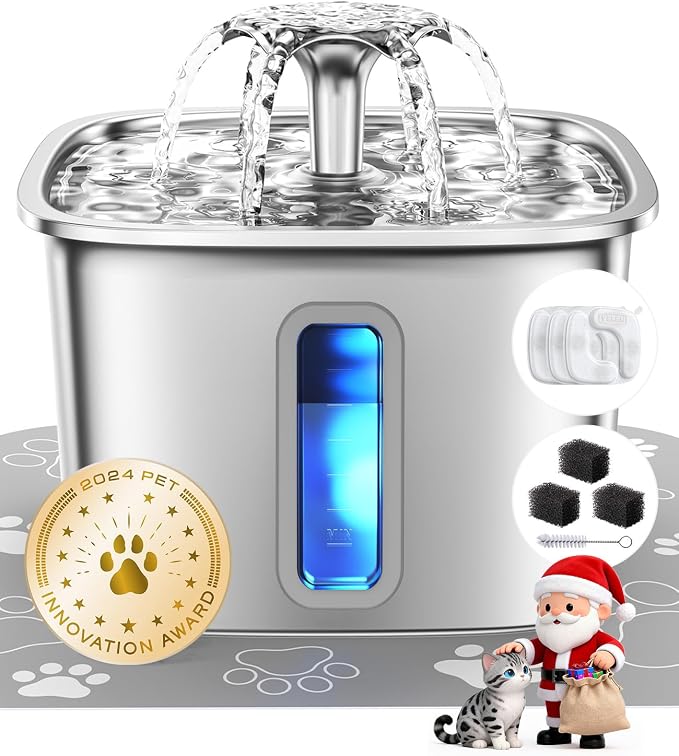 Our Fountain Pick
Veken Innovation Award Winner Stainless Steel Cat Water Fountain (C1, 108oz)
Best For: Multi-cat homes, owners who want low-maintenance hygiene
Material: 304 stainless steel
Capacity: 108 oz / 3.2 L
What We Like
- Full stainless steel resists biofilm buildup
- Large 3.2L capacity means fewer refills
- Quiet enough for a bedroom
- Visible water level with LED window
- Cheap, easy-to-find replacement filters
What We Don't Like
- Higher upfront cost than plastic fountains
- Filters are an ongoing cost
- Needs the usual 1–2 week deep clean
The Veken C1 Stainless is the fountain we recommend most often for a household managing a chronic condition, because hygiene is the whole game with a CKD cat. Stainless steel does not scratch the way plastic does, and unscratched surfaces resist the biofilm that makes neglected fountains unappealing — the difference between a water station your cat uses daily and one she quietly abandons.
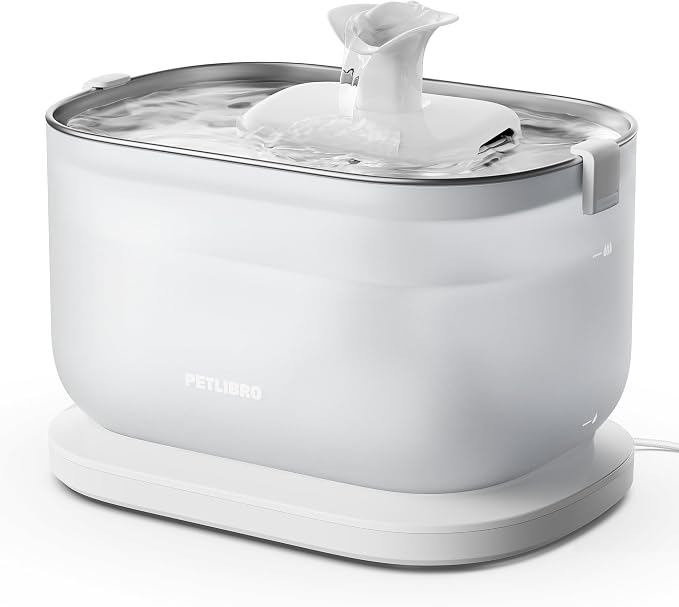 Easiest to Clean
PETLIBRO Cat Water Fountain with Wireless Pump (Stainless Tray, 74oz)
Best For: Owners who want the easiest possible cleaning routine
Material: Stainless tray + plastic body
Capacity: 74 oz / 2.2 L
What We Like
- Wireless pump lifts out for effortless cleaning
- Stainless drinking surface
- Very quiet operation
- Auto shut-off protects the pump when low
- Budget-friendly
What We Don't Like
- Plastic tank body, not full stainless
- Brand-specific replacement filters
- Shorter track record than Veken
The PETLIBRO’s wireless pump removes the single most annoying part of fountain ownership — fishing a corded pump out of the tank and scrubbing around its cable port. For owners juggling a medication schedule, subcutaneous fluids, and prescription diets on top of everything else, a fountain that takes ninety seconds to clean is a fountain that actually gets cleaned. And cleaned is what matters.
2. Renal (kidney-support) diet. Prescription renal diets restrict phosphorus and use specific protein levels and added omega-3s. This is the one intervention with the strongest evidence behind it — studies show renal diets meaningfully extend survival in stages 2–3. These foods require a prescription, and they only work if the cat eats them — which leads to the next point.
3. Treating nausea and appetite. Poor appetite in CKD is usually nausea, not pickiness. Anti-nausea medication, appetite stimulants, and sometimes B12 (cobalamin) supplementation turn “barely eating” back into “eating normally” for many cats.
4. Phosphorus control. High phosphorus speeds kidney damage. If diet alone doesn’t bring levels down, vets add phosphate binders — powders or gels mixed into food.
5. Potassium, blood pressure, anemia. Low potassium causes weakness; supplementing fixes it. Hypertension is managed with medication. Anemia from reduced erythropoietin production can be treated with injections that stimulate red blood cell production in more advanced cases.
6. Subcutaneous (sub-Q) fluids at home. For moderate-to-advanced CKD, many owners learn to give warmed fluids under the skin — a 5–10 minute routine, usually every few days — which flushes toxins and is one of the most quality-of-life-improving interventions in feline medicine. It looks intimidating; most owners report it quickly becomes unremarkable.
When a CKD Cat Stops Eating: This Is the Emergency
Here is the rule every cat owner should know, and it matters double for a cat with kidney disease: a cat that has eaten nothing for 24 hours needs a vet the same day.
Cats are not dogs. When a cat stops eating — from nausea, a flare of disease, or anything else — the body starts mobilizing fat to the liver for energy, and the feline liver is easily overwhelmed. Fat accumulates inside liver cells, the liver starts failing, and the cat, now nauseous because of the liver, eats even less. This condition, hepatic lipidosis (fatty liver), can be fatal on its own, and it is far more likely in overweight cats. What started as “she’s off her food” becomes a feeding-tube hospitalization within a week or two.
For a CKD cat specifically, a sudden appetite crash can also signal:
- a crash (acute worsening — often triggered by dehydration, a urinary issue, or an infection) that IV fluids can reverse,
- a urinary blockage (if your cat is also straining or producing no urine, this is a same-hour emergency — read our guide to straining and blockage),
- or simply uncontrolled nausea that a changed medication plan can fix.
None of these are things to watch and wait on. The paradox of CKD management is that a chronic, months-long disease still produces genuine same-day emergencies — appetite is the tripwire.
Day-to-Day Life With a CKD Cat
Owners of diagnosed cats consistently describe the same routine, and it is far more ordinary than the diagnosis sounds:
- Feed the renal diet, but prioritize eating. A cat that eats the “wrong” food beats a cat that eats nothing. Any diet change is gradual, over 1–2 weeks.
- Weigh weekly. A kitchen scale with the cat in a carrier, or a baby scale, catches decline weeks before you can feel it. A consistent downward trend = call the vet.
- Track water and litter. Bigger clumps, a drier water fountain — or suddenly smaller clumps and a full fountain — both tell you something.
- Keep up dental care and stress control. Dental infections seed the bloodstream and stress spikes blood pressure; both tax kidneys.
- Recheck on schedule. Stage 2 cats typically recheck bloodwork every 3–6 months, stage 3 every 1–3 months. These visits are how treatment stays matched to the disease.
And keep perspective on the calendar. A cat diagnosed at stage 2, managed well, often has years of sunbeams, lap time, and 4 a.m. yelling left. The goal of CKD care is not to defeat a chronic disease — it is to make the years it allows genuinely good ones. When the time does come to weigh quality of life, our guide on saying goodbye to a senior cat approaches that decision with the same honesty.
Frequently Asked Questions
Frequently Asked Questions
How long can a cat live with kidney disease?
It depends heavily on the stage at diagnosis. Cats caught at IRIS stage 2 and managed with a renal diet and monitoring have median survival times around 3 years; stage 3 is typically 1–2 years; stage 4 is usually weeks to months. These are study medians, not ceilings — some cats far outlast them, and treatment genuinely moves the numbers.
What are the first signs of kidney disease in cats?
The earliest owner-noticeable signs are drinking and urinating more than usual, slow weight loss, a dull or greasy coat from reduced grooming, and a pickier appetite than the cat's normal baseline. Individually these look like aging; several together, or any of them plus visible weight loss, justify a senior blood panel.
Is kidney disease in cats painful?
CKD itself is more nauseating than painful — the accumulating waste products cause nausea, malaise, and mouth ulcers in advanced stages. That's why appetite stimulants and anti-nausea medication make such a difference. Later-stage complications like mouth ulcers and severe weakness are uncomfortable, which is part of what quality-of-life monitoring tracks.
What should I feed a cat with kidney disease?
A prescription renal diet is the evidence-backed choice for stages 2–4 — these restrict phosphorus and adjust protein and omega-3 levels, and studies show they extend survival. They require a vet prescription. Equally important: getting enough water in, usually via wet food and multiple water stations or a fountain. If your cat refuses the renal diet, tell your vet — eating the wrong food beats eating nothing.
My old cat drinks a lot of water. Is that always kidney disease?
No — diabetes and hyperthyroidism cause identical patterns, and all three are common in senior cats. Some cats also just drink more on dry food or in hot weather. A single blood panel distinguishes between them, and it's worth doing, because all three conditions are manageable when caught early.
How much does it cost to treat kidney disease in cats?
Initial diagnosis (exam, bloodwork, urinalysis, blood pressure) typically runs $150–$400 depending on region. Ongoing costs are mostly food, recheck labs every few months, and medications as needed — commonly $50–$150 per month at stage 2–3. Subcutaneous fluids at home cost little once set up. Pet insurance taken out before diagnosis covers much of this; policies generally exclude pre-existing conditions.
The Bottom Line
Kidney disease is the most common serious diagnosis in senior cats, and the deck is stacked in favor of owners who pay attention early. Watch the water bowl and the litter box, feel for the spine and hips monthly, weigh your cat now and then, and blood-test every senior cat yearly — twice-yearly past 12. If the diagnosis comes, treat the nausea, feed the prescription diet, keep the water flowing, and recheck on schedule. And remember the one rule that overrides everything else in this article: in a cat, not eating for 24 hours is a same-day vet visit — no exceptions, especially with kidney disease.
Related reading: Why some cats live to 20 (and how to help yours) · Cat straining to pee: blockage explained · Adopting a senior cat: what to expect · Senior cat pain signs checklist