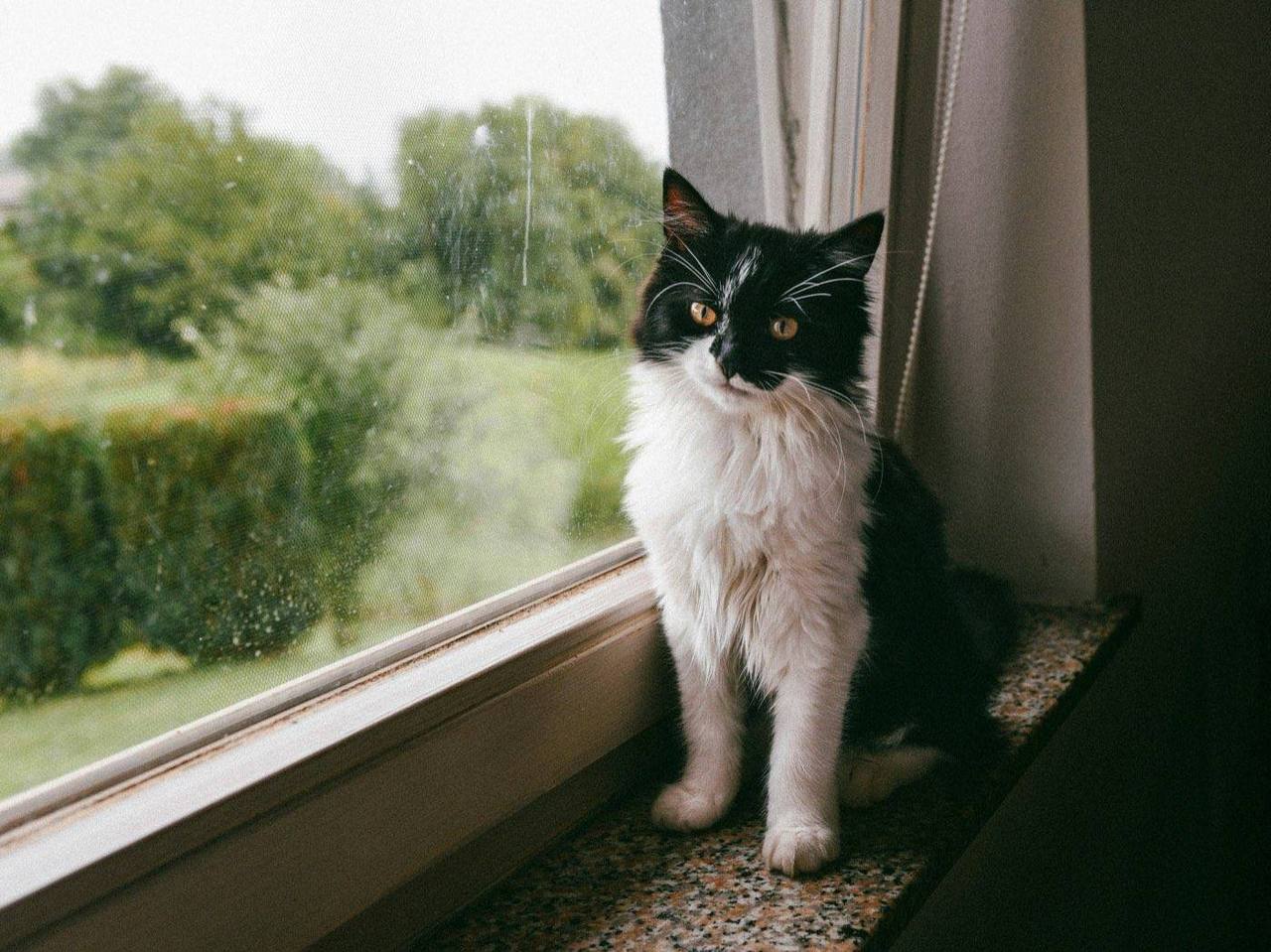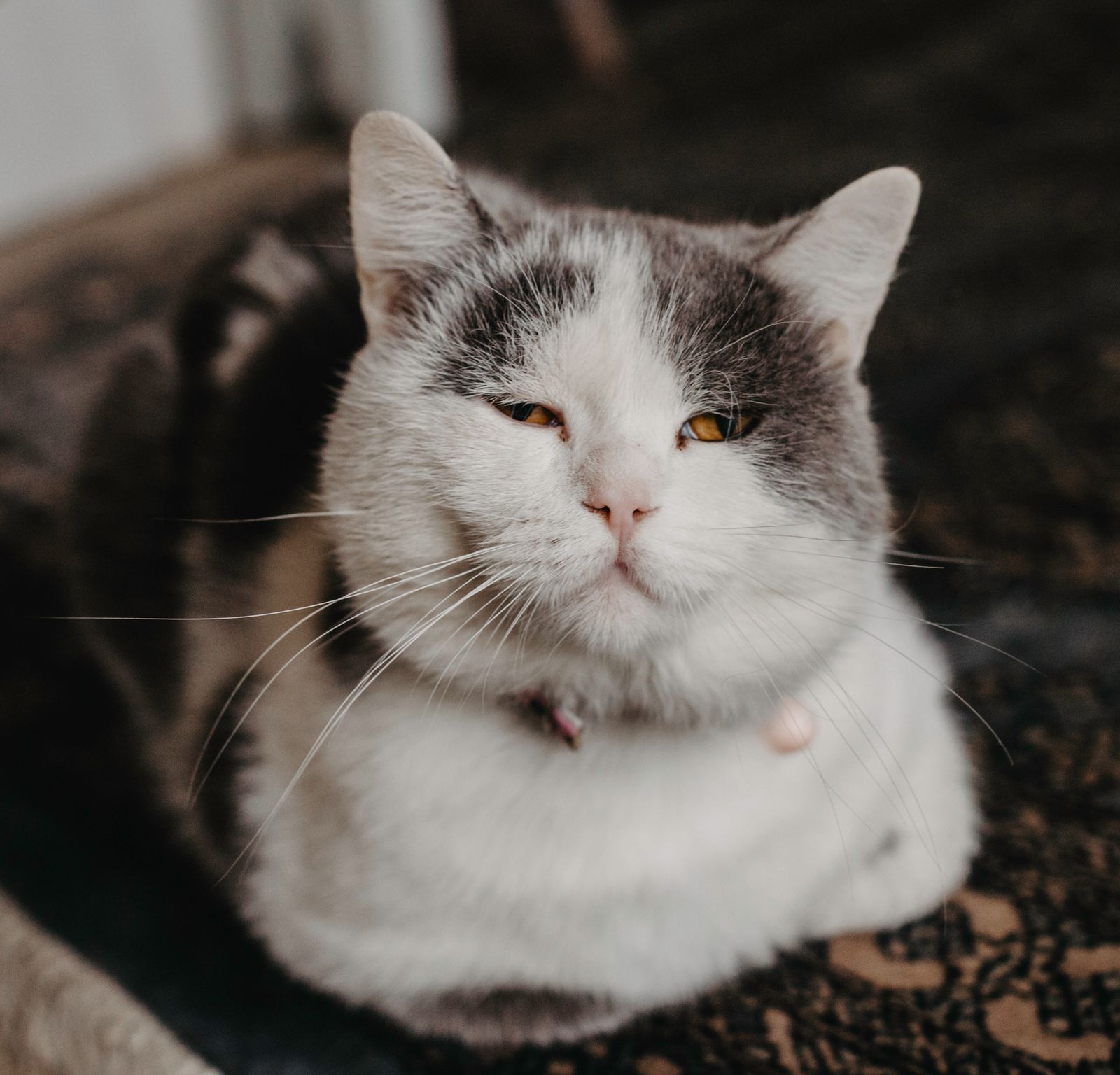
Every cat owner eventually meets one: the 20-year-old cat, still jumping onto the counter, still yelling at the can opener, while neighbors’ cats have come and gone a decade earlier. It is tempting to file this under luck or “good genes,” and genetics does deal a hand. But spend any time around genuinely old cats and a pattern emerges that is neither luck nor mystery — the cats that get there share a short list of things in common, and almost none of them are exotic.
The averages themselves are well documented elsewhere: indoor cats live 12–18 years on average, and the full indoor-versus-outdoor picture — along with the age-to-human-years conversion — is in our cat years to human years explainer and the cat age calculator. This article is about the other question, the more useful one: what separates the cats that reach the far end of the range from the ones that don’t.
Because it turns out that is answerable. Not perfectly — a Maine Coon with an unlucky heart will not out-stubborn its genetics. But the majority of the gap between an average lifespan and an exceptional one is made of five factors, all of them mundane, all of them in your hands.
What Cats That Reach 20 Have in Common
Vets who work with geriatric cats describe the same profile over and over. Before the factor-by-factor breakdown, here is the pattern in one table:
| Trait | The 20-year-old cat | The 13-year-old cat |
|---|---|---|
| Body weight | Lean their whole life; ribs felt easily | Overweight from middle age on |
| Water intake | High — wet food, fountains, multiple stations | Mostly kibble, one bowl |
| Teeth | Professional cleanings + some home brushing | Dental disease unchecked for years |
| Vet rhythm | Twice-yearly exams with bloodwork after ~10 | Visits only when something is visibly wrong |
| Daily life | Hunting games, warmth, easy access to everything | Long unstimulated hours, stairs, high-entry litter boxes |
None of these are dramatic. That is the point — longevity in cats is not one heroic intervention, it is five boring ones sustained for years. Here is each one in the detail it deserves.
Factor 1: Lean for Life — The Strongest Signal
Of everything on this list, body weight has the strongest evidence behind it and the least glamour. Fat tissue is not inert storage; it is metabolically active, driving chronic inflammation and insulin resistance. Overweight cats face sharply elevated risks of the three diseases that actually shorten feline lives — diabetes, arthritis (which then reduces activity, which compounds the weight), and hepatic lipidosis.
The practical test costs nothing and takes ten seconds:
- Ribs: you should feel them with light pressure, like the back of your hand
- Waist: a visible tuck when viewed from above
- Profile: no swinging pouch when they walk
A rounded kitten belly at five months is normal; the same silhouette at five years is not. (The endless r/catquestions threads of “is this pot belly normal?” photos say you are not alone in wondering — but a vet settles it in one appointment.) The mechanism that keeps cats lean is unglamorous: measured portions at scheduled times, not a full bowl on the floor all day. Free-feeding works for perhaps one cat in ten; for the rest it is slow-motion weight gain.
Factor 2: Water — The Kidney Insurance Policy
Chronic kidney disease is the great thief of geriatric cats, affecting a large fraction of cats over 15. You cannot prevent it entirely and genetics play a role, but you can stack the deck, and hydration is the cheapest card in it.
Cats have a desert-species inheritance: a naturally low thirst drive, which is why a cat that drinks “normally” may still be chronically dry. What actually moves water intake:
- Wet food. The single biggest lever — kibble is ~10% moisture, wet food ~75%. Even one wet meal a day changes the math.
- Multiple stations. Cats often won’t walk far to drink, and some refuse still water next to their food.
- Bowls that don’t annoy them. Whisker fatigue is real — deep narrow bowls make some cats drink less. A wide, shallow ceramic bowl fixes it for a few dollars.
And never ignore the opposite signal: a senior cat that suddenly drinks more is not “finally hydrating” — increased thirst is the classic first owner-visible sign of kidney disease, diabetes, and hyperthyroidism, and it warrants bloodwork. Our guide to a cat straining to pee covers the urinary emergencies that overlap with this territory, including the ones that are same-day emergencies.
Factor 3: Teeth — The Hidden Organ Burden
Periodontal disease is present in the majority of cats over age four, and it does two kinds of damage. The visible one is pain — cats hide oral pain so well that owners routinely describe a dental extraction as “getting a new cat.” The invisible one is systemic: chronic gum inflammation seeds inflammatory burden that, over a decade, is linked to kidney and heart damage.
The home version is brushing a few times a week with cat-safe toothpaste (never human toothpaste — it is toxic to them). The baseline, if brushing never happens, is professional dental cleanings when your vet recommends them rather than when the mouth is already rotting. Between the two, the realistic minimum for longevity purposes: lift your cat’s lip once a month and look. Brown buildup, red gum lines, or a smell you notice across the room — that is a dental conversation with your vet, not a “watch it” item.
Factor 4: A Life Worth Extending — Enrichment and Comfort
Indoor life removes the traffic and the coyotes, and adds the couch. Chronic boredom shows up physically in cats: overgrooming, overeating, cystitis flare-ups. A mentally under-stimulated cat is a heavier, stiffer, less engaged cat — and the fix changes with age, where the senior version matters more, not less:
- Daily play that respects the joints. Short, low, daily beats long and acrobatic — five minutes of floor-level stalk-and-pounce with a teaser wand keeps the hunting sequence alive without billing your cat’s joints later. Learn to read their body language to tell engaged play from strain.
- Warmth. Old cats seek heat — arthritic joints ache in cool rooms, and cats run hotter than we do. A heated bed is one of the highest-impact purchases you can make for a cat over 10 (see below).
- Accessible everything. Ramps to favorite perches, food and water without stairs, a litter box with a low entry. Arthritis is dramatically underdiagnosed in older cats, and the first place it shows up at home is the litter box: hesitation at a high sill, or accidents beside it. Our senior cat adoption guide covers the full home-setup side.
Factor 5: The Vet Rhythm That Catches What Cats Hide
The most consistent finding across longevity research is not a supplement or a food — it is that cats with regular veterinary relationships live longer. Cats are champions at hiding illness; an instinct inherited from ancestors for whom showing weakness was fatal means the diseases that kill cats are nearly symptom-free to the owner until they are advanced.
The cadence that works:
- Ages 1–7: annual exam, weight tracked, dental assessed
- Ages 7–10: annual exam plus baseline bloodwork — this single panel establishes what “normal” looks like for your cat, which makes every later comparison meaningful
- Ages 10+: exams every six months, with bloodwork and blood pressure
That middle step is the one most owners skip and the one that matters most. The three big age-related feline diseases — kidney disease, hyperthyroidism, diabetes — all show up in routine bloodwork months to years before the scale or the water bowl does. A cat whose baseline exists at 7 and gets rechecked yearly is being caught, on average, years earlier than one who only sees a vet when something is wrong.
When a Senior Cat Starts Losing Weight
This section exists because it is one of the most common worries among owners of older cats, and because the answer is almost never “that’s just aging.”
Unexplained weight loss in a senior cat is a symptom, not a stage. The classic causes, in rough order of frequency:
- Chronic kidney disease — often with increased thirst and urination
- Hyperthyroidism — the misleading one: the cat eats more, often ravenously, and still loses weight, frequently with restlessness and nighttime yowling
- Diabetes — increased thirst and appetite with weight loss
- Dental disease — the cat is hungry but eating less because chewing hurts
- Intestinal disease and cancer — the less common but serious possibilities bloodwork and imaging exist to rule out
The reason to act early is that the top three are all manageable when caught, and each leaves traces in routine bloodwork months before the scale does. If your cat is over 10 and the number on the scale is drifting down while behavior seems “normal,” that is the textbook case for the twice-yearly cadence above — not a wait-and-see. And when the conversation eventually turns from managing to comfort, our guide on when to say goodbye to a senior cat handles that decision with the care it deserves.
Gear That Earns Its Place in a Long-Lived Cat’s Routine
Most senior-cat products are solutions looking for a problem. These three address things old cats genuinely struggle with.
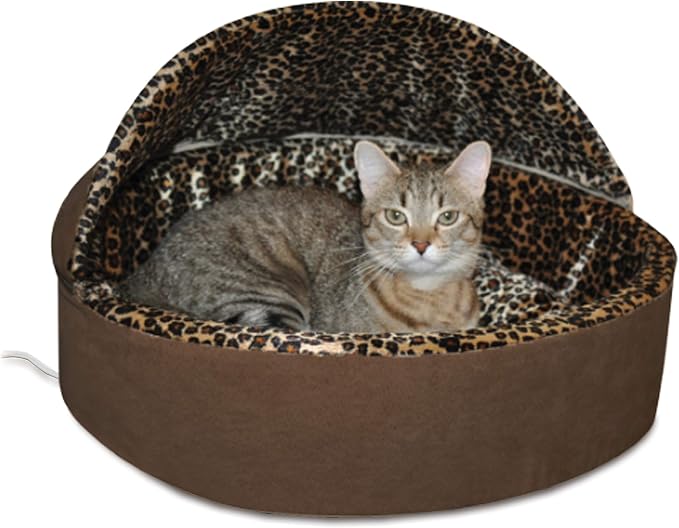
K&H Thermo-Kitty Bed Deluxe Heated Cat Bed
Best For: Senior and arthritic cats that seek warmth
Material: Soft plush with removable, washable cover
Capacity: Suitable for cats up to ~20 lbs
What We Like
- Warms only when in use (thermally controlled, safe design)
- Removable, machine-washable cover
- Bolstered rim supports the head and neck
- Very low power draw
What We Don't Like
- Cats that avoid covered spaces may prefer the open version
- Cord needs positioning out of chew range
Older cats spend hours seeking warmth — radiator tops, laptops, laundry fresh from the dryer. A heated bed gives them a safe, consistent heat source at body-friendly temperature, which is exactly what stiff arthritic joints ask for.
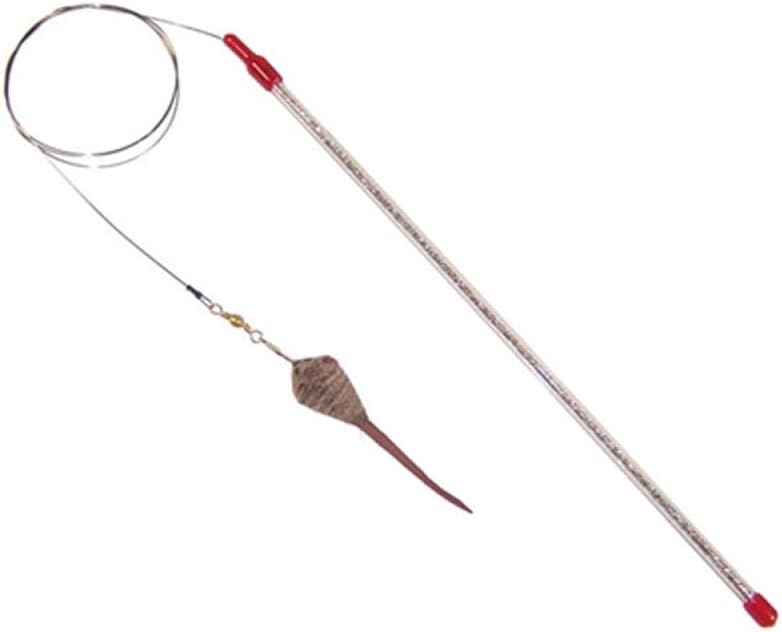
GoCat Cat Catcher Teaser Wand with Mouse
Best For: Low-impact daily play for cats with stiff joints
Material: Carbon fiber wand, genuine fur mouse
Capacity: Approx. 22 in reach
What We Like
- Light enough to play slow and low to the ground
- Triggers real prey-drive sequences
- Replaceable mice available
- Durable for daily use
What We Don't Like
- Fur may not suit every owner
- Wand tip can fray after heavy biting
The senior-cat play pattern is short, low, and daily — this wand is light enough to drag along the floor at elderly-cat speed, which is the whole point.
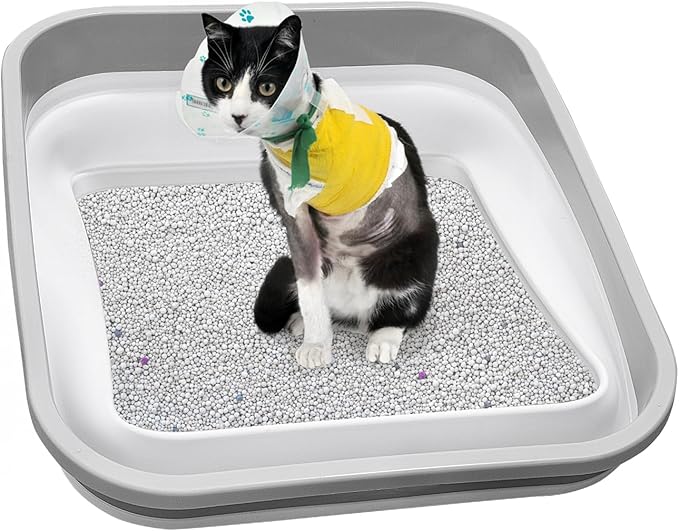
Maohegou Senior Cat Litter Box (Low Entry)
Best For: Cats with arthritis or reduced mobility
Material: PP plastic with high walls and low front entry
Capacity: Extra-large interior; suits cats 15 lbs+
What We Like
- Low front entry with tall back and side walls
- High walls contain kick-back litter
- Smooth surfaces, easy to sanitize
- Good for post-surgery recovery too
What We Don't Like
- Larger footprint than a standard box
- Enclosed feel may not suit every cat
If arthritis is the underdiagnosed disease of old cats, the litter box is where it announces itself. A low-entry box removes the obstacle; the tall walls keep the mess in.
FAQ
Frequently Asked Questions
What do cats usually die from at the end of a long life?
In senior cats the leading causes are chronic kidney disease, cancer, and complications of hyperthyroidism or diabetes — which is exactly why the bloodwork cadence in this article targets those conditions. Trauma, the leading cause in young outdoor cats, largely disappears as a risk with indoor life.
Is it mostly genetics? My cat's parents died young.
Genetics matter — breed-linked heart disease is real, and some family lines run short. But the controllable factors here operate independently of genetics: a lean weight protects kidneys and joints regardless of lineage, and bloodwork catches disease whether or not it runs in the family. Think of genetics as the hand and these five factors as how you play it.
Do any supplements or diets actually extend a cat's life?
No supplement has been shown to extend feline lifespan — be skeptical of anything claiming otherwise. What has evidence behind it is keeping calories controlled, feeding wet food for hydration, and prescription kidney diets after a kidney diagnosis (they are proven to extend survival time in diagnosed cats). The boring interventions win.
My cat is 12 and has never had bloodwork. Is it too late to start?
No — 12 is precisely when baseline bloodwork is most valuable, because it gives your vet a reference point right as the risk curve steepens. Ask for a senior panel: complete blood count, chemistry, thyroid, and blood pressure. If it is clean, you have peace of mind and a baseline; if it is not, you have caught something while it was still manageable.
How much does indoor-only living actually matter for lifespan?
More than any other single choice — indoor cats average 12–18 years while free-roaming cats average a fraction of that, due to traffic, fights, disease, and untreated injuries. The full comparison, including the middle-ground options like catios and harness training, is covered in our cat years to human years guide.
The Bottom Line
Cats that live to 20 are not lucky and rarely magical. Read their histories and the same five sentences appear: they stayed lean, they drank well, their teeth were tended, they had a life that engaged them, and a vet saw their blood before anything went wrong. None of it is expensive, and none of it requires starting young — the highest-impact change for a 10-year-old cat is simply getting baseline bloodwork now, this month.
If you want to know exactly where your cat stands in human terms first, the cat age calculator converts their birthday, and the care guides library takes over from there.
A note on sources: The factors discussed here reflect guidance from veterinary bodies including the Cornell Feline Health Center and the AAHA/AAFP 2021 feline life stage guidelines. Individual cats vary widely; your veterinarian, who knows your cat’s history and bloodwork, is the right authority on your cat’s prospects.